
Last updated November 24, 2026
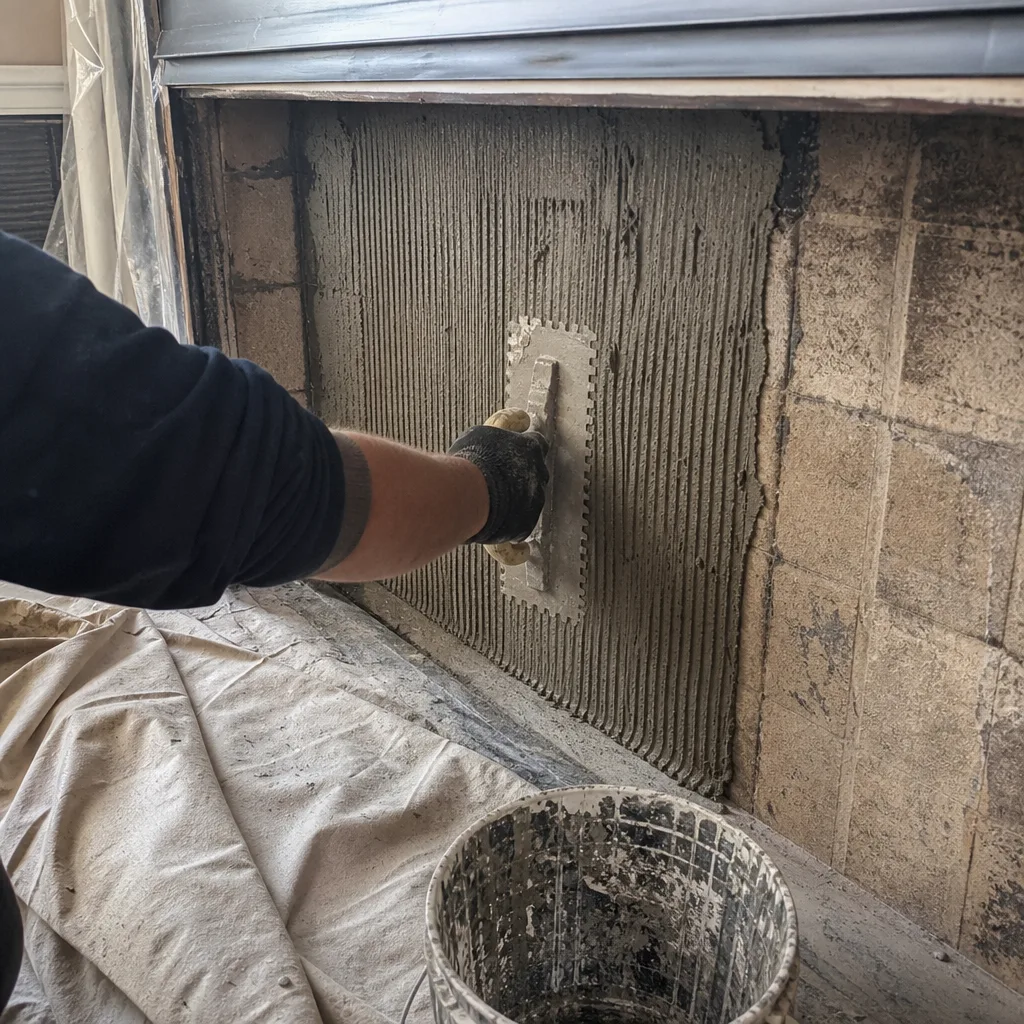
 Sweep & inspection
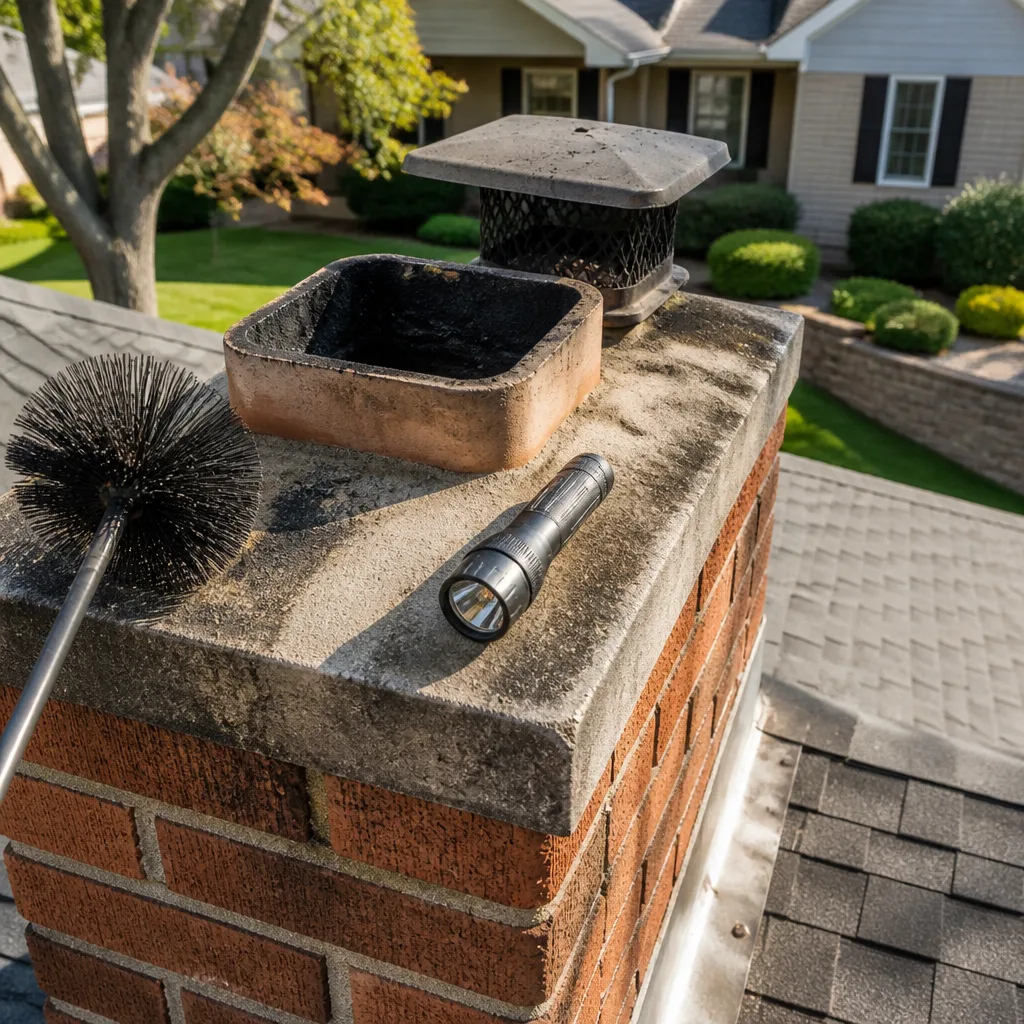
 Caps & crowns
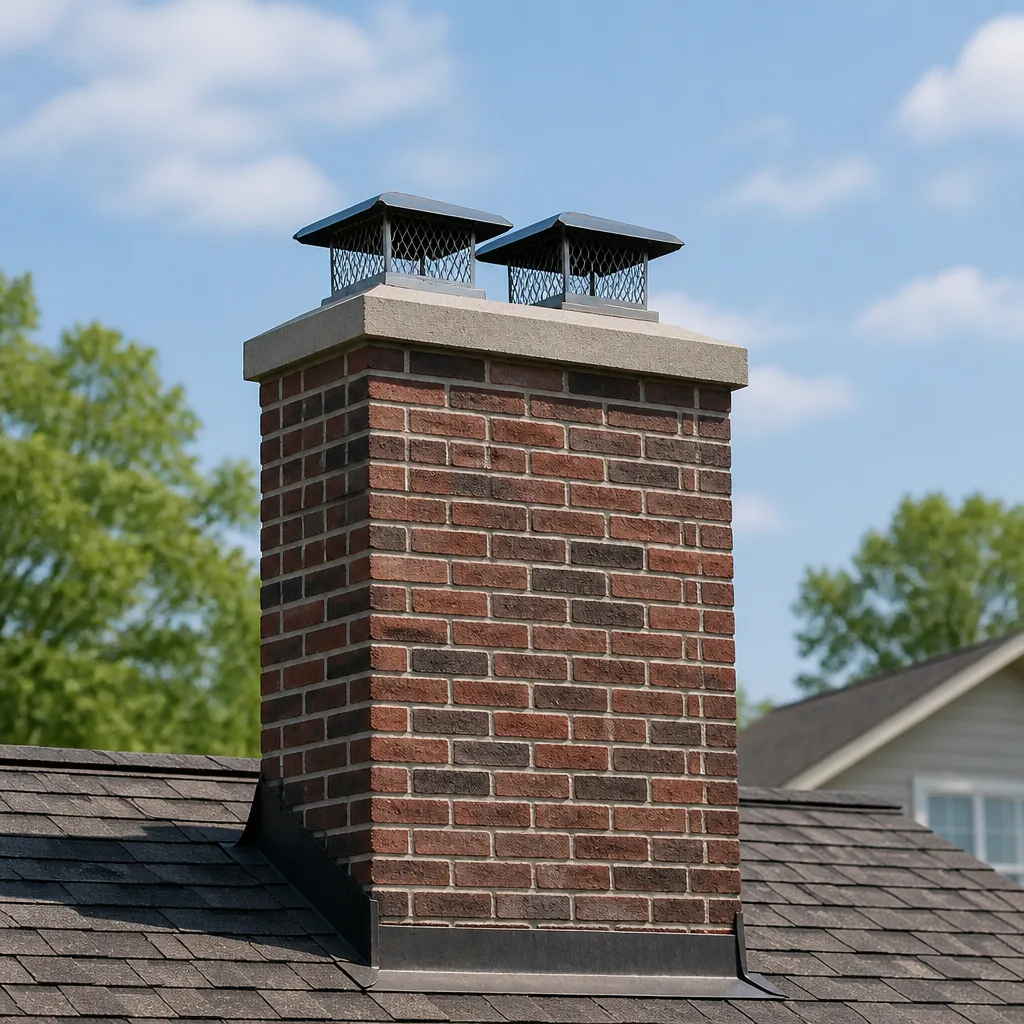
 Flue relining
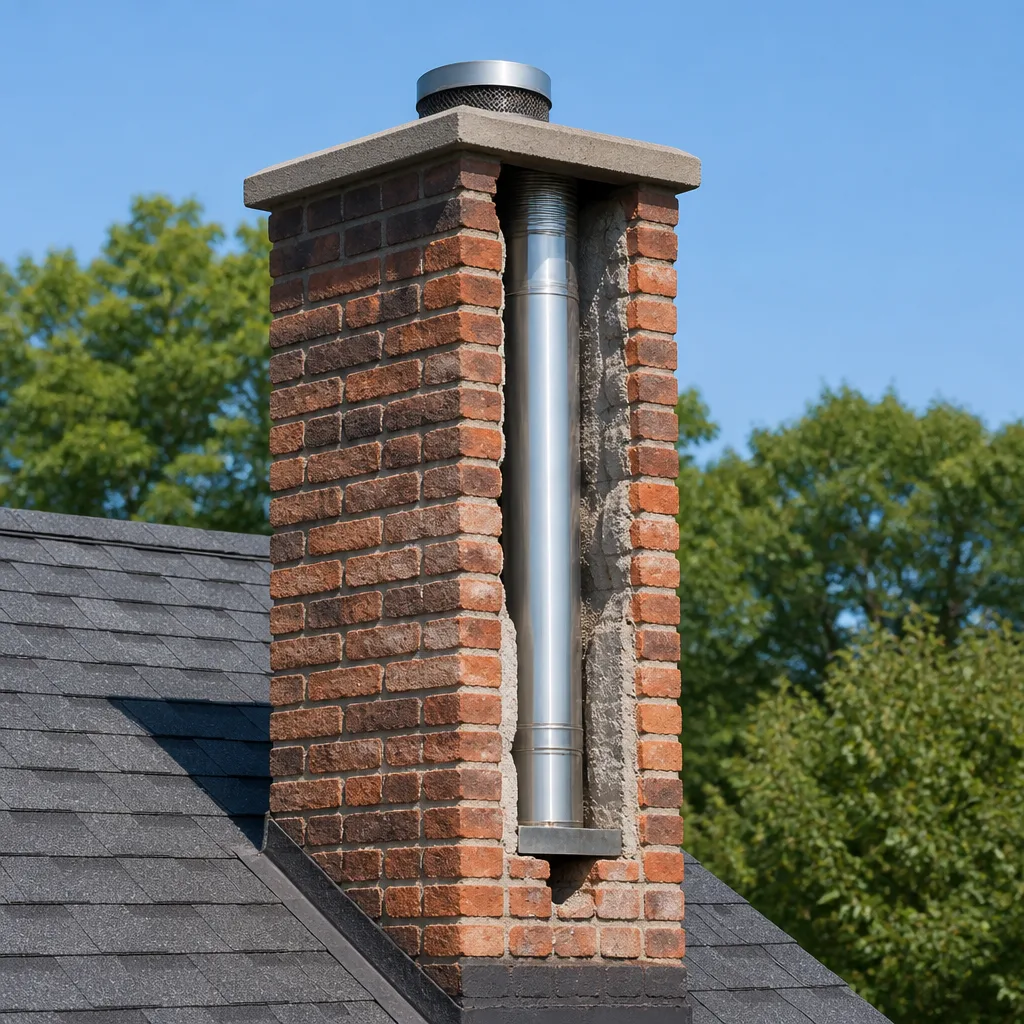
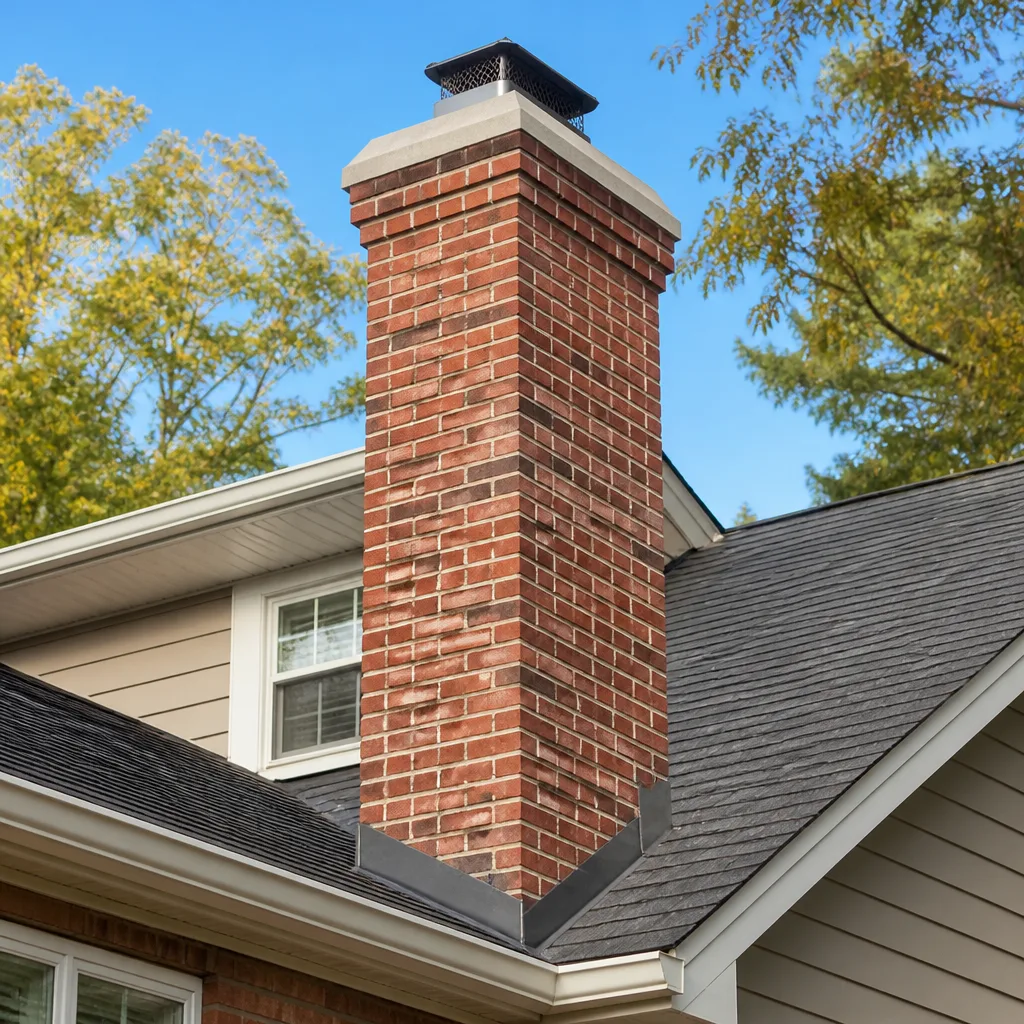 Masonry repair
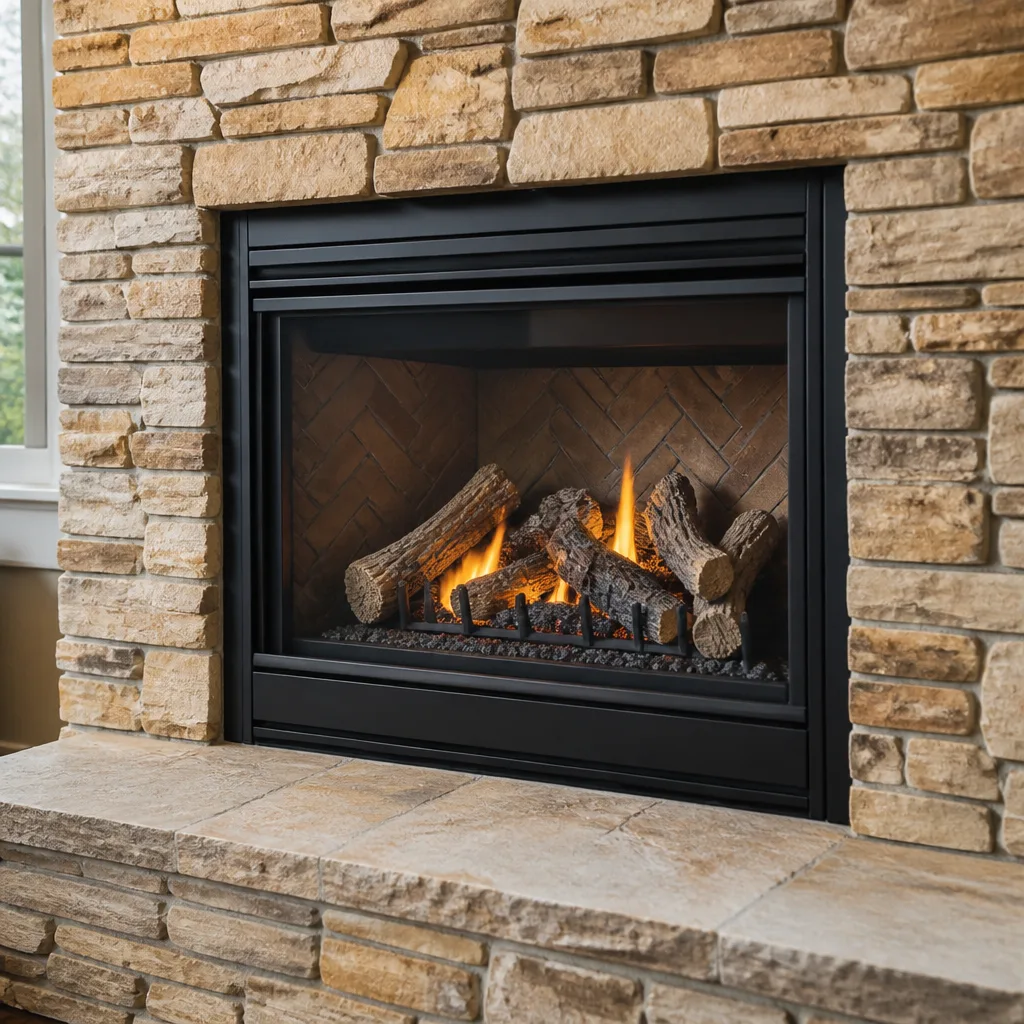 Gas fireplace service
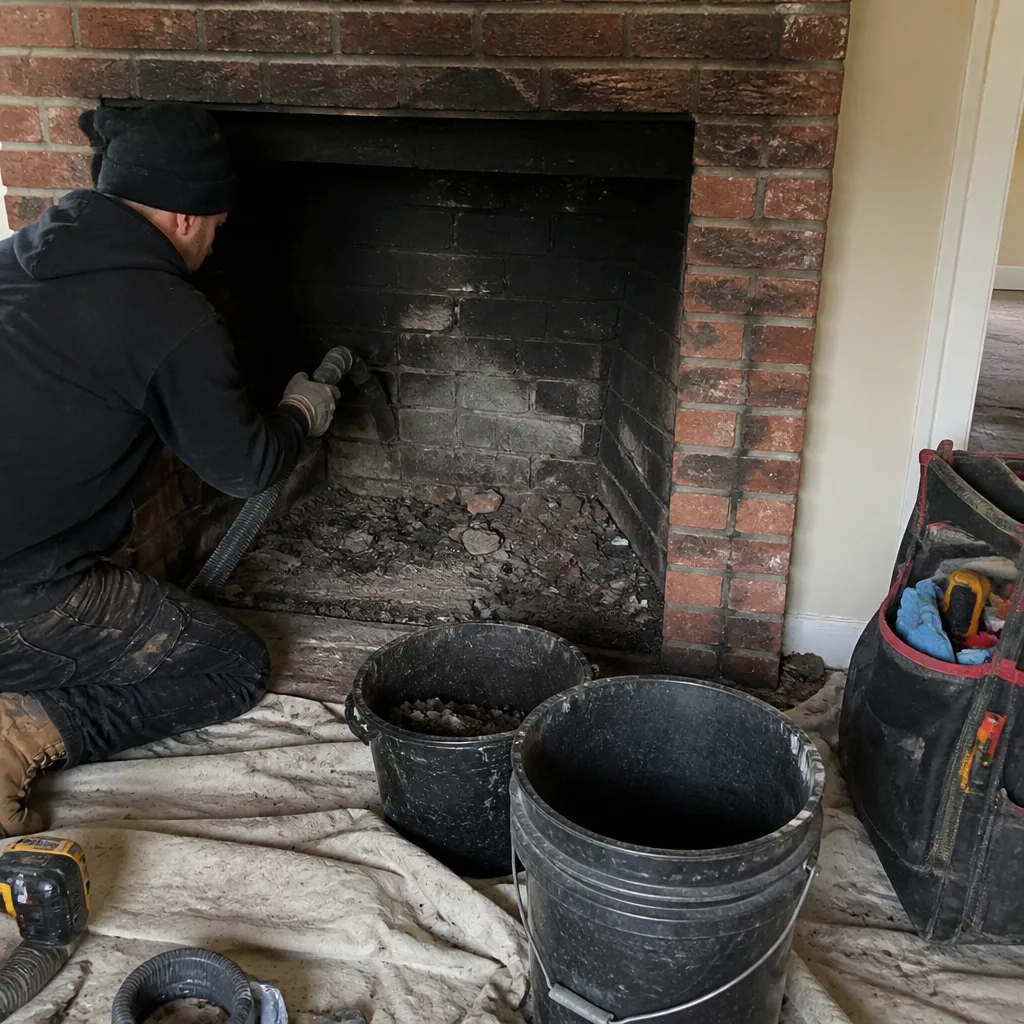
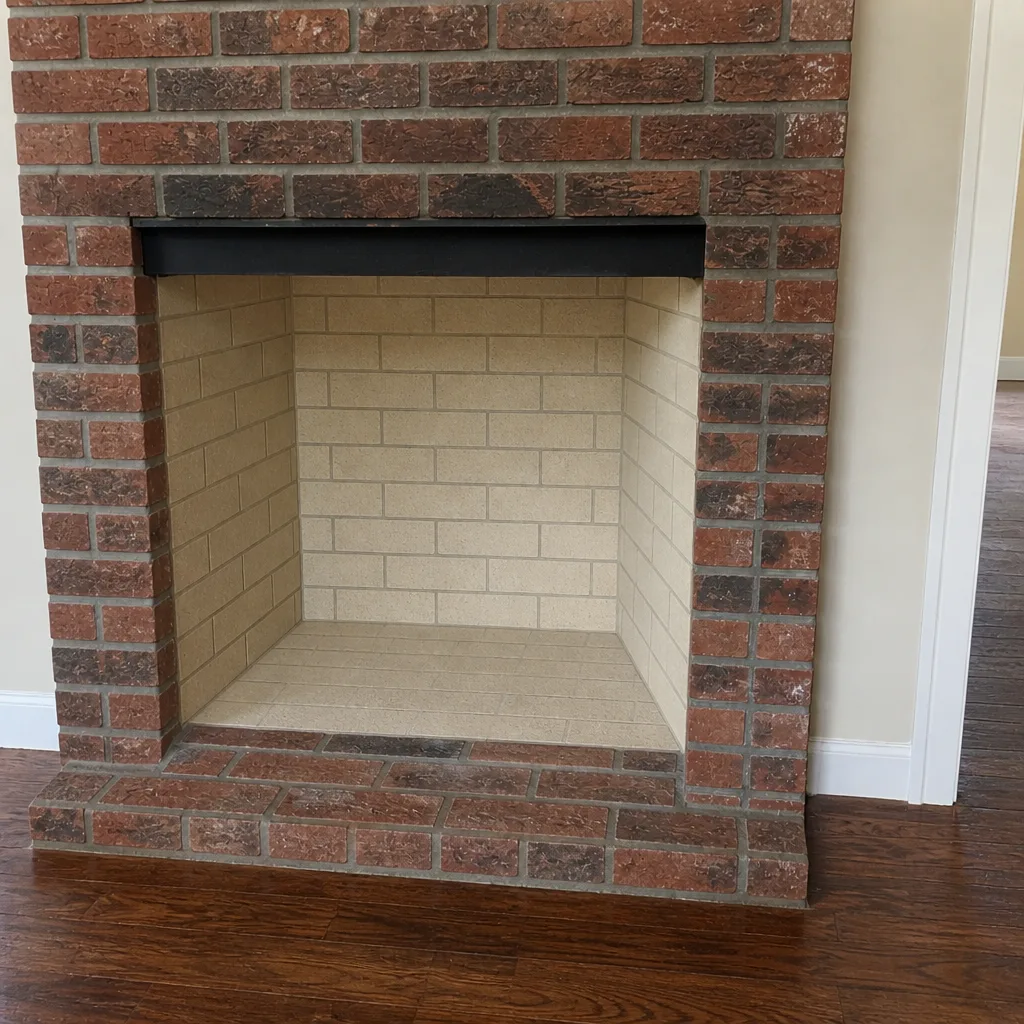
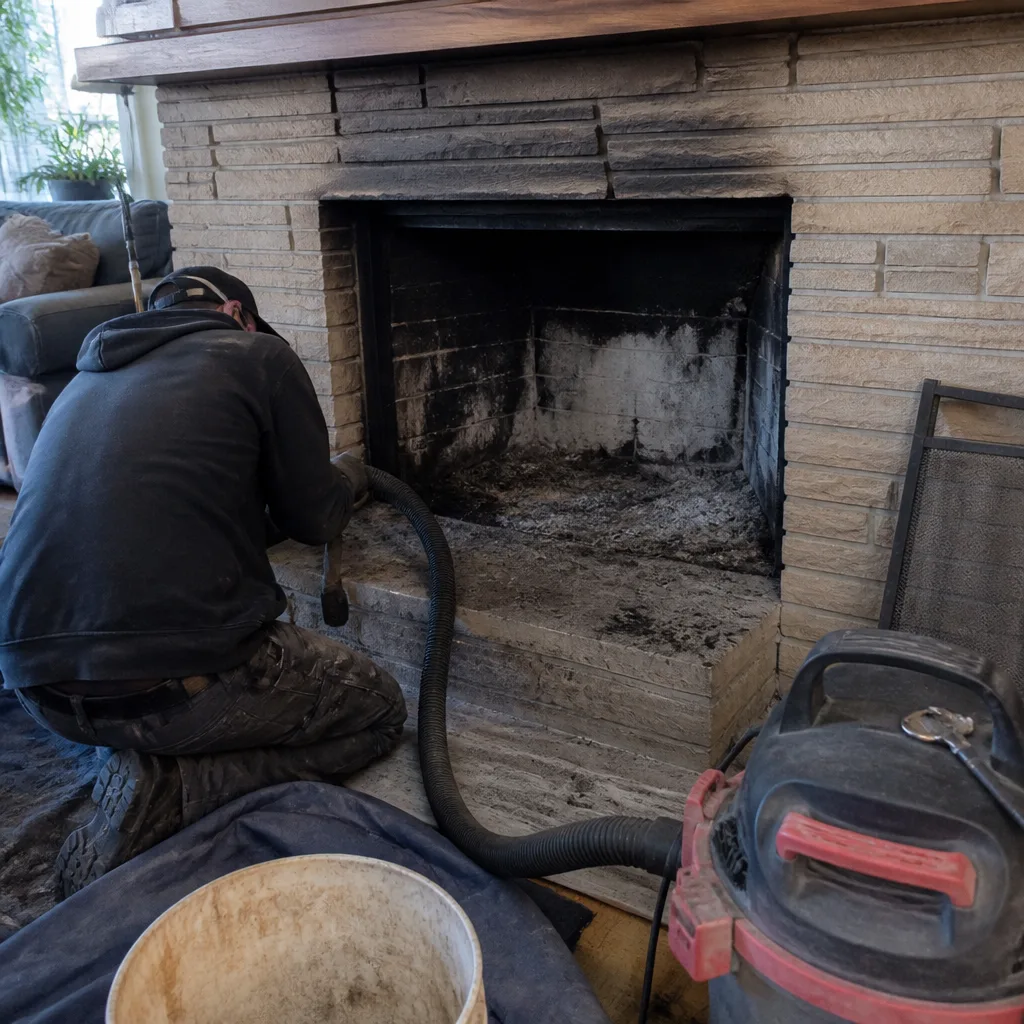
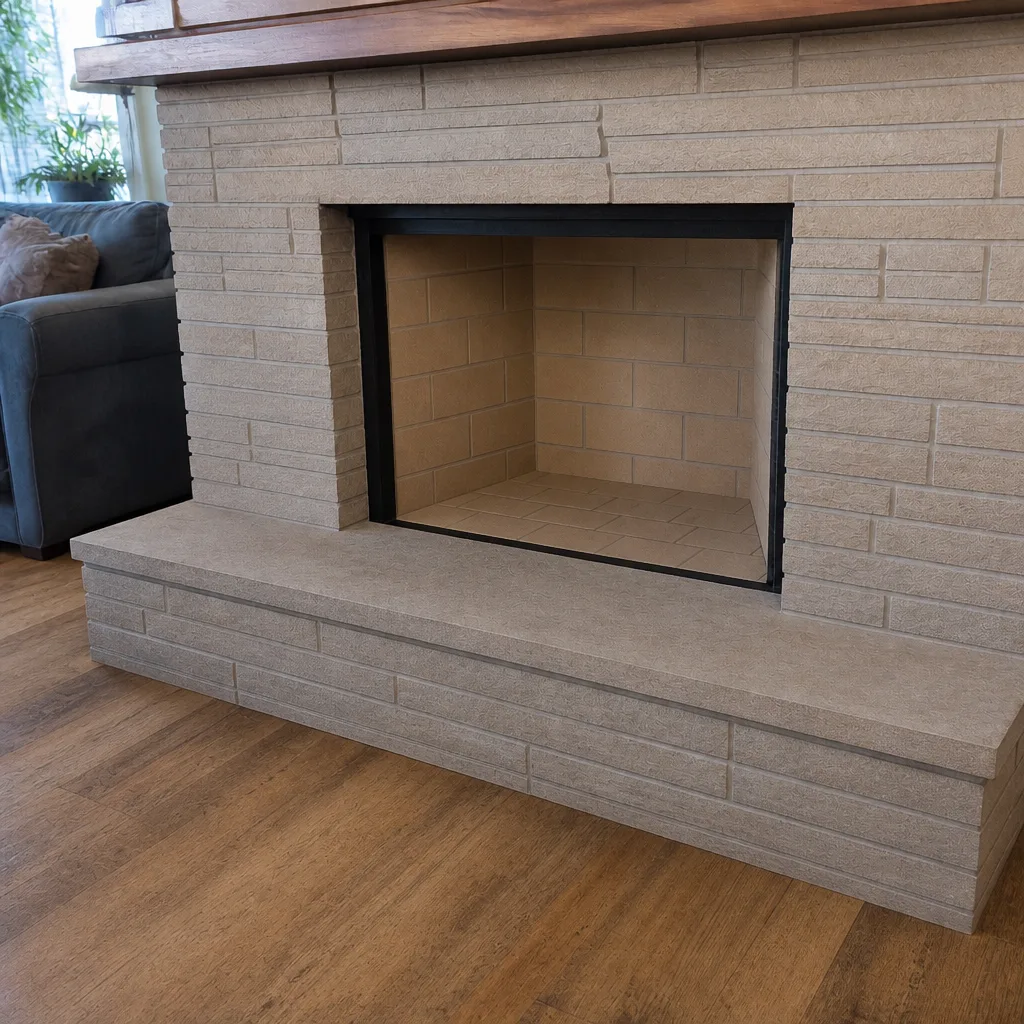
Level 1 sweep and inspection to the NFPA 211 annual standard - flue, crown, cap, and flashing checked and photographed
Chimney sweep logs do not sweep chimneys. They loosen some creosote - which then falls where a brush and vacuum still have to collect it.
Seasonal Chimney Cleaning Care for Tacoma: Year-Round Homeowner’s Guide
Most homeowners in Tacoma think about their chimney twice: once when the first cold snap hits in October, and once when they smell smoke in the living room. That schedule is backwards. The worst time to find out your crown is cracked or your flue has been quietly soaking up winter moisture is the same week every sweep in the city is booked solid and the rain has already settled in for the season. The homeowners who avoid that scramble aren’t luckier than you. They simply moved their chimney appointment to spring. This guide walks through how a Tacoma chimney really ages over twelve months, which windows matter most, and what to check on your own between professional visits.
Quick Answer
Chimney care in Tacoma works best on a two-visit calendar: a sweep and inspection in April or May, right after the burn season ends, and a lighter fall check before the rains arrive. Tacoma’s cool, wet winters and mostly mild summers make moisture the biggest threat to a chimney here, not cold. Spring is when you catch water damage early and summer is when repairs can actually cure and seal.
Styles & brands we work with
- Sweep & inspection
- Caps & crowns
- Flue relining
- Masonry repair
- Gas fireplace service
Table of Contents
- Why the Spring Sweep Matters More Than the Fall One in Tacoma
- What a Wet Tacoma Winter Does to Your Chimney
- Summer: The Only Real Window for Exterior Repairs
- Fall Prep for Wood-Burning Fireplaces
- Fall Prep for Gas Inserts: A Different Set of Failure Points
- How Tacoma’s Climate Creates Its Own Freeze-Thaw Pattern
- If Your Chimney Has Sat Unused for 18 Months or More
- Common Mistakes to Avoid
- When to Call a Professional
- Frequently Asked Questions
Why the Spring Sweep Matters More Than the Fall One in Tacoma
A chimney sweep in April or May does something a fall sweep can’t: it inspects the system after it has been through an entire wet winter of use and weather. That timing matters because damage talks. Creosote that built up over the burn season is still fresh and easy to read. Water stains, rusted damper hardware, and softened mortar all show up in spring while the cause is still traceable. By October, that same damage has had five extra months to spread, and the evidence has been rained on and dried out enough times to blur.
Spring also gives you time to act before the next burn season. If a sweep finds a cracked crown or a failing liner joint in May, you have all summer to schedule the repair at a sane pace. If the same problem surfaces in October, you’re calling around with the first fire of the year already lit and every other Tacoma homeowner doing the same thing.
The practical sequence for a spring visit looks like this:
- Book a sweep and inspection together so nothing gets missed between the two tasks.
- Get a camera inspection of the flue, not just an eyeball from the firebox.
- Ask for photos of anything flagged, so you can see what the technician is describing.
- Separate the “do now” list from the “watch this” list and hold the second one for the summer check.
- Record the date and findings so next spring’s visit has something to compare against.
We’ve seen plenty of Tacoma homes where a spring visit found a hairline crown crack that cost almost nothing to seal and would have turned into a full crown rebuild by fall. That’s the entire argument for spring in one sentence.
What the spring sweep actually catches
The obvious win is creosote removal. But the more valuable output is the inspection that comes with it. A chimney specialist looks at the flue liner, the damper, the smoke chamber, the crown, the flashing, and the cap while everything is still in its “fresh evidence” state. If your chimney has a chimney cap & crown that has started to fail, spring is when you’ll see it clearly and when you’ll have the months to fix it.
If your spring report comes back clean, that’s genuinely good news. It means your chimney system is behaving. A clean re-inspection the following year, at the same season, gives you a real baseline instead of a one-time guess.
What a Wet Tacoma Winter Does to Your Chimney
Tacoma doesn’t do deep freezes most years, but it does do wet. Long stretches of drizzle, foggy mornings, and occasional hard rain over five or six months means a masonry chimney has almost no chance to fully dry out between storms. That moisture sits in the brick, the mortar, and the crown and quietly does more damage than a colder climate ever would.
Here’s what to look for after a wet Tacoma winter:
- White chalky deposits on the brick. That’s efflorescence, a sign moisture is moving through the masonry and leaving mineral salts behind. It’s not dangerous on its own, but it’s the visible tip of a water problem.
- Spalling brick. Brick faces that are flaking, peeling, or popping off. Once frost gets into a saturated brick, the surface can break away in layers.
- Crumbling mortar joints. Run a finger along the mortar between bricks on the exterior. If it powders away easily, the joints are failing and letting in more water.
- Rust at the damper, firebox, or top plate. Any rust inside the firebox is worth a professional look, since it points to water finding a way down the flue.
- Staining on interior walls or ceiling near the chimney. Water stains that appear or grow over the winter months are telling you something upstream is failing.
- Musty smells from the firebox in warmer weather. That’s damp creosote or soot, and it means the flue is holding moisture.
The most common cause we find for all of the above is a cracked or flaking crown or a missing or damaged cap. The crown is the sloped concrete top of the chimney that sheds water, and the cap is the cover over the flue opening. When either fails, rain goes straight into the flue. That’s why a chimney cap & crown that looks “fine from the ground” is worth looking at from the roof once a year.
If a spring inspection shows the crown has failed, the repair is straightforward when caught early and considerably more involved once water has moved into the chimney structure. That’s the compounding damage the right calendar is trying to prevent.
Summer: The Only Real Window for Exterior Repairs
Most chimney repairs involving mortar, concrete, or sealant need dry conditions and mild temperatures to cure correctly. In Tacoma, that window is a few months in summer, and it’s short. If a crown needs rebuilding, mortar joints need repointing, or a masonry sealant needs to be applied, it gets done in summer or it waits until the following summer.
This is why the spring visit leads directly to the summer work. A sweep and inspection in April or May leaves the entire summer to get the repairs scheduled and completed before the wet season returns. Skipping the spring inspection and waiting until August to think about your chimney usually means the repair work slides to the following summer, and the damage has had another wet winter to grow.
What summer is actually good for:
- Crown repair or replacement. New concrete needs warm, dry air to cure and set properly.
- Repointing mortar joints. Fresh mortar needs dry weather to bond and harden.
- Waterproofing treatments. Vapor-permeable sealants applied to masonry perform best on dry, warm brick.
- Liner work. A chimney liner install, whether a flexible DuraFlex liner or a HeatShield resurfacing job, is easier to schedule and complete in summer.
- Cap replacement. A new cap installed before fall keeps water and animals out from the first rain.
Not every job needs summer. A simple cap swap can happen when the weather cooperates almost any time of year. But anything involving curing materials needs the dry window, and we’d rather tell you that in June than in November.
Take a look at your chimney exterior in July from the ground with binoculars, or ask a specialist to do it from the roof. If the crown is chipped or the joints look eroded, get on the schedule before the calendar fills.
Fall Prep for Wood-Burning Fireplaces
If you burn real wood, your fall checklist is about making sure the system is ready before the first fire, not after. A wood-burning chimney that has been checked in spring and repaired in summer should need only a light fall confirmation. A chimney that has skipped the spring visit needs a real one now.
- Confirm the flue is clean. If you didn’t get a spring sweep, book one before the first burn. Creosote from last season is still there.
- Check the damper. Open and close it a few times to confirm it moves freely and seals. A stuck damper is a slow-burn efficiency problem.
- Look up the flue from the firebox with a flashlight. You’re not diagnosing anything specific here. You’re looking for obvious blockage, animals, or excessive soot buildup.
- Test for draft. Roll a piece of newspaper, light it near the damper with the firebox open, and watch the smoke. It should be pulled steadily up the flue.
- Check your wood supply. Seasoned wood, split and stacked, with visible cracking on the ends. Green wood creates creosote faster than dry wood.
- Confirm the cap and spark arrestor are intact. Fall is when animals look for a warm spot, and a missing cap is the way they get in.
The most common wood-burning failure mode in Tacoma isn’t a chimney fire. It’s water quietly getting into a cracked crown over the wet months and showing up as rust, stained plaster, or a smoky first fire in October. That’s the reason we recommend treating the fall check as a confirmation, not a discovery.
If you do find a problem in fall, don’t panic and relight anyway. Call for a chimney sweep and inspection before you use the fireplace. Any number of issues worth knowing about are invisible from the firebox, and the firebox is a bad place to discover them from.
Fall Prep for Gas Inserts: A Different Set of Failure Points
A gas fireplace insert doesn’t produce creosote, so the “sweep” part of annual care doesn’t apply the same way. That doesn’t mean a gas insert needs less attention. It means the failure points are different, and Tacoma’s wet weather hits them differently too.
Gas insert fall checklist
- Check the vent termination outside for blockage. Bird nests, wasp nests, and leaf debris are the most common cause of a gas insert that won’t light cleanly in fall.
- Test the pilot. If the pilot is weak or won’t stay lit, that’s usually an airflow problem, not a component failure, and it’s worth a professional look.
- Look for corrosion on the metal venting. Years of moisture exposure can pit gas venting in a way that matters for safety.
- Confirm the cap and top plate are sound. Water coming down a gas vent can rust components and reach the appliance.
- Clean the glass and check the firebox seal. A leaking seal on a gas insert means exhaust can drift into the room instead of up the vent.
The water intrusion risk on a gas insert chimney is the same as on a wood-burning one, and the damage to the appliance is often more expensive to fix. A failed crown over a gas appliance usually means the appliance eventually needs service. That’s a cost that gets avoided when the crown is caught in spring and repaired in summer.
If you’ve had your gas insert for a few years and never had the vent inspected, book an inspection before the first cold snap. It’s short, it’s non-invasive, and it turns up problems that are genuinely hard to spot otherwise.
How Tacoma’s Climate Creates Its Own Freeze-Thaw Pattern
Eastern Washington gets colder than Tacoma. And yet a chimney in Eastern Washington tends to last longer than a chimney in Tacoma, for a specific reason. In a colder climate, the air is drier, so brick has more chances to dry out between storms. In Tacoma, the wet season runs long and mild. Your brick gets wet, stays wet, and doesn’t get much dry time to recover until summer.
That’s the pattern to understand: it isn’t the freezing that cracks the brick, it’s the wetting. Tacoma’s few freezing nights matter not because they’re cold but because they arrive with saturated masonry behind them. A brick that’s been quietly soaking up rain for two months and then gets one hard freeze is a brick that’s at risk of spalling. A brick that’s been kept dry by a working crown and cap isn’t.
What this means in practice:
- Water management is the whole job. A working crown, sound cap, and intact mortar joints are doing more work than the heat of your fire when it comes to chimney lifespan.
- Repairs don’t work as well when they’re urgent. A crown that’s been seeping water for two winters is not the same job as a crown that springs a hairline crack. The first is a rebuild. The second is a seal.
- Spring inspections are the highest-leverage thing you can do. Nothing else in your chimney care calendar catches water damage as early.
If you’re comparing advice from Eastern Washington or the east coast to what you’re seeing in your Tacoma chimney, remember the climate differences. The right prep for your chimney depends on your actual weather, not the generic version.
If Your Chimney Has Sat Unused for 18 Months or More
A chimney that hasn’t been used in two or three years needs more than a sweep before you light the first fire. This is especially common in homes that have recently changed hands, second homes, and homes where the fireplace was converted or simply ignored for a couple of seasons. When a chimney sits unused, the problems are different from a used one.
What a long-dormant chimney typically has going on:
- Animal or insect occupants. Nests in the flue, birds in the firebox, mice in the damper assembly. None of these belong in a chimney you’re about to light.
- Loose masonry and debris. Mortar that has failed during dormancy can be sitting in the flue, waiting for a heat source to loosen it further.
- A liner that has degraded silently. Without use, damage can go unnoticed for years. A camera inspection is the only way to know.
- Moisture intrusion that got no chance to dry. Unused chimneys still get rained on. They just don’t have the warmth of a fire to help them dry.
- Gas or oil appliance connections that need a safety check. If the chimney also served a furnace or water heater, those connections need verification before the appliance runs again.
What we recommend before relighting a dormant chimney:
- Book a professional inspection and sweep together.
- Get a camera inspection of the full flue, not just a flashlight check.
- Ask for photos of anything flagged.
- Don’t relight until the inspection comes back clean.
If an inspection turns up a compromised liner, that’s not automatically a full rebuild. A chimney liner install using a product like a DuraFlex flexible liner, or a HeatShield resurfacing for a liner that’s intact but worn, can often restore the flue without demolition. If you’ve been told you need a full reline and want to understand your options, that’s a conversation to have with a chimney specialist before committing to a major job.
Common Mistakes to Avoid
- Waiting until October to book anything. By the time the first cold snap hits, Tacoma sweeps are booked for weeks. The fix is a spring appointment, not an October scramble.
- Skipping the inspection because “it was just swept last year.” A sweep removes creosote. An inspection finds the crown crack, the failing liner, and the rusted damper. They’re different jobs.
- Burning unseasoned wood to save a few dollars. Green wood produces more creosote and more moisture, which is the worst combination in Tacoma’s wet climate. Seasoned wood is cheaper over the long run than a liner replacement.
- Painting over efflorescence and calling it fixed. The white deposits on your brick aren’t a paint problem. They’re a water problem, and paint traps moisture rather than keeping it out.
- Assuming a gas insert doesn’t need care. Gas appliances have their own venting, corrosion, and pilot failure points. They just don’t need the same sweep schedule as a wood-burning fireplace.
- Relighting a chimney that’s been dormant for two years without an inspection. Animal nests, loose masonry, and degraded liners are all invisible from the firebox. The first fire is a bad time to discover them.
- Hiring a generalist handyman for chimney work. Chimney diagnostics and repairs need specific tools, specific training, and specific products. A roofer or plumber filling a gap in their schedule doesn’t have those.
When to Call a Professional
Some jobs belong in a professional’s hands, and it’s worth being honest about which. Book an appointment if you’re not sure when your chimney was last swept or inspected. Book one if you bought the home recently and don’t have records. Book one if you’ve noticed water stains inside the house, crumbling mortar on the exterior, or smoke coming back into the room when you light a fire. Book one if the fireplace has been unused for 18 months or more, if you’re switching fuel sources, or if your chimney cap or crown looks damaged from the ground.
For anything involving the liner, the smoke chamber, or the crown, a chimney specialist is the right call. These are areas where a repair done poorly creates a safety problem rather than solving one. A chimney sweep should always include a camera inspection and photos of anything flagged, so you can see the evidence yourself and make the call on what to fix and what to watch.
Tacoma Chimney Sweep offers free estimates in Tacoma. Call (833) 513-8117 to book a chimney sweep and inspection.
Frequently Asked Questions
A typical chimney sweep in Tacoma runs in the low-to-mid hundreds of dollars per job, and the exact price is set by a written estimate before any work starts. The estimate is free, and it should include the sweep and a camera inspection together so you’re not paying for two appointments. Call (833) 513-8117 for an exact quote.
Not usually, and no honest sweep will say otherwise without evidence. A liner needs replacement when a camera inspection shows cracks, gaps, or deterioration the camera can actually see. Ask to see the photos. If the inspection shows a worn but intact liner, resurfacing with HeatShield is often a real option that avoids a full reline. Call (833) 513-8117 to get a camera inspection and see what your liner actually looks like.
A wood-burning chimney should be swept roughly once a year, or sooner if you burn a lot of fires. In Tacoma, the best time to schedule is April or May, right after the burn season ends, so the inspection catches damage fresh and you have all summer to repair it before the rains. Call (833) 513-8117 to book a spring sweep.
Nothing dramatic happens for a while, and then it does. Creosote builds up, which raises the risk of a chimney fire. Moisture gets in through a failed crown and quietly rots the flue and masonry from inside out. The damage that would have been a small repair in spring often becomes a major rebuild by the following year. Call (833) 513-8117 before the next burn season to get ahead of it.
Spring is the better time for the sweep and inspection, because that’s when damage from the burn season and the wet winter is easiest to spot. Fall is the better time for a lighter confirmation that everything is ready before the first fire. Doing both is ideal, and the spring visit is the one we’d never skip. Call (833) 513-8117 to book either.
Yes. A gas insert doesn’t produce creosote, so the sweep part isn’t the same, but the venting, the cap, the firebox seal, and the pilot all need checking before the first cold snap. Water intrusion through a failed crown or cap is the same risk as on a wood-burning chimney, and the repair often costs more when the appliance is involved. Call (833) 513-8117 to book a gas insert inspection.
The Bottom Line
Tacoma chimneys fail on water, not on cold, and the damage process is quiet. A working crown, a sound cap, and a clean flue are what protect your chimney through the long wet season, and every one of those is easier to maintain than to repair. The single highest-value habit in this whole guide is the spring sweep and inspection, booked in April or May, before the calendar fills and before the damage from the winter has a chance to spread. Follow that up with a summer repair window and a light fall check, and your chimney won’t surprise you in October. Nothing about this requires guessing. A camera inspection shows you exactly what your chimney needs, and a chimney specialist can tell you honestly what can wait and what can’t.
Call (833) 513-8117 for a free estimate on a chimney sweep and inspection. We answer 24/7. Fast dispatch from 7am to 7pm, Sunday through Friday. Estimates are free, the price is set per job by the written estimate, and you’ll see the photos before anything is recommended.
Written by the team at Tacoma Chimney Sweep.
See the difference
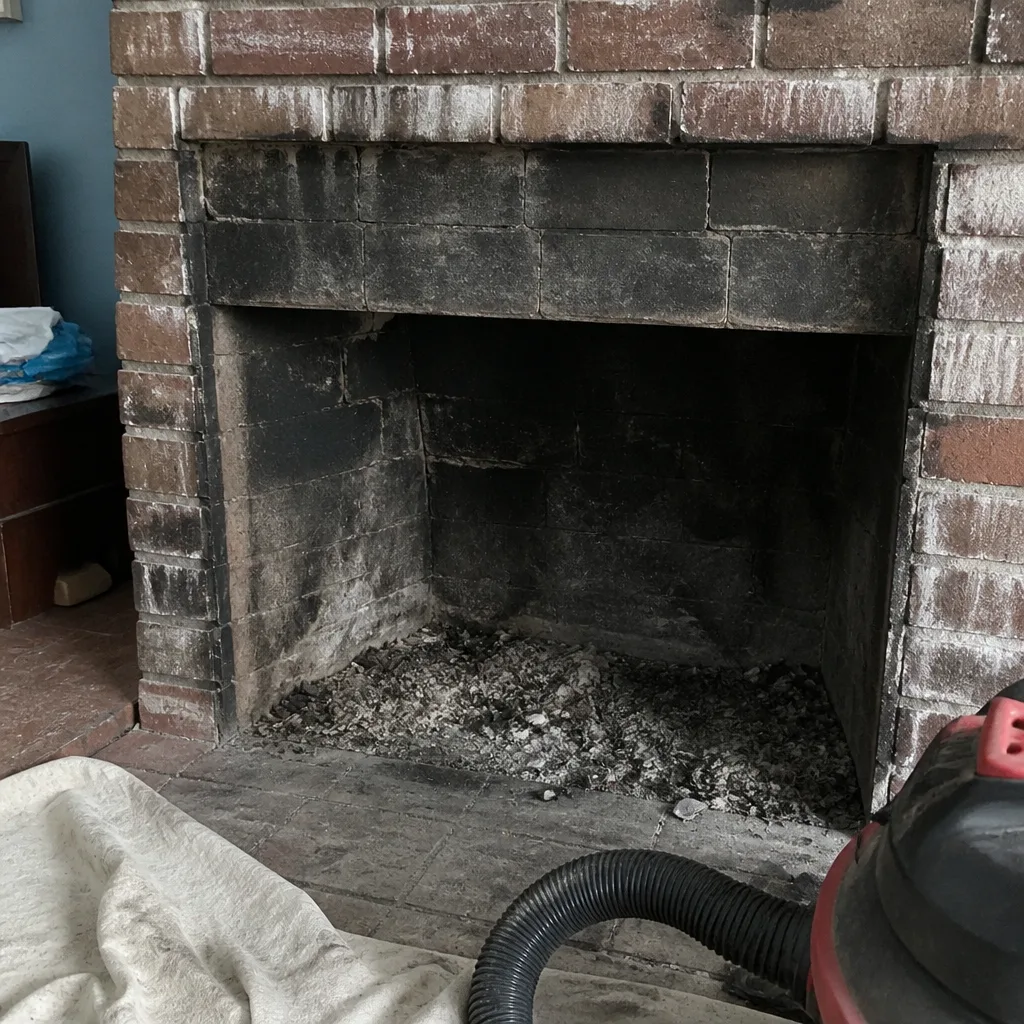 Before
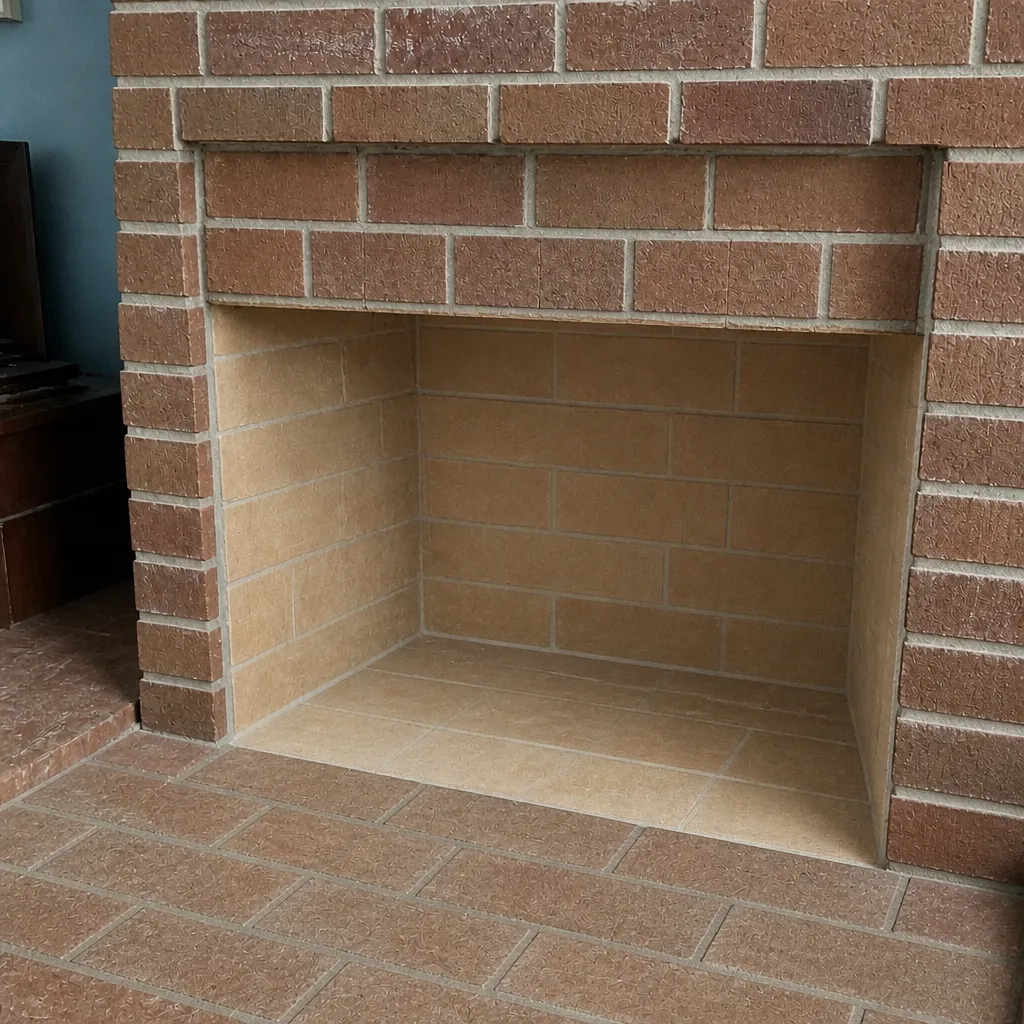 After
 Before
 After
 Before
 After