
Last updated November 24, 2026
 Sweep & inspection
 Caps & crowns
 Flue relining
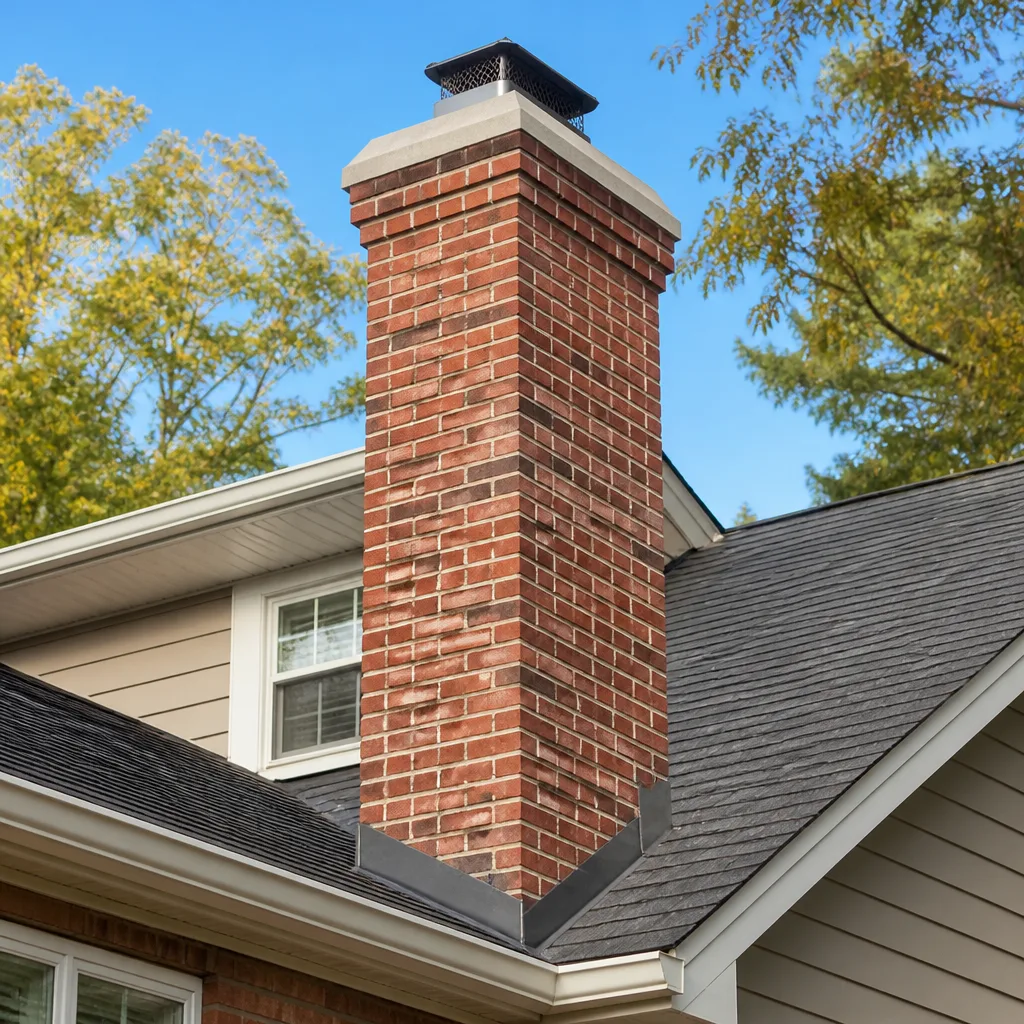 Masonry repair
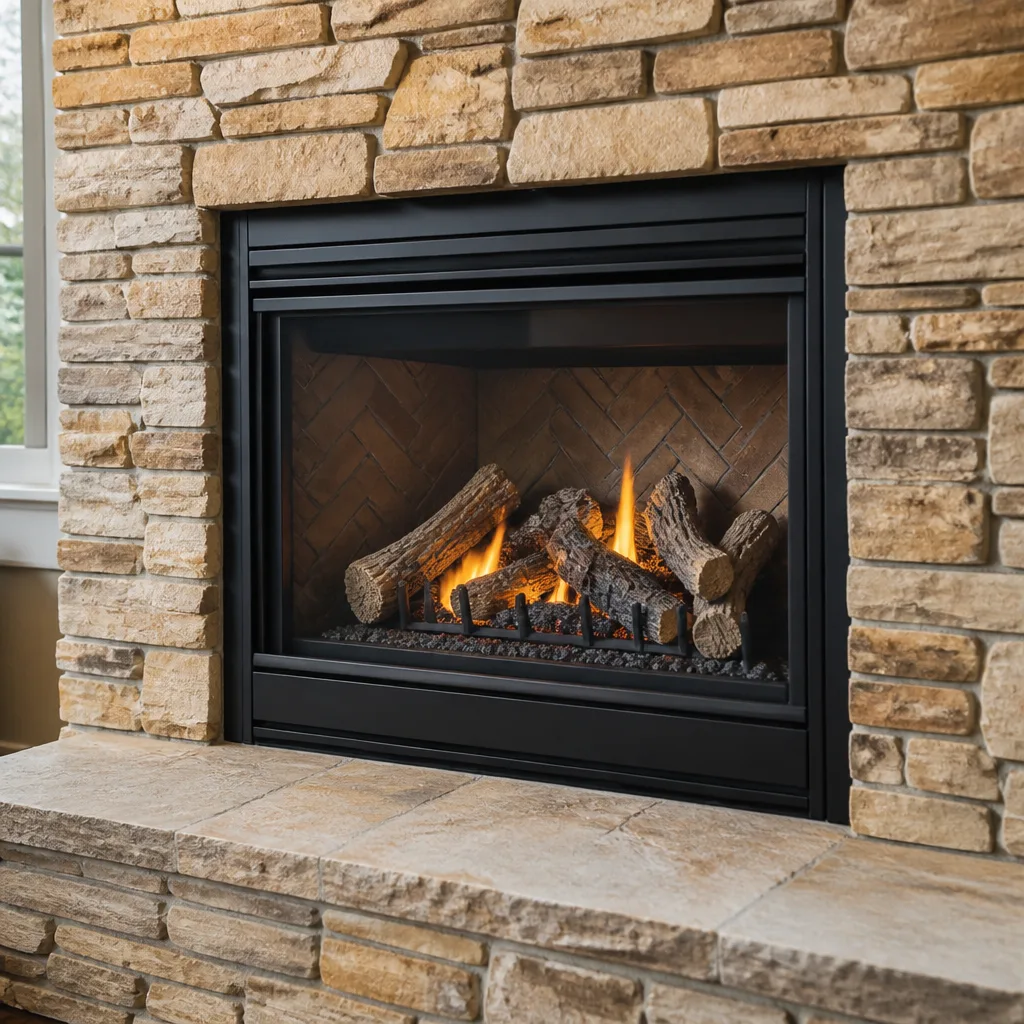 Gas fireplace service
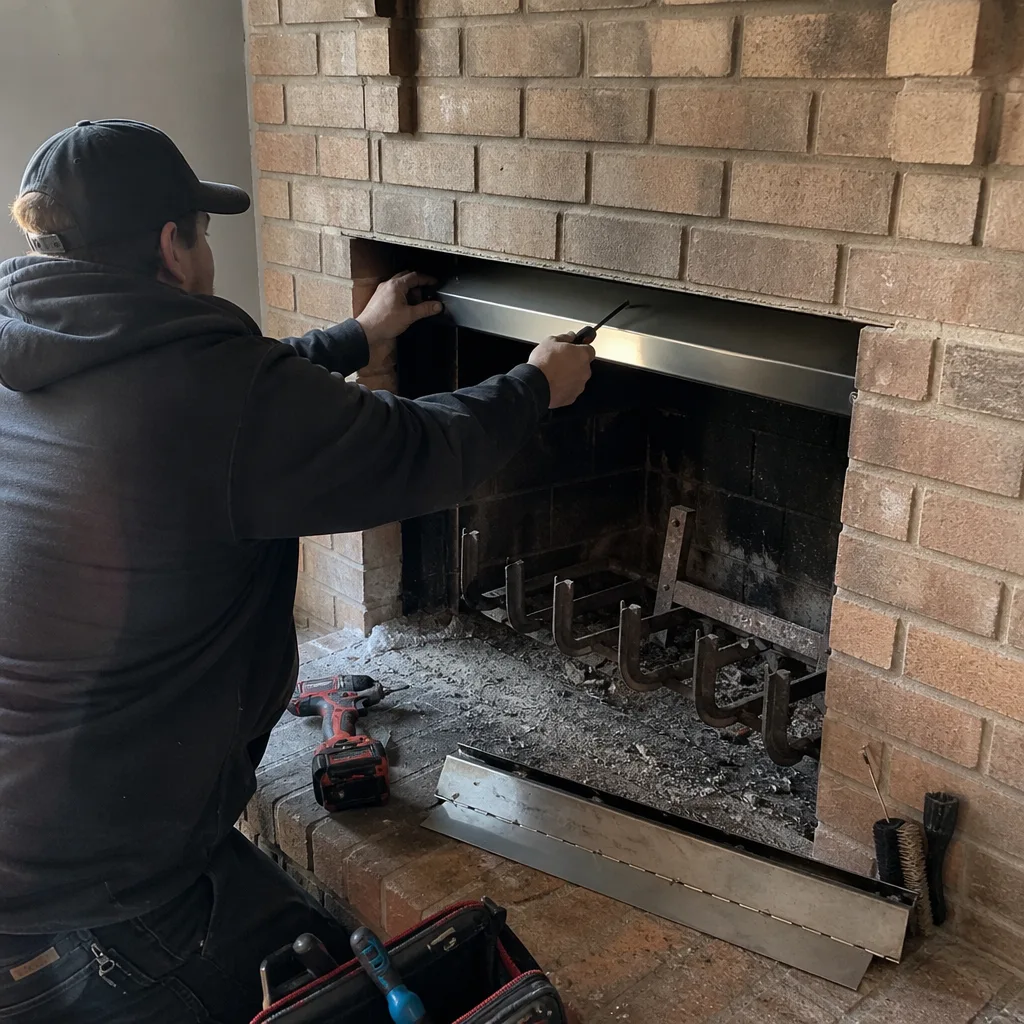
Level 1 sweep and inspection to the NFPA 211 annual standard - flue, crown, cap, and flashing checked and photographed
Chimney sweep logs do not sweep chimneys. They loosen some creosote - which then falls where a brush and vacuum still have to collect it.
The Complete Guide to Chimney Cleaning in Tacoma
Most chimney fires don’t start in chimneys that look dirty. They start in chimneys that passed a quick visual check but had glazed, third-degree creosote fused to the flue liner where a flashlight never reaches. That’s the uncomfortable truth about chimney cleaning: what you can see from the firebox tells you almost nothing about the condition of the flue two feet up. In Tacoma, the wet climate makes that gap between “looks fine” and “is actually clean” wider than most homeowners realize. This guide walks through what a real cleaning involves, why Western Washington chimneys behave differently than the national checklists suggest, and how to read the report you get afterward.
Quick Answer
Chimney cleaning in Tacoma means removing soot, creosote, and blockages from the firebox, smoke chamber, and flue so the system vents safely, then inspecting the liner and masonry for damage the cleaning may have revealed. Because Tacoma gets over 38 inches of rain a year, chimneys here see faster creosote condensation and more moisture-driven masonry wear than drier parts of the country, which is why the cleaning standard is higher. A professional sweep includes vacuuming the smoke chamber, brushing the full flue, and a camera look at the liner, not just a quick pass with a brush.
Styles & brands we work with
- Sweep & inspection
- Caps & crowns
- Flue relining
- Masonry repair
- Gas fireplace service
Table of Contents
- Why Tacoma’s Climate Changes How Chimneys Get Dirty
- The Three Types of Creosote and Which One a Brush Won’t Touch
- What a Complete Chimney Cleaning Actually Involves
- Why Alder, Douglas Fir, and Green Wood Leave Different Residue
- How to Read the Technician’s Report After a Cleaning
- How Often Should a Tacoma Chimney Be Cleaned?
- What Chimney Cleaning Costs in Tacoma
- The Safety Reasons That Matter Most
Why Tacoma’s Climate Changes How Chimneys Get Dirty
The Puget Sound region’s wet, mild climate works on a chimney in two directions at once, and neither shows up the way national cleaning guides describe. Tacoma averages more than 38 inches of rain annually, spread across many gray months, and that has real consequences for how a flue performs.
First, the moisture itself. Wood that’s been stored outside in Tacoma’s damp air doesn’t dry the way it would in a dry climate, even when it’s been split and stacked. Damp wood burns cooler and produces more smoke, and cooler flue gases are the direct cause of faster creosote condensation on the liner walls. Second, our shoulder seasons are long and mild. Homeowners here often run fires at a low, smoldering draft for hours because the house doesn’t need a roaring fire, only a little heat on a damp evening. Smoldering fires are exactly the condition that deposits heavy creosote. Put the two together, and a Tacoma chimney can build up a dangerous coating in fewer fires than a chimney in a colder, drier inland climate.
Moisture also attacks the masonry from the outside. Brick and mortar are porous; when they stay wet through a long rainy season and then freeze on a cold snap, the surface spalls and the crown cracks. A cracked crown lets water run straight down into the flue structure. That’s why we treat the exterior of a chimney as part of the cleaning conversation here in Tacoma, not a separate problem.
- Rainfall: over 38 inches a year keeps wood and masonry damp.
- Damp wood: burns cooler, makes more smoke, builds creosote faster.
- Low, smoldering fires: common in our mild shoulder seasons and tough on liners.
- Freeze-thaw: cracks mortar, spalls brick, and lets water into the flue.
You can’t control the weather, so you adjust the maintenance. The Tacoma Chimney Sweep approach starts with inspecting the liner and masonry first, then cleaning to the standard the condition of the chimney requires.
The Three Types of Creosote and Which One a Brush Won’t Touch
Creosote is the residue left behind when wood smoke cools against the flue walls. It forms in three stages, and only the first responds to standard brushing. Knowing which type is in your chimney is the whole game, because a quick sweep can leave the dangerous kind untouched.
- First-degree creosote: a flaky, soot-like deposit that wipes off with a brush. This is the light dusting most people picture when they think “dirty chimney.” Standard sweeping removes it cleanly.
- Second-degree creosote: a darker, tar-like coating that’s sticky or hard, often flaking in curls. A stiff brush can wear it down but not always remove it fully, and in Tacoma’s damp air it builds up faster. This layer gets some concentrated attention.
- Third-degree creosote: glazed, hard, and shiny, like a shell fused to the flue. A brush slides across it. This is the dangerous stage, and it’s the one most likely to ignite in a chimney fire because it’s concentrated fuel sitting against the liner where combustion temperatures can climb enormously.
Here’s the part that matters: a quick visual inspection, and even a routine brush cleaning, can miss third-degree glazed creosote entirely. It forms high in the flue, on bends, and above the smoke chamber where a flashlight beam doesn’t land. A cleaning that only addresses first-degree flaky soot leaves the fuel layer in place.
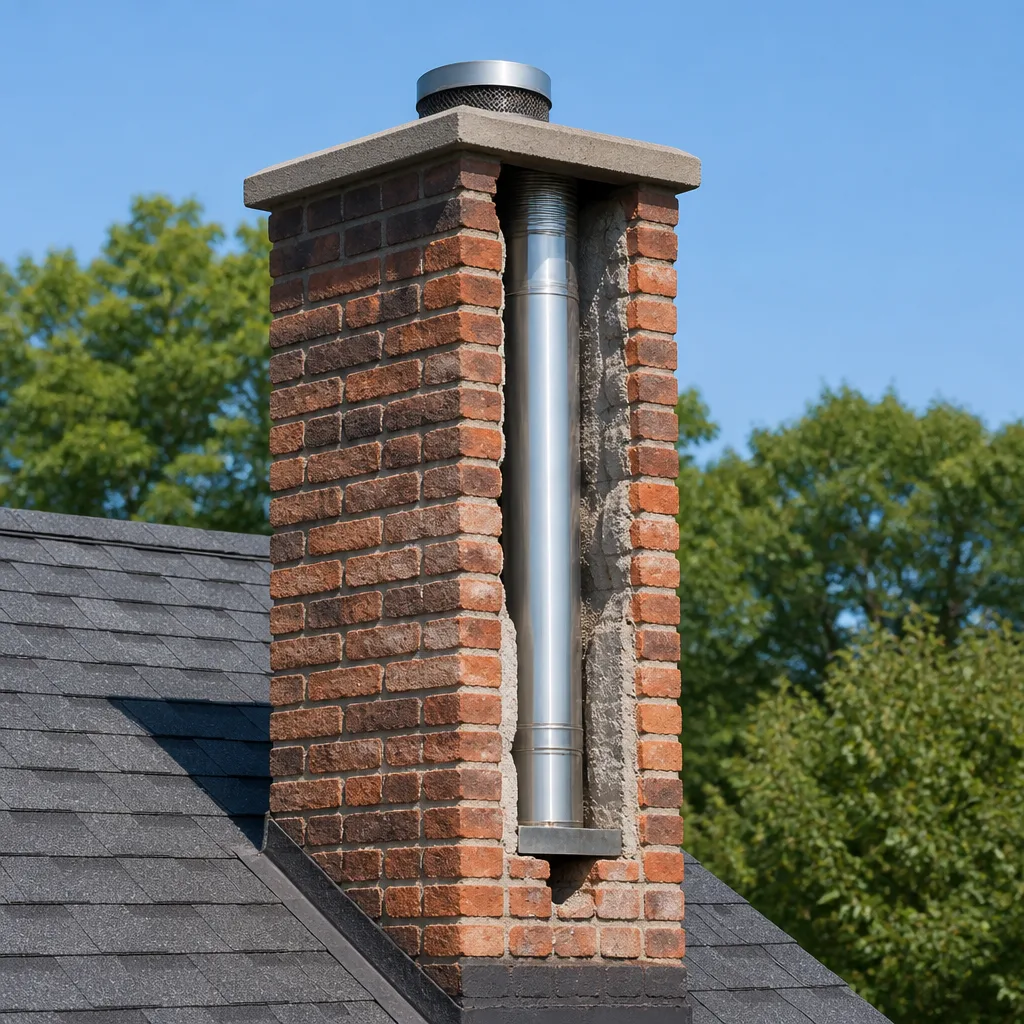
When we find glazed creosote, brushing alone won’t fix it. That’s where a resurfacing product like HeatShield comes in. HeatShield is a professional-grade liner resurfacing material applied by trained chimney specialists to restore a smooth flue surface over damaged or glazed areas, closing up the roughness that catches new deposits. It’s a repair process, not a cleaning product, and it’s a service many generalist sweeps simply can’t perform. Getting the flue to a genuinely clean, smooth state so creosote stops collecting is the real goal of chimney sweep work in a climate like ours.
What a Complete Chimney Cleaning Actually Involves
A complete cleaning isn’t a brush on a long pole. It’s a staged process that addresses the whole system from the firebox to the top of the flue, with the technician’s vacuum running the entire time so nothing blows back into the living room. Here’s what the stages should look like, so you know what you’re paying for.
Stage 1: Setup and containment
Drop cloths go down around the hearth, and a high-powered chimney vacuum with HEPA-grade filtration connects to the firebox opening to create negative pressure. This keeps soot out of the room. If a technician shows up without proper containment and vacuum equipment, that’s a sign the cleaning won’t be thorough.
Stage 2: The firebox and smoke chamber
The firebox gets scraped and vacuumed, then the smoke chamber above it. The smoke chamber is the tapered shelf between the firebox and the flue where smoke swirls and dumps its residue. It’s hard to reach and routinely ignored by quick sweeps. It gets brushed and vacuumed as part of a full cleaning.
Stage 3: Brushing the full flue
The technician brushes from the top down, or bottom-up with proper equipment, using the right brush for the liner material. Metal liners get one brush type, clay tile another. Every bend and offset gets attention. This is the pass that removes first-degree creosote and knocks down loosened second-degree deposits.
Stage 4: Liner inspection
Once the flue is clean, the liner gets inspected, often with a camera, so cracking, gaps, and glazed creosote are documented rather than guessed at. This step is what separates a cleaning from a sweep.
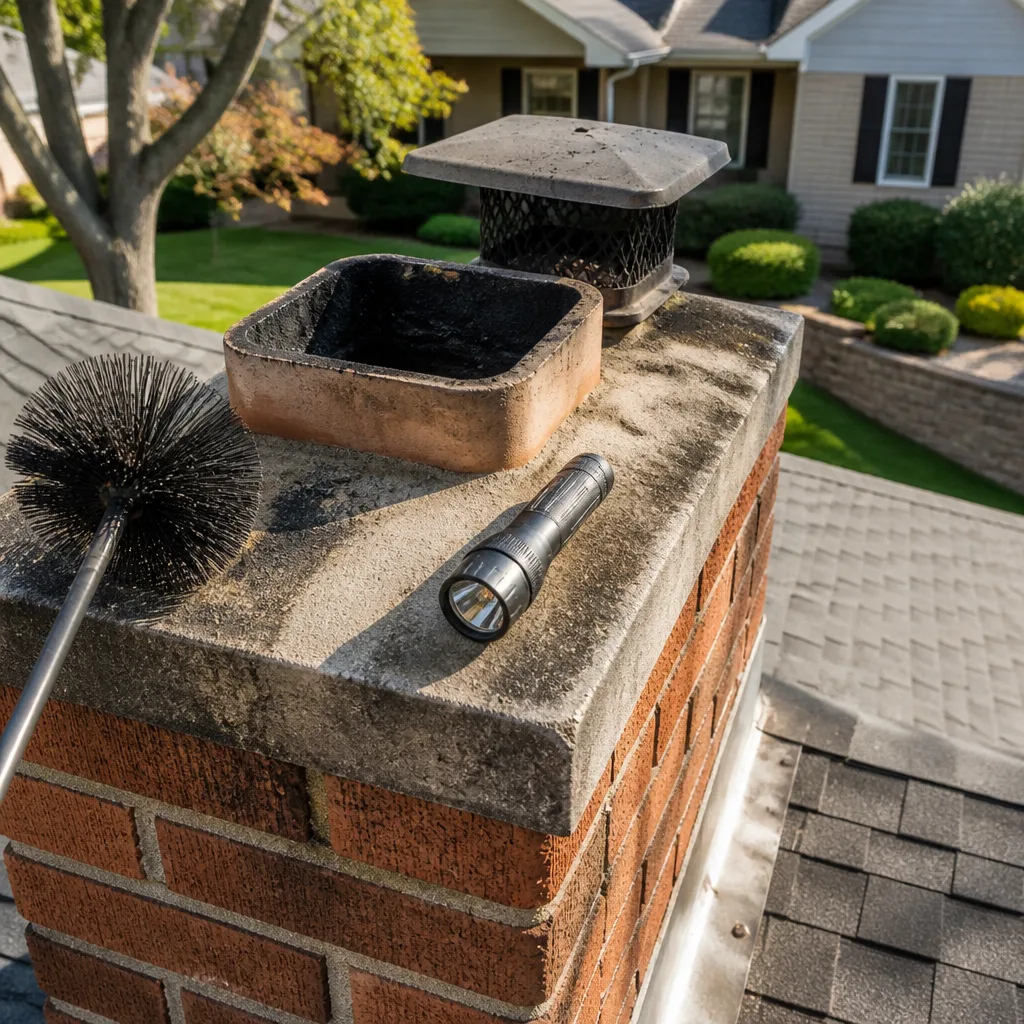
Stage 5: Cap, crown, and exterior check
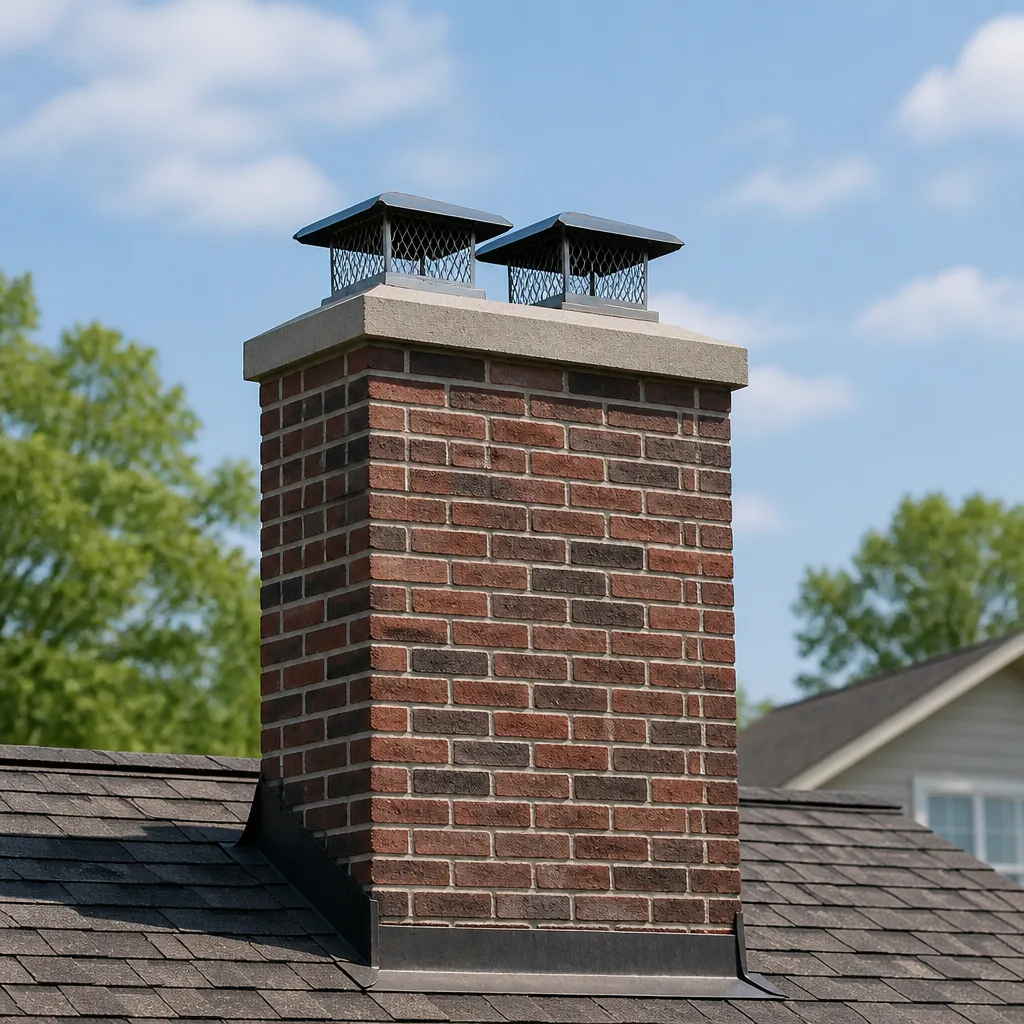
The technician checks the cap and crown from the roof, since a missing cap lets rain and animals straight into the flue. A cracked crown is an open invitation for water. If the crown needs replacing, the local pro can handle the chimney cap & crown work rather than leaving the homeowner to find a mason.
Doing all five stages within one specialist visit is what we mean by full-cycle chimney work. Restore, reline, or repair all happen with the same trained people, so nobody hands you off mid-job. In our experience, the smoke chamber and liner inspection are the two stages most often skipped by generalist contractors.
Why Alder, Douglas Fir, and Green Wood Leave Different Residue
Most chimney cleaning guides are written for the hardwood fireplaces of the Northeast and Midwest. Tacoma homeowners burn a different fuel, and it behaves differently. Alder and Douglas fir are both common around here, and neither produces the same residue as cured oak or maple.
Alder is a softer wood that burns relatively clean when properly seasoned, but it’s also a favorite for damp storage and often ends up burned before it’s dry. Douglas fir is dense, burns hot once it’s cured, and produces more spark and fly ash than hardwood. The catch is moisture. Fir needs a long, dry seasoning window in this climate, and “well-seasoned” labels on a woodpile mean very little after months of Puget Sound rain. Green-cut timber, or “green” wood still carrying sap, produces far more smoke, higher moisture in the flue, and much faster creosote condensation.
- Hardwoods (oak, maple): the reference fuel in most national guides; longer, hotter burn, less soot when dry.
- Alder: common locally, burns clean when cured, but soft and often burned damp.
- Douglas fir: dense, hot-burning once dry, more fly ash and spark.
- Green or damp wood: the biggest creosote driver, no matter the species.
The practical rule for Tacoma: buy or cut wood early, split it, and store it under cover with airflow, then test a split piece before you burn it. Damp wood is the single fastest way to coat a flue. If you find that you’ve been burning less-than-dry wood, that alone is a reason to book a chimney sweep sooner rather than later.
How to Read the Technician’s Report After a Cleaning
A cleaning should end with a written report that tells you exactly what was found and what it means for the coming season. The report is where the real value sits, and knowing how to read it separates a homeowner who can make an informed decision from one who gets talked into unnecessary work.
Here’s how a useful report is organized, and what to look for in each section:
- Condition of the flue liner: cracks, gaps, missing tiles, or glazed creosote. Any of these are findings that need follow-up.
- Creosote level: usually rated by degree. First and second-degree deposits that were cleaned off are fine. A note about heavy or glazed creosote means the flue needed resurfacing.
- Smoke chamber and firebox condition: cracks in the firebox walls or a damaged damper affect how the fireplace draws.
- Crown and cap: cracks, loose cap, animal activity. These are water-intrusion entry points and should be addressed before the wet season.
- Photos: a proper report includes photos of what the camera saw, so you can see the problem for yourself rather than take it on trust.
Reading the report, ask one question: is this finding something we can monitor next season, or something that needs work now? Light surface cracking may be fine to watch. A cracked crown letting water in, a gap in the liner, or glazed creosote that resists brushing are findings that shouldn’t wait. A good technician tells you plainly which is which. If a technician recommends thousands of dollars of liner or masonry work without photos you can see, get a second opinion before you commit. That’s a reasonable response, and one worth standing behind. When a finding does need repair, the same specialist team can handle it through fireplace repair and relining, using product brands like DuraFlex flexible liners for flues that are too damaged to sweep safely.
How Often Should a Tacoma Chimney Be Cleaned?
The general rule is once a year for a home that burns wood regularly, and the timeline shortens here because of our climate. A Tacoma chimney that sees regular fires through the wet months should be cleaned and inspected each year before the burning season starts. Homeowners who burn occasionally may stretch it, but not past the point where deposits build up. The right interval is set by how much you burned and how dirty the flue actually got, which is why an annual inspection comes first and the cleaning follows the evidence.
There are signs that tell you not to wait for the annual date:
- You smell smoke in the house after fires or on drafty days.
- The fire is slow to start or smokes when you open the glass doors.
- Soot or soot flecks appear around the firebox or on the hearth.
- You’ve burned through a winter of damp or green wood.
- The chimney is on a home you just bought or haven’t had inspected in several years.
Gas fireplaces aren’t exempt. They produce less soot, but the flue, vent, and combustion path still need inspection, and a professional can confirm the venting is clear and safe. If you’ve just bought a Tacoma home, treat the chimney as unknown until it’s been inspected. It’s the single most useful piece of diligence a new owner can do before the first fire.
What Chimney Cleaning Costs in Tacoma
Chimney cleaning in Tacoma typically runs about $180 to $340 for a standard sweep and inspection, with the price set by the written estimate before any work begins. The range holds across most single-flue homes in the area. Add-ons, repairs, or a more involved system push the total up, and you should always have the estimate in writing first.
What tends to move the price within that range:
- Number of flues and fireplaces: a second flue adds time and cost.
- Deposit level: heavy or glazed creosote takes more work to remove.
- Liner condition: a cracked or rough liner may need resurfacing.
- Access: a steep or difficult roof adds setup time.
- Cap and crown: a missing cap or cracked crown is quoted separately as a repair.
For repairs and upgrades, the price depends entirely on what’s found. Liner resurfacing with HeatShield, a full reline with DuraFlex, or crown and cap replacement are quoted per job once the inspection reveals what’s needed. We set flat-price estimates agreed before booking, and the written estimate is the final word. The estimate itself is free, so there’s no reason to guess.
We answer 24/7 for questions, and to book a visit call (833) 513-8117. Fast dispatch from 7am to 7pm, Sunday through Friday.
The Safety Reasons That Matter Most
Two hazards sit behind every chimney cleaning, and both are why this isn’t a chore to put off.
The first is chimney fire. Glazed creosote is concentrated fuel on the inside of your flue, and when it ignites, the fire can reach temperatures that crack tile liners and damage the masonry structure. Many chimney fires go unnoticed because the homeowner never sees a flame, just hears a roar or notices a damaged liner months later. The second is carbon monoxide. A blocked or damaged flue can let combustion gases back into the home instead of venting them up. A cleaning and inspection is how you confirm the path is clear and the liner is intact.
One safety note for the homeowner: never try to clean a tough creosote deposit or inspect a flue yourself. High flue access, sharp tools, and glazed residue are a bad combination, and third-degree creosote can’t be removed with a brush anyway. Leave it to a trained specialist. If you suspect a chimney fire has happened, stop using the fireplace and get the system inspected before the next fire. This isn’t a place to save money. The fireplace repair conversation comes after the inspection finds what’s needed, not before.
Common Mistakes to Avoid
- Judging the chimney by appearance. A flue can look clean from the firebox and still hold a dangerous layer of glazed creosote far above where the eye reaches. Only a full brush and camera inspection can confirm condition.
- Burning damp wood to save effort. Wood stacked wet through a Tacoma rainy season burns cool and coats the liner faster. Test your wood dry and season it under cover.
- Skipping the smoke chamber. Quick sweeps that ignore the smoke chamber leave a major residue trap untouched. Make sure the technician includes it.
- Accepting expensive work without proof. If a sweep recommends a new liner or major repair with no photos, ask for the images and a second estimate. Findings you can’t see aren’t findings you should pay for.
- Assuming gas means no maintenance. Gas fireplaces still need their venting and combustion path checked. The residue is different, not absent.
- Using a generalist with a brush and no inspection tools. A roofer or plumber doing chimneys on the side is unlikely to have the camera and liner expertise the job requires. A specialist is worth the call.
- Running fires before the first inspection in a new home. A house you just bought is unknown territory. Inspect before lighting the first fire of the season.
See the difference
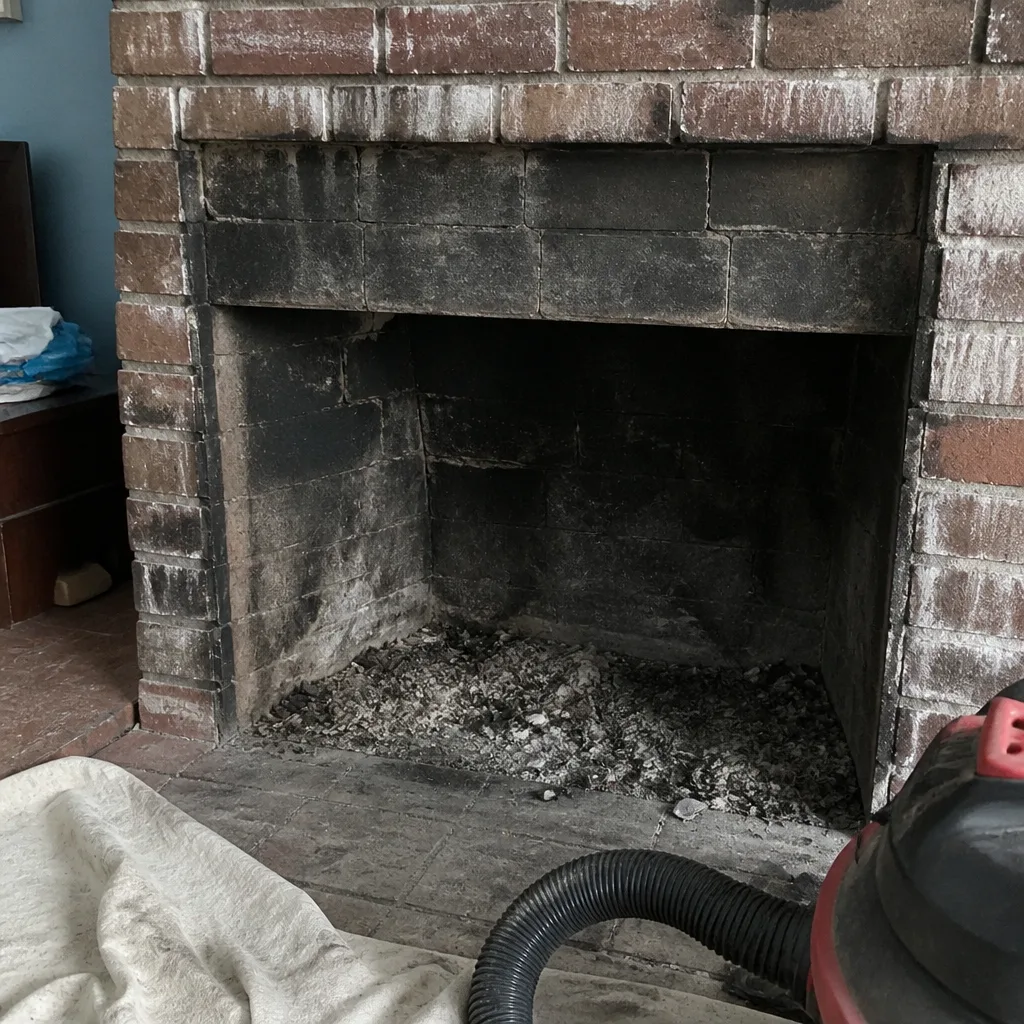 Before
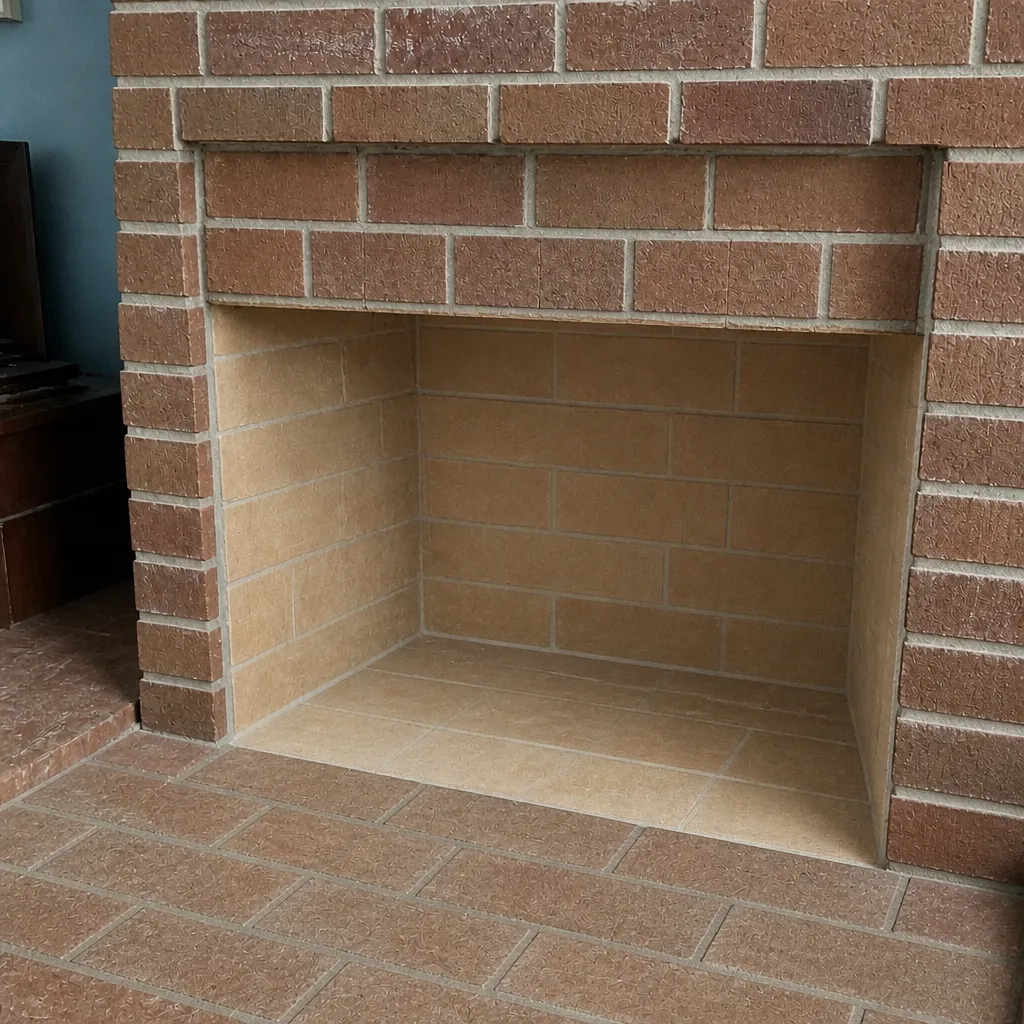 After
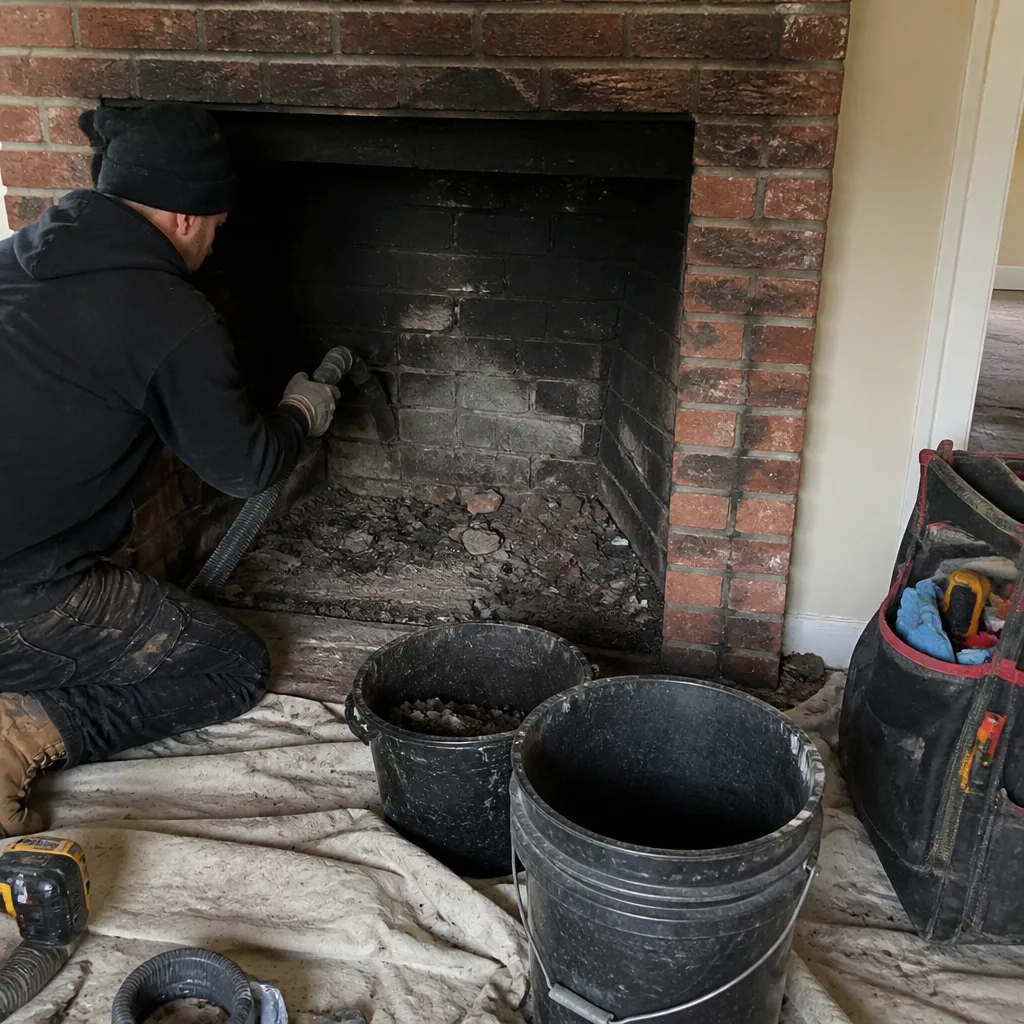 Before
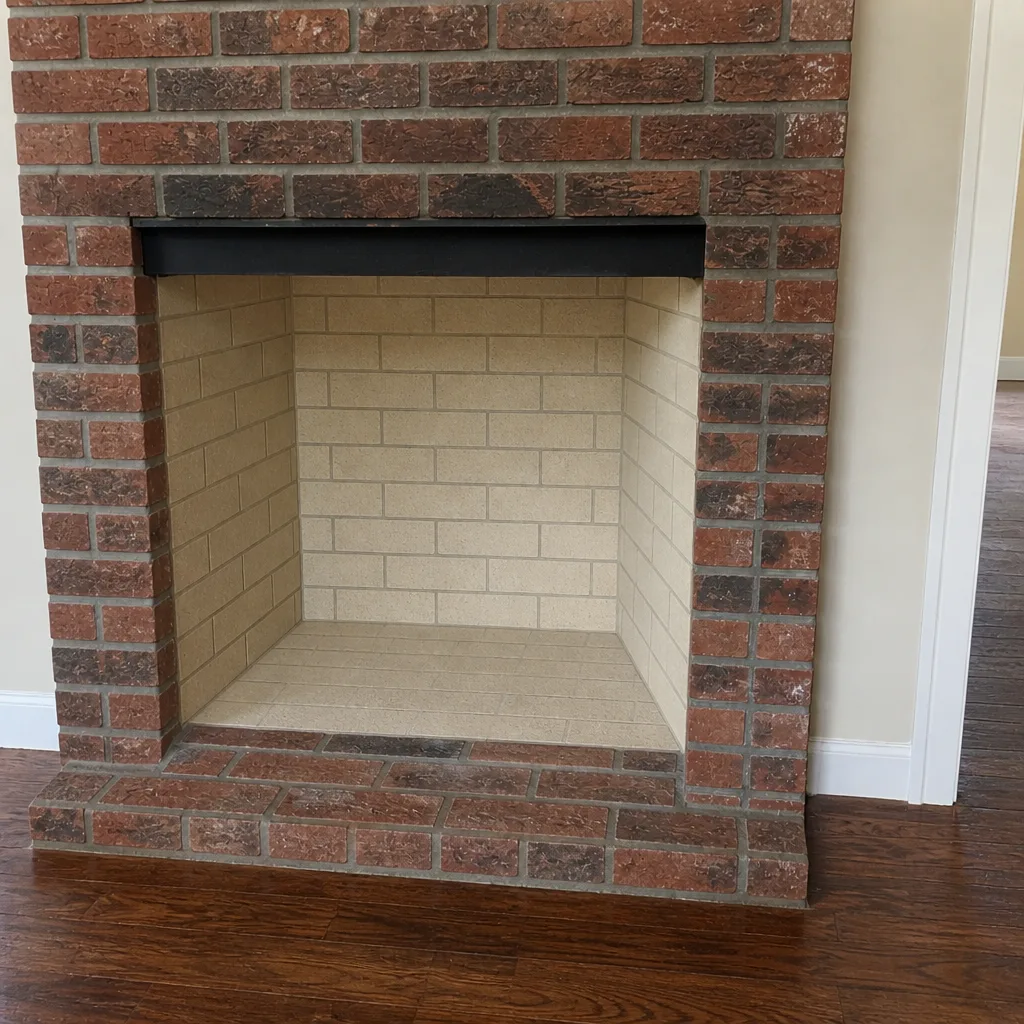 After
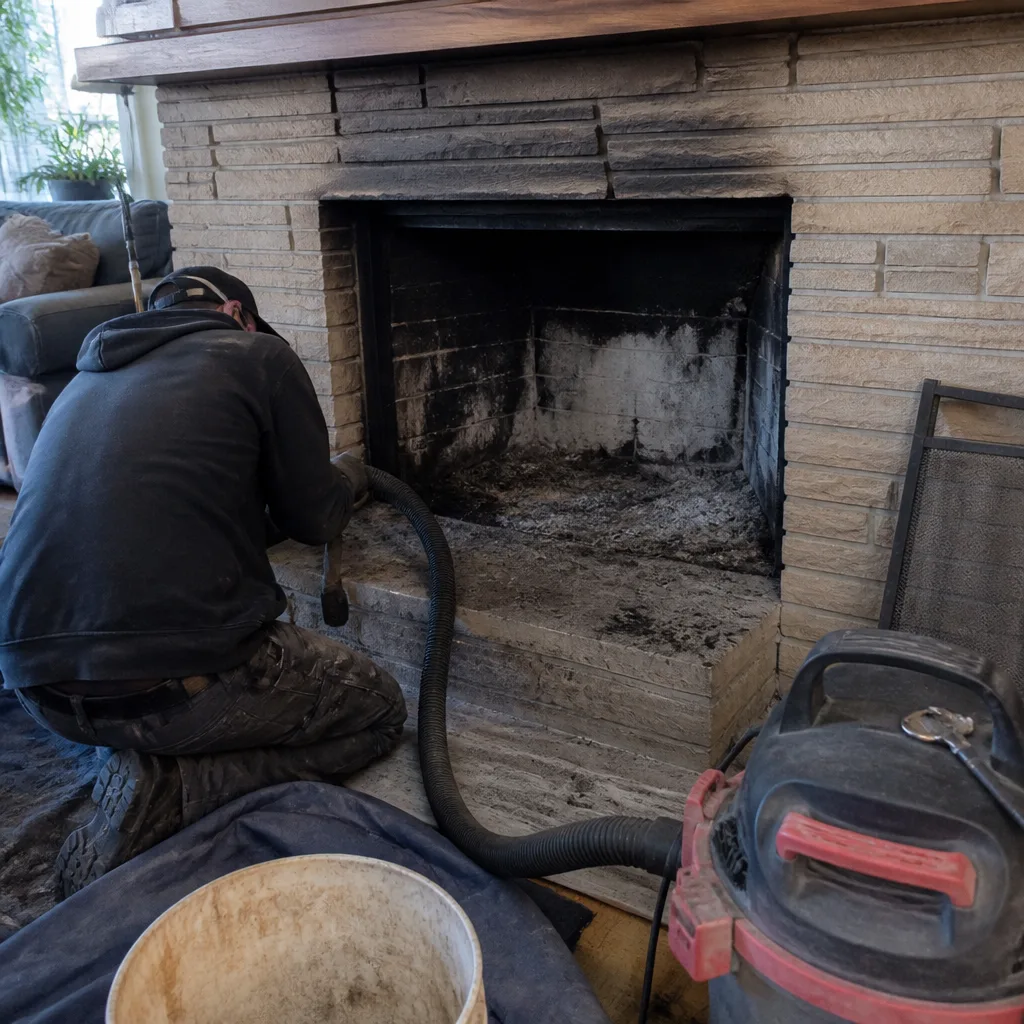 Before
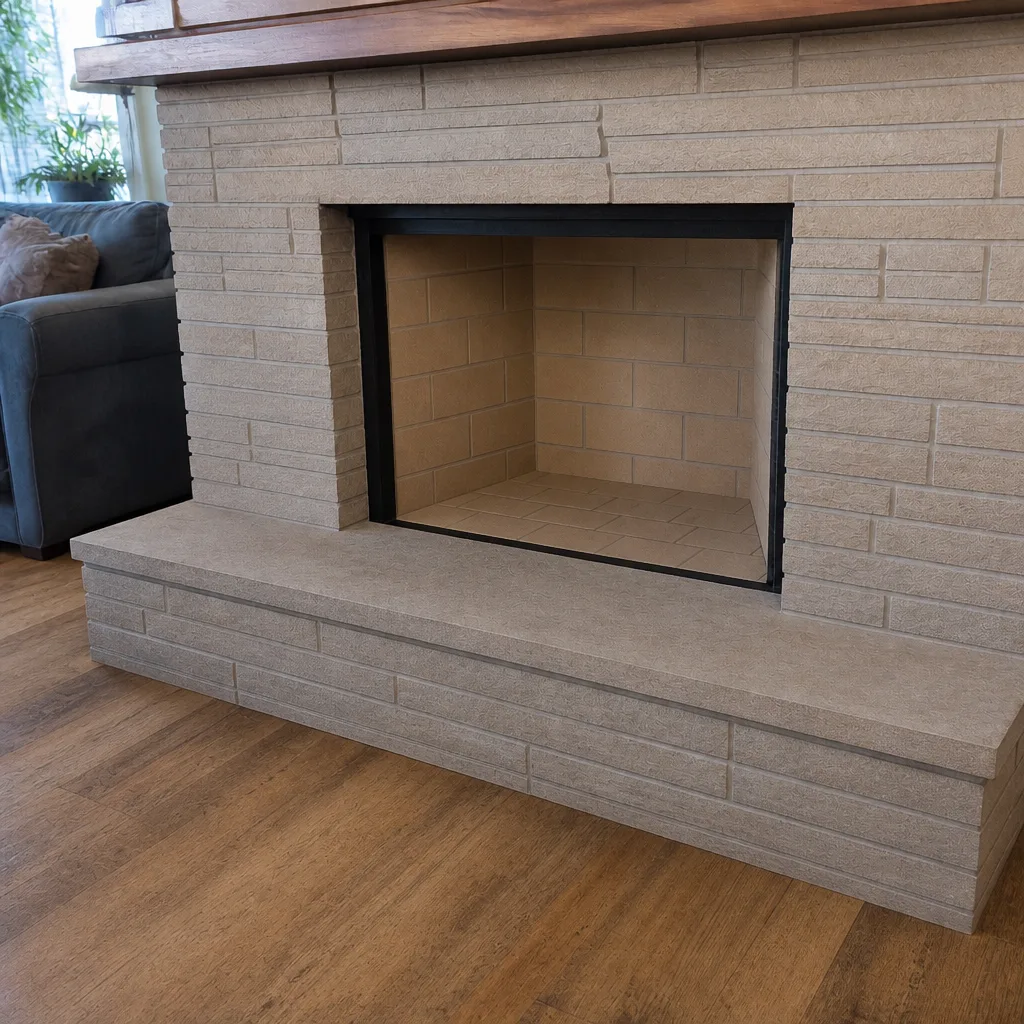 After
When to Call a Professional
Book a professional cleaning when your last inspection was more than a year ago, when you’ve burned heavily or burned damp wood, or when you’ve noticed smoke coming into the room, a stronger smell of soot, or a fire that won’t draw. If you just bought a Tacoma home, get the chimney inspected before the burning season. If you’ve had a chimney fire, or you suspect one, stop using the fireplace and get an inspection first. Repair findings from a cracked crown to a failed liner are handled by the same specialist team, so nothing gets handed off. From the firebox to the crown, we can restore, reline, or repair. Tacoma Chimney Sweep offers free estimates in Tacoma – call (833) 513-8117. We answer 24/7, with fast dispatch from 7am to 7pm, Sunday through Friday.
Frequently Asked Questions
Chimney cleaning in Tacoma typically costs about $180 to $340 for a standard sweep and inspection. The exact price depends on the number of flues, how much creosote is built up, and whether the liner needs any attention. We give flat-price estimates in writing before booking, and the estimate is free. Call (833) 513-8117 for an exact quote.
Once a year for regular wood burners, and more often if you burn damp wood or notice smoke problems. Tacoma’s wet climate builds creosote faster than drier regions because wood stays damp and fires burn cooler. The annual inspection tells you whether cleaning is due or the chimney can wait. Call (833) 513-8117 to schedule yours.
Not usually. A liner only needs replacing or resurfacing when there’s real damage: cracks, gaps, or glazed creosote that won’t brush off. Many liners can be restored with resurfacing instead of full replacement. We only recommend a liner repair when there’s camera evidence you can see for yourself, and if it can safely wait, we’ll say so. Call (833) 513-8117 for an honest evaluation.
Creosote builds up, and the risk of a chimney fire rises with it, along with a chance of carbon monoxide backing into the home if the flue becomes blocked. Many chimney fires start in flues that looked clean. Skipping a sweep doesn’t save money, it moves the cost to emergency repairs. Call (833) 513-8117 to book a cleaning.
Rain doesn’t stop an interior cleaning, since the work happens inside the flue and firebox. What rain does affect is the exterior condition, which makes a good time to check the crown and cap for water damage. The technician notes any exterior findings in the report. Call (833) 513-8117 to get on the schedule.
Yes, mainly for the inspection. Even occasional burning can leave deposits, and the inspection tells you if the liner is sound and the flue is clear. For a recently purchased home or one without a recent inspection, it’s the most important step before the burning season. Call (833) 513-8117 for a free estimate.
The Bottom Line
Chimney cleaning in Tacoma is not the same as it is elsewhere, and that’s the whole point. The Puget Sound’s wet climate builds creosote faster, damages masonry sooner, and makes damp wood a bigger factor than national guides admit. The three-stage creosote picture explains why a brush and a flashlight can’t tell you whether your flue is safe. A real cleaning covers the firebox, the smoke chamber, the full flue, and the liner inspection, with photos so you can see what the technician found. Read the report, know which findings need work and which can be monitored, and treat the annual inspection as the baseline. A dedicated chimney specialist handles restore, reline, or repair from the firebox to the crown with professional-grade materials. We answer 24/7 for questions, with fast dispatch from 7am to 7pm, Sunday through Friday. Call (833) 513-8117 for a free estimate.
Written by the team at Tacoma Chimney Sweep.