
Last updated November 24, 2026
 Sweep & inspection
 Caps & crowns
 Flue relining
 Masonry repair
 Gas fireplace service
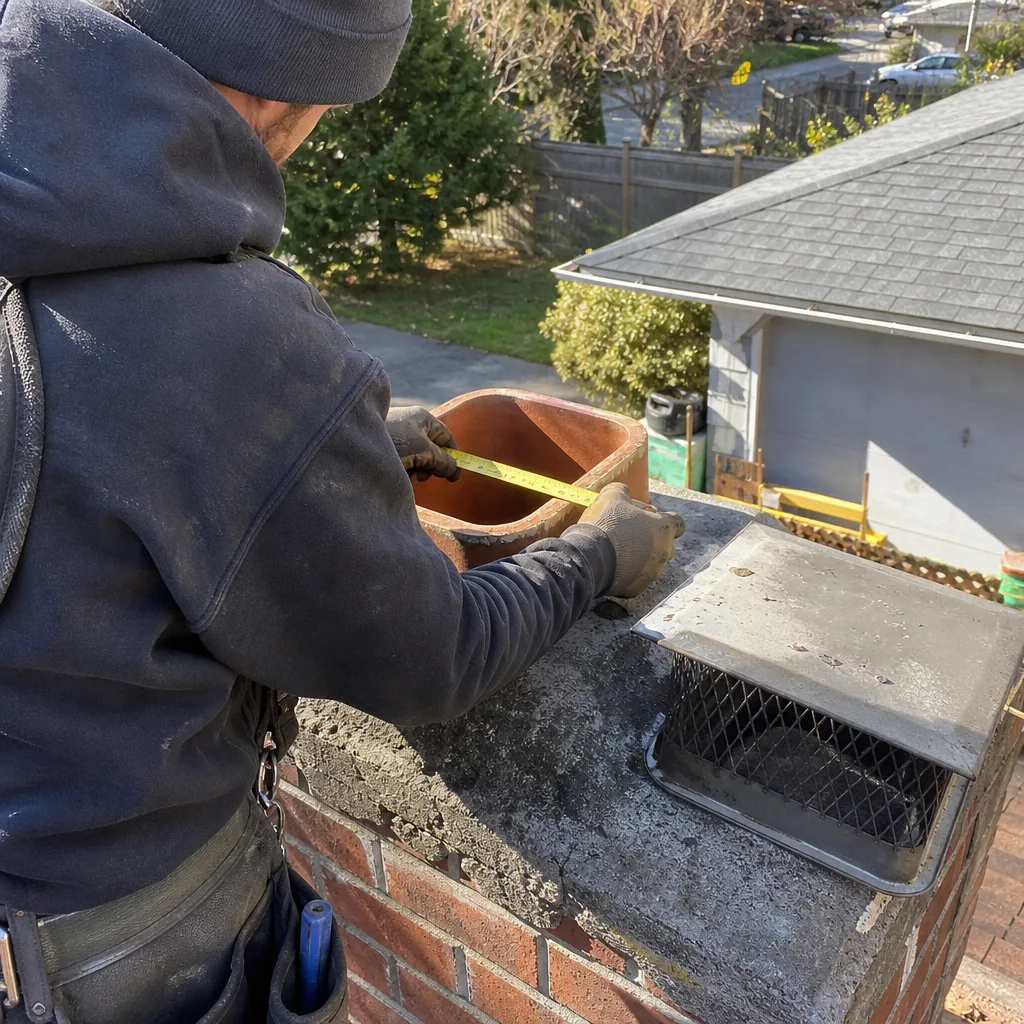
Level 1 sweep and inspection to the NFPA 211 annual standard - flue, crown, cap, and flashing checked and photographed
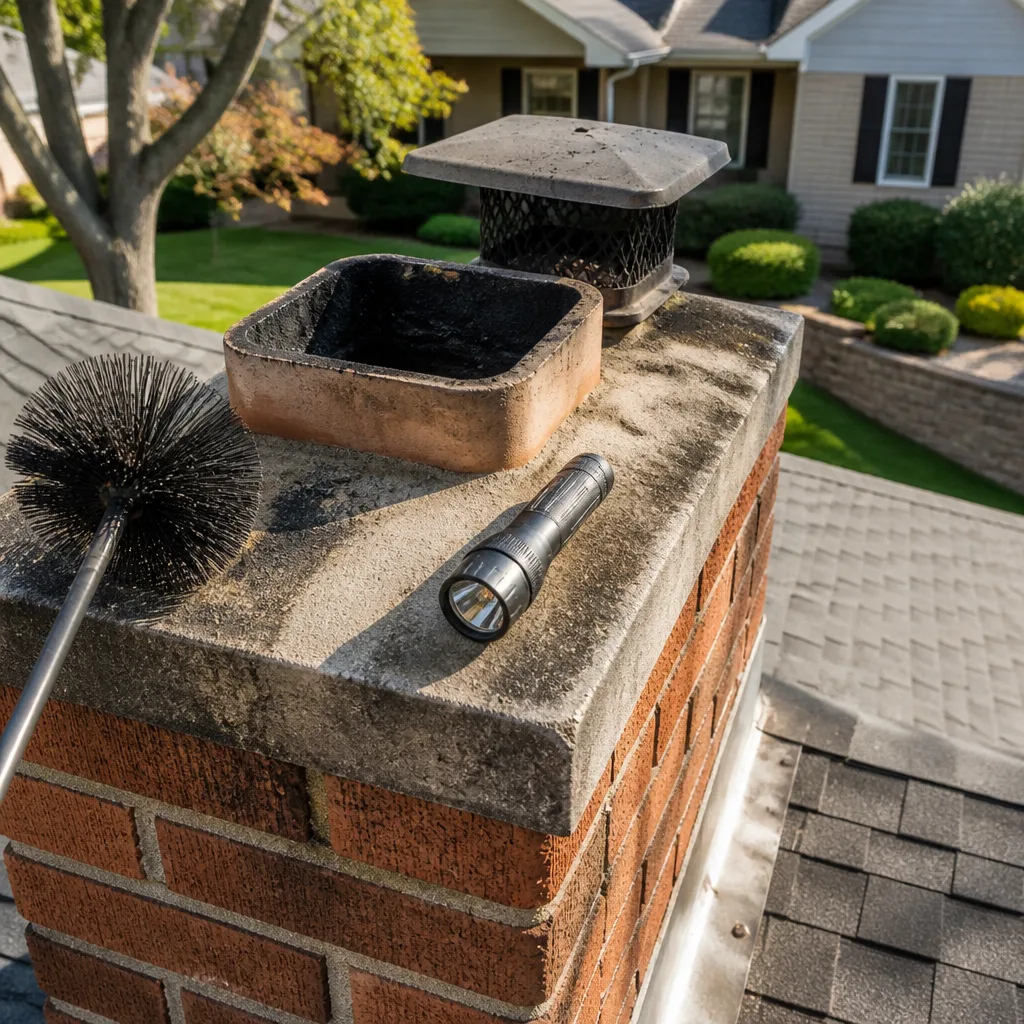
Chimney sweep logs do not sweep chimneys. They loosen some creosote - which then falls where a brush and vacuum still have to collect it.
DIY vs Professional Chimney Cleaning: The Tacoma Homeowner’s Decision Guide
A chimney brush down the flue looks like the whole job. It isn’t. A basic DIY sweeping kit does remove first-degree creosote reliably enough, and for some Tacoma households that’s genuinely all they need. But the brush gives you almost no information about what’s happening in the upper flue, where pressure drops off and where second- and third-degree creosote quietly builds. This guide walks through what DIY can do, what it can’t, and how to decide which route fits your fireplace, your fuel, and your house. Tacoma homes differ widely in flue construction, and that difference matters more than the cost of a sweep.
Quick Answer
DIY chimney cleaning is reasonable for gas fireplaces used lightly, and for wood stoves burned with well-seasoned wood and swept every year. It becomes risky the moment you have a pre-1980 flue, glazed or tar-like creosote, an unlined or damaged terra cotta liner, or no professional inspection in several years. A brush removes soot; it does not tell you whether the flue behind the soot is still sound. That assessment is where the actual safety value of the trade lives, and in Tacoma it’s the part homeowners most often skip.
Styles & brands we work with
- Sweep & inspection
- Caps & crowns
- Flue relining
- Masonry repair
- Gas fireplace service
Table of Contents
- What DIY chimney cleaning actually accomplishes
- First-, second-, and third-degree creosote explained
- Why Tacoma’s housing stock changes the answer
- What professional equipment adds beyond a brush
- A decision framework for your own chimney
- What to check before you decide either way
- Common mistakes to avoid
- When to call a professional
What DIY chimney cleaning actually accomplishes
A homeowner with a standard brush and a shop vacuum can remove loose, powdery soot from a flue. That’s a real accomplishment. First-degree creosote, the fluffy grey-brown deposit that builds on flue walls after a season of burning, comes off a straight run of flue without much argument. Anyone with patience, drop cloths, and a set of rods can get through a basic sweep.
Where the kit runs out of road is the same place the professional job begins. Three limitations show up on almost every DIY attempt:
- Brush flex. Rods bend and the brush head loses contact pressure as the flue rises. In a tall flue or one with an offset, the brush can travel the full height while barely touching the upper wall surfaces. The upper flue is exactly where heat concentrates and where hardened creosote forms.
- Vacuum capacity. A shop vac catches the soot that falls toward the firebox. It can’t manage the airborne dust a full sweep generates, and it has nothing like the containment of a HEPA setup. In a Tacoma living room with the damper open, that dust ends up on every surface in the room, and a portion of it ends up in your lungs.
- Liner visibility. A brush doesn’t let you see the flue wall. You cannot tell whether a terra cotta tile is cracked, chipped at a joint, or missing mortar, and those are the defects that let heat and carbon monoxide reach the framing behind the chimney.
None of this means the DIY sweep is useless. It means the DIY sweep has a known ceiling, and that ceiling is diagnostic, not mechanical. You get a cleaner flue. You don’t get information about the flue. The two are not the same thing.
First-, second-, and third-degree creosote explained
Creosote is the residue of incomplete combustion, and it forms in three recognisable stages. Knowing the stage tells you whether a brush will work, whether a rotary system is needed, or whether the flue is heading toward a chimney fire. The classification isn’t a marketing tool. It’s the practical guide to what any sweep, DIY or professional, can actually remove.
- First-degree creosote is light, sooty, and flaky. It looks like grey ash on the flue wall and it brushes off. This is the stage a homeowner can safely address with a standard kit, and the stage most annual sweeps encounter.
- Second-degree creosote is darker, denser, and it clings. It shows up as a crusty, bubbly layer that the brush passes over instead of through. Second-degree deposits need mechanical agitation, typically a rotary system, and they are the point where a hand brush stops delivering.
- Third-degree creosote is glazed and tar-like. It looks like a shiny, hardened coating on the flue wall and it can be almost impossible to remove without purpose-built equipment. This is the deposit most closely associated with chimney fires, and it is the stage where DIY effort turns into a false sense of accomplishment.
The critical thing about the degree system is that creosote accumulates unevenly. A firebox and lower flue can look clean while the upper flue, where the flue gas cools and condenses, carries the glaze. A brush that removes the first-degree soot on the way up tells you nothing about the coating it slid past. A Tacoma homeowner burning fir, alder, or the odd load of unseasoned wood will often see the shift happen faster than expected, especially in a flue that cools sharply along an exterior chimney wall.
Why Tacoma’s housing stock changes the answer
Tacoma has a lot of older homes, and older homes often mean older chimneys. That single fact reshapes the DIY question. In a pre-1980 house, the flue is far more likely to be unlined masonry or original terra cotta tile than a modern stainless system. Neither is a problem in itself. Both change what a brush can safely do.
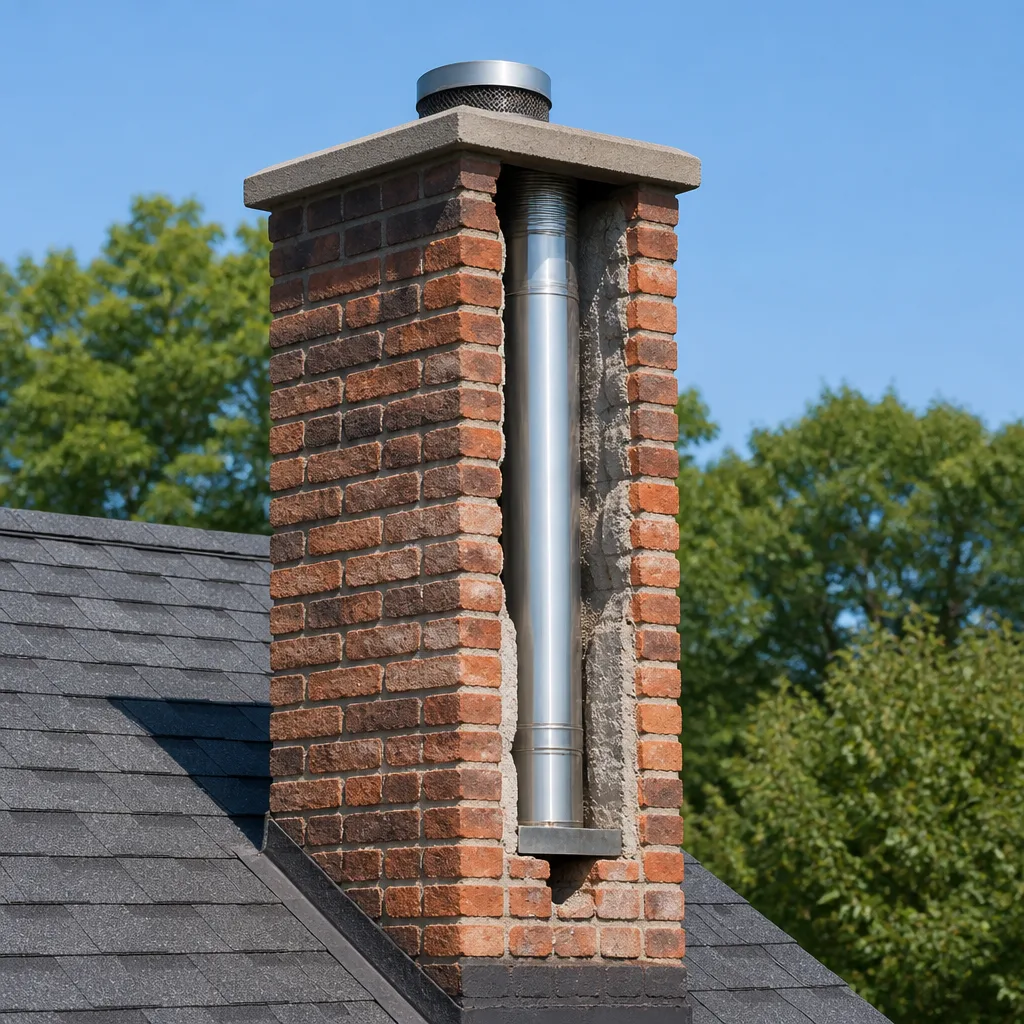
An unlined brick flue offers nothing between the flue gas and the masonry itself. Brushing an unlined flue with a stiff kit can free loose mortar and spall the brick face, sending grit down the flue to lodge in offsets and smoke shelves. A terra cotta-lined flue from the same era is more forgiving, but the tile joints are the weak point. A cracked tile, a joint with missing mortar, or a tile that has shifted lets heat and carbon monoxide move toward the wooden framing behind the chimney. A hand brush cannot detect any of that. A rotary system applied to a damaged terra cotta flue can make it worse.
This is why we raise the question of the liner before the question of the brush. A Tacoma chimney from the 1950s and a Tacoma chimney from the 2000s ask for different handling, even if both look the same from the firebox. The age of the house is the quickest available signal. If you’re not sure how the flue is built, that uncertainty is itself the argument for a professional look before you start moving anything around inside it. For a full inspection of the flue, our Tacoma Chimney Sweep page covers the camera and liner check we run as standard.
What professional equipment adds beyond a brush
The difference between a homeowner kit and a professional setup isn’t just better brushes. It’s a different category of tool, and each one exists because the home kit can’t solve the problem it addresses. Here’s what actually shows up on a full professional sweep:
- Rotary sweeping systems. A powered rotary head with the right whip adapts to glazed second- and third-degree creosote and breaks it down without the destructive scrubbing a hand brush would need to try for. It’s the tool that makes the upper flue reachable.
- HEPA vacuum containment. A high-efficiency vacuum run with a sealed connection to the firebox contains the dust at the source. No soot plume in the living room, no re-settled layer on the mantel.
- Articulating cameras. A camera on a flexible rod shows the flue wall, the tile joints, and the smoke chamber. This is the diagnostic step the home kit doesn’t offer, and it’s what turns a sweep into an assessment.
- Draft testing and pressure gauges. Measuring draft tells you whether the chimney is actually venting the way the appliance needs, which matters most in a Tacoma house where a modern insert has been fitted into an older flue.
- Liner resurfacing and system materials. When a professional camera does find a problem, the repair has to be made with the right product. HeatShield is a resurfacing system that restores the integrity of a deteriorated flue without a full reline. DuraFlex is a flexible stainless liner for a flue that can’t be restored. Famco and Copperfield round out the cap and component side. These are specialty materials, not big-box parts, and they’re supplied to the trade.
This is the line our work is built around: chimney sweep, inspection, cap and crown, liner repair, and structural fireplace repair, all held by one specialist rather than handed between a sweeper and a mason and a roofer. Our technicians have up to 14 years of experience, and every technician is chimney-specific. For the structural side, fireplace repair covers what happens when the firebox or surround has cracked or pulled away from the chimney.
See the difference
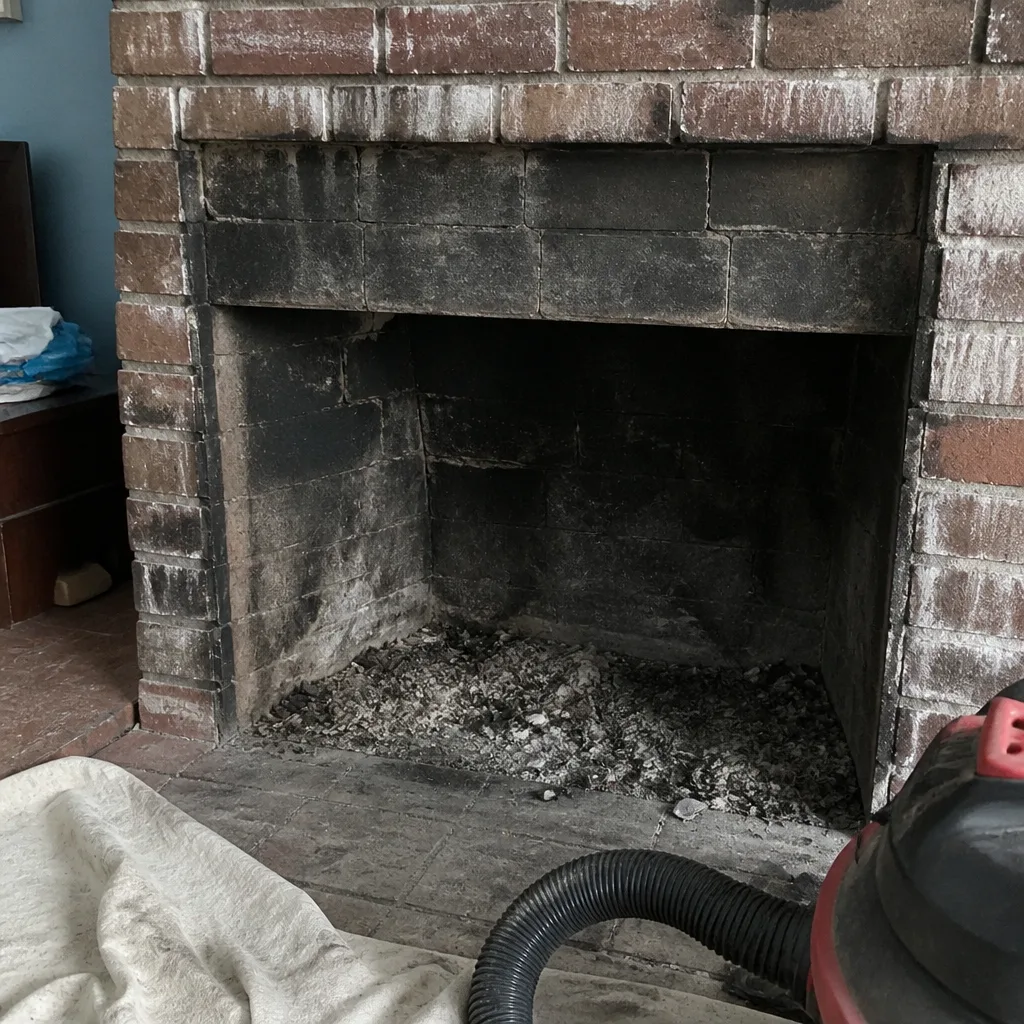 Before
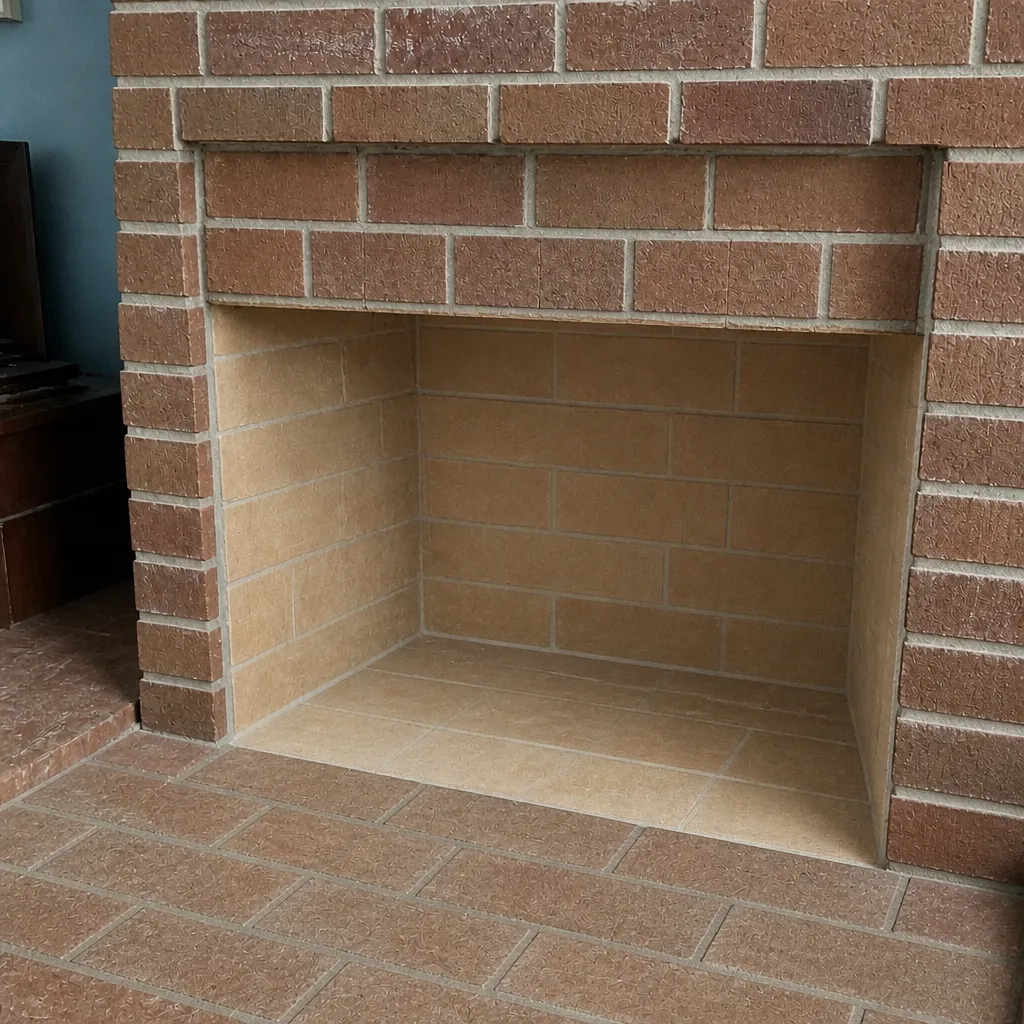 After
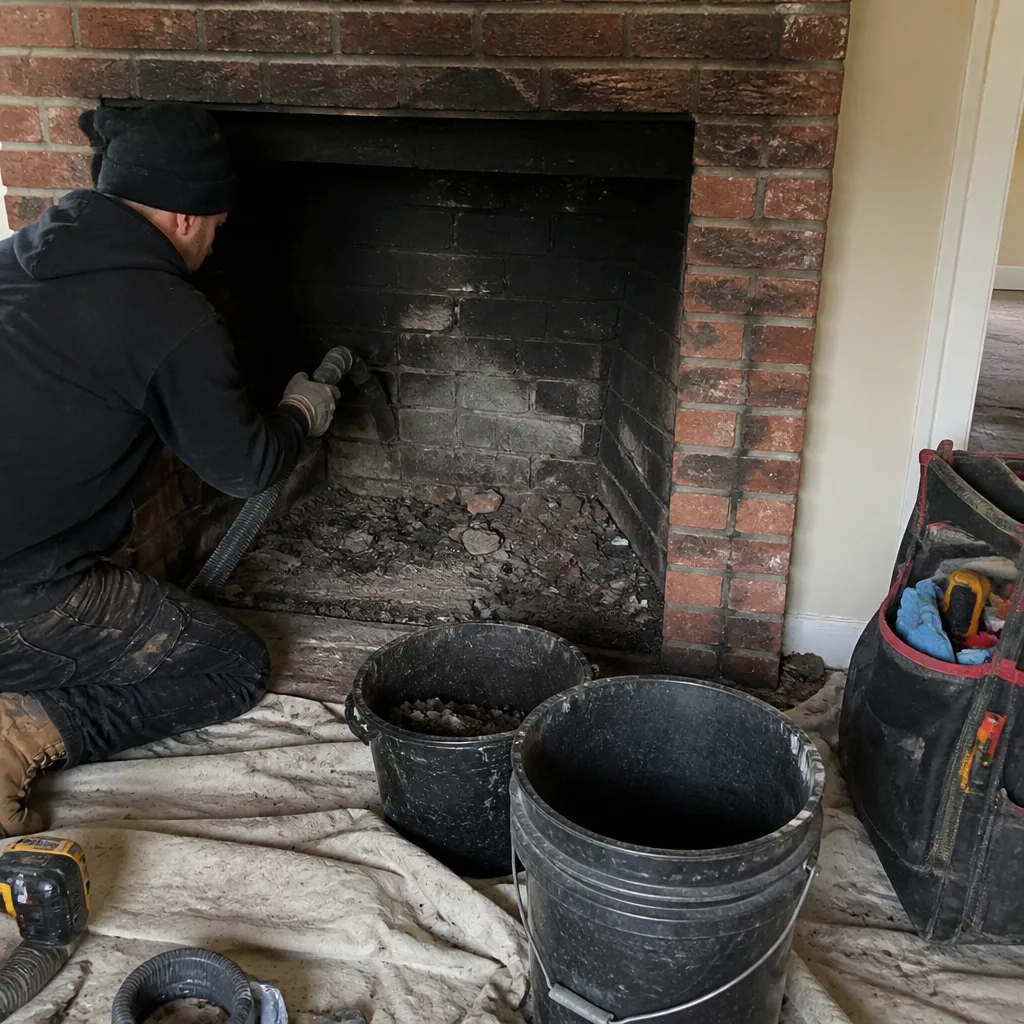 Before
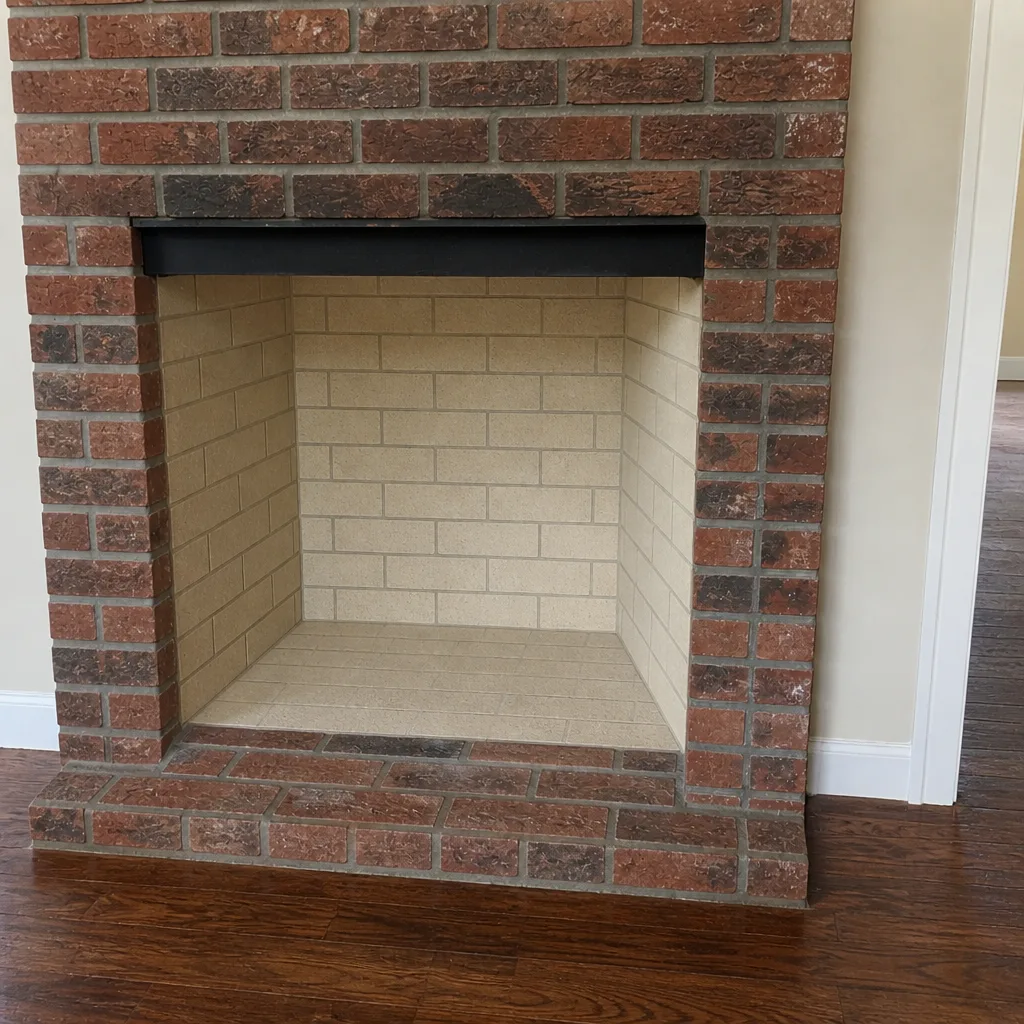 After
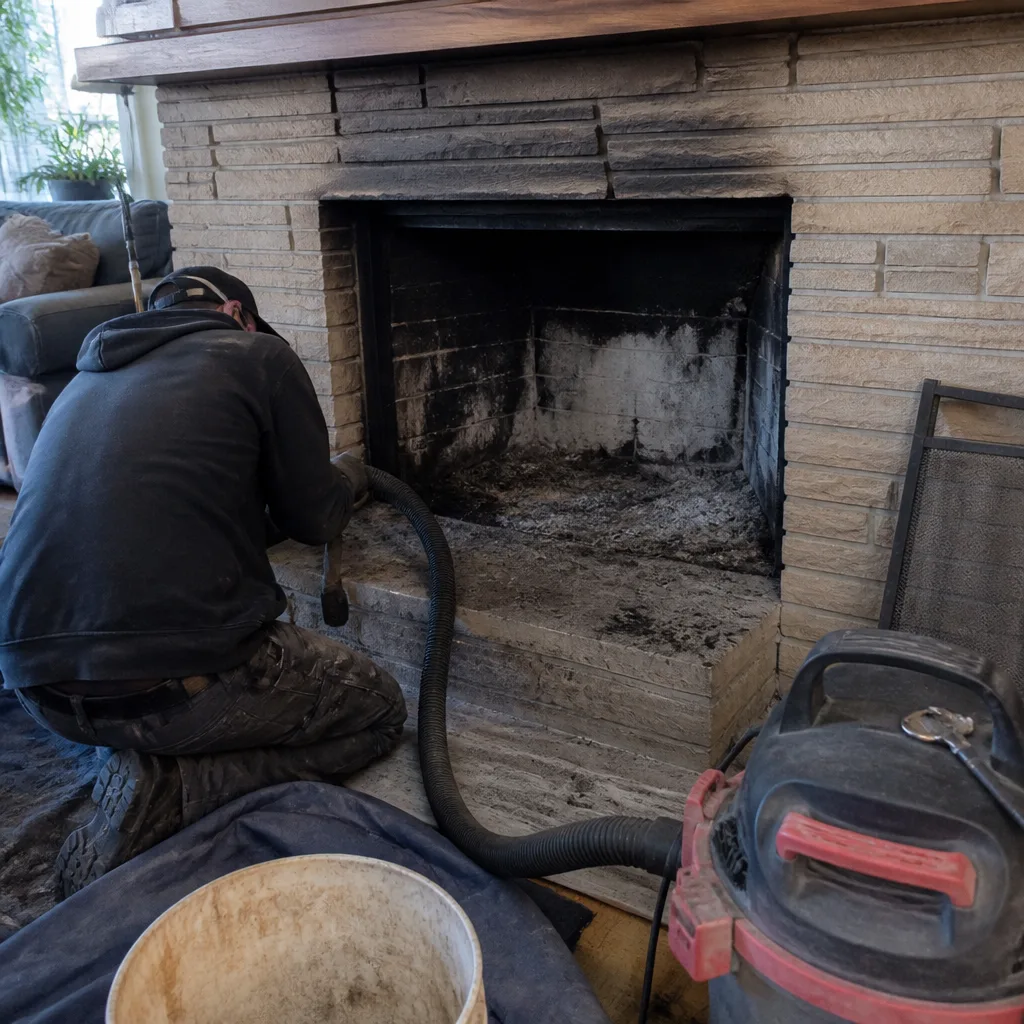 Before
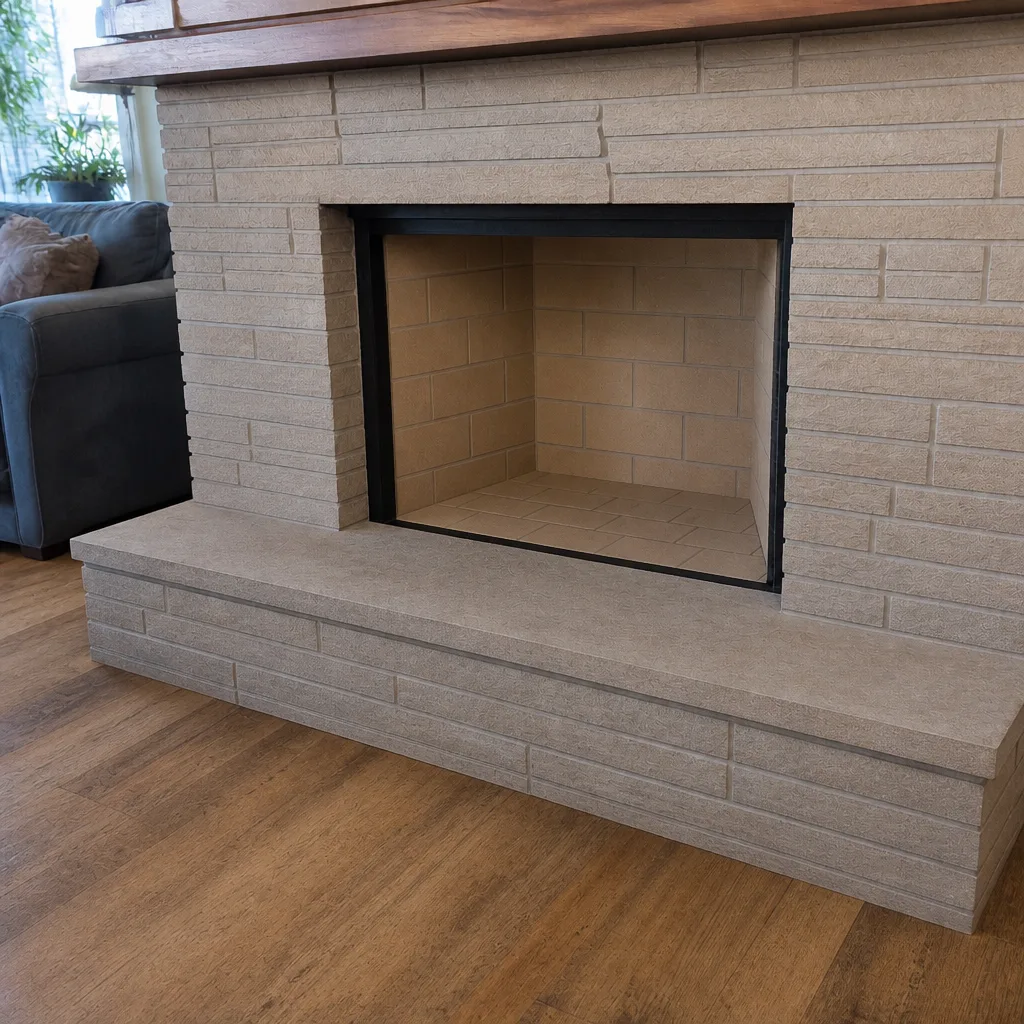 After
A decision framework for your own chimney
The honest way to settle the DIY question is not a general recommendation. It’s a short set of questions about your specific system. Answer these and the path usually becomes obvious. We don’t believe every homeowner needs a service every year, but we do believe every chimney deserves an answer to the questions below.
- What’s the fuel type? A gas fireplace used lightly produces little creosote and is the easiest case for a homeowner to keep up with. A wood-burning fireplace or stove produces real deposits and needs a real sweep.
- How often do you burn, and with what? A couple of fires a month burned with well-seasoned wood is a different situation than daily burning, and burning poorly seasoned wood accelerates creosote formation regardless of frequency. If you’re uncertain about your wood, treat every burn as one that adds second-degree risk.
- How old is the system, and how is the flue built? A pre-1980 Tacoma home with unlined or original terra cotta flue should get a professional inspection before a DIY sweep. A modern stainless liner is more forgiving.
- When was the last professional inspection? If it’s been several years, or you’ve never had one, start with an inspection. A sweep is a maintenance step. An inspection is what tells you whether the maintenance is enough.
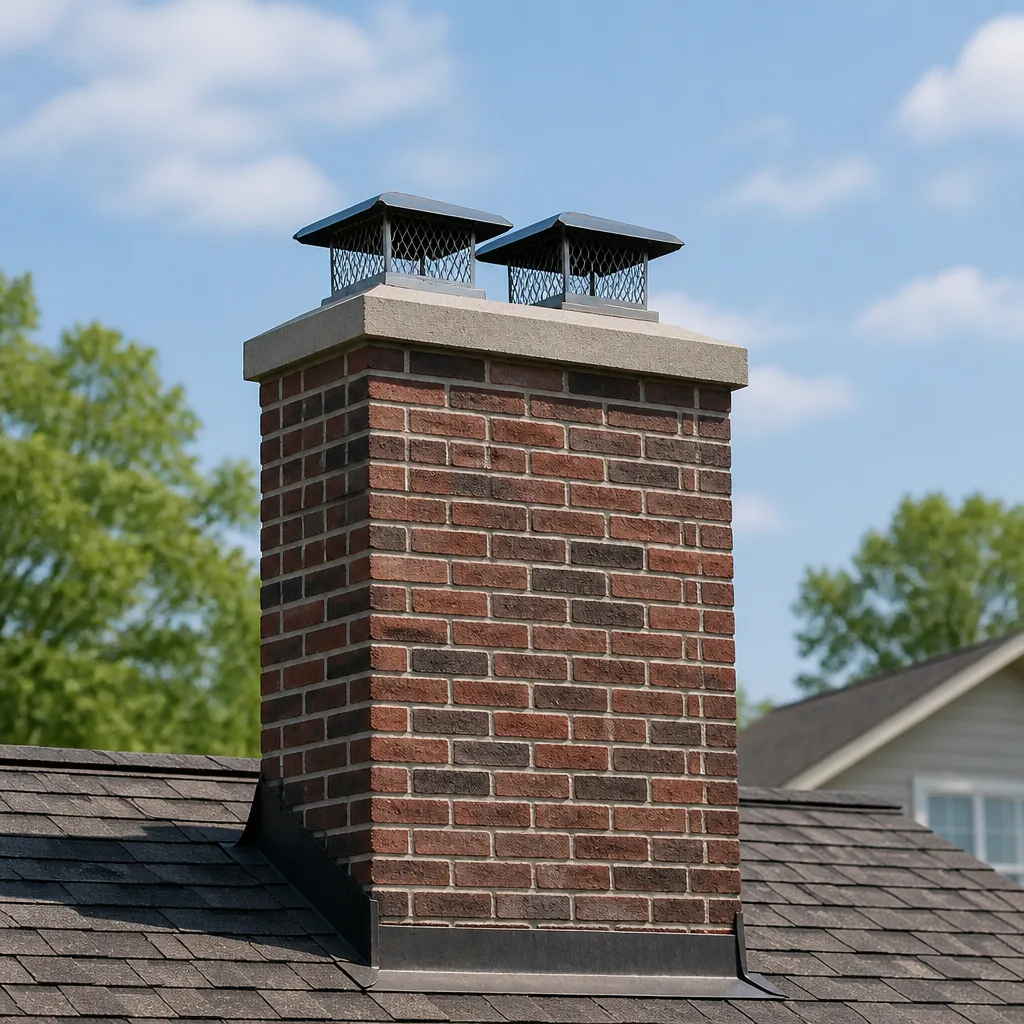
- What’s the visible condition? Look for crumbling mortar at the crown, a cap that’s loose or missing, rust on the damper, or black staining above the firebox. Any of these point to a professional look first. Our chimney cap & crown page covers what a failing crown or cap actually means for the flue below.
If the answers point to gas-only, light use, a sound modern liner, and a recent inspection, a careful DIY sweep between professional visits is reasonable. If they point to wood fuel, older construction, heavy use, or an inspection that’s overdue, the DIY sweep is where the risk enters. The framework isn’t built to talk you out of DIY. It’s built to make sure the DIY decision is made on the facts of your flue rather than the price of a brush kit.
What to check before you decide either way
You don’t have to climb onto the roof or reach into the firebox blindly to get a useful read on your system. A short visual check from the ground and from the fireplace opening gives you enough to make the decision, and it keeps you out of harm’s way. Keep it to observation. Anything inside the flue itself needs a trained eye.
- Look at the crown from the ground. Cracks, missing mortar, or a crown that’s pulling away from the flue allow water into the masonry, which damages the flue over time.
- Check that a cap is present and secure. A missing or loose cap lets rain, birds, and debris into the flue and is one of the most common findings on the first Tacoma inspection of an unfamiliar house.
- Watch for black staining or soot trails above the firebox opening or at the damper. Smoke escaping through the wrong path at the wrong place is a sign of a venting or flue problem.
- Note the condition of the firebox and the surround. Cracked refractory brick, loose mortar joints, or a surround that has separated from the wall are all reasons to have it looked at. Those are structural issues, not sweeping issues.
One safety point should be stated plainly. The components inside a chimney, and the structure around it, are not a place for exploratory repair. A damaged flue or firebox can let heat and carbon monoxide into a home without anything visible from the living room. If your check turns up anything on the list above, don’t reach for a tool. Book an inspection and let a trained professional evaluate it.
Common Mistakes to Avoid
- Assuming a clean firebox means a clean flue. The soot you can see tells you nothing about the glaze above it. The upper flue is where the risk lives, and it’s the part most DIY sweeps never reach.
- Brushing a pre-1980 unlined flue with a stiff kit. In a Tacoma house of that era, the flue may be original and already losing mortar. A rotary or stiff brush applied without inspection can free material and compromise the flue.
- Burning green or unseasoned wood to “use it up.” Wet wood drops the burn temperature and pushes creosote formation from first-degree toward glazed deposits faster than dry wood ever will. The savings on the wood get spent on the sweep.
- Skipping the inspection because you swept it yourself. A sweep and an inspection are different jobs. The brush maintains; the camera and draft test diagnose. Booking a sweep without the inspection leaves the important question unanswered.
- Ignoring a missing or damaged cap and crown. Water intrusion from a failed crown damages the flue structure from the top down, and a missing cap lets debris and animals in. It’s a repair, not a nuisance, and the repair cost grows the longer it sits.
- Trusting a generalist for a chimney-specific finding. A handyman or roofer who does chimney work on the side may not have the camera, the rotary system, or the liner knowledge the finding calls for. A single-trade specialist is the right person to read the flue.
When to Call a Professional
Call a professional the moment any of the following is true: you have glazed or tar-like creosote anywhere in the flue, your home has an unlined or original terra cotta flue, you’ve had a chimney fire, you smell smoke indoors with the damper open, you’ve noticed cracked firebox brick or a separated surround, or you simply don’t know when the last inspection happened. Those cases don’t resolve with a brush. Each one needs the camera, the rotary system, or a repair material like HeatShield or a DuraFlex liner, and each one is a reason to stop guessing. Tacoma Chimney Sweep offers free estimates in Tacoma. Call (833) 513-8117. We answer 24/7. Fast dispatch from 7am to 7pm, Sunday through Friday.
Frequently Asked Questions
Yes, for a light-use gas fireplace or a well-maintained wood stove with a modern liner and no creosote glaze, a careful DIY sweep is a reasonable maintenance step between professional inspections. The limit is diagnostic: a brush removes soot but can’t tell you whether the flue behind the soot is sound. If your home is pre-1980 or you don’t know the liner condition, book an inspection before you sweep.
You look, and the visible difference is straightforward once you know what to look for: first-degree is light and flaky, second-degree is dark and crusty, third-degree is glazed and tar-like. The trouble is you can’t see the upper flue with a brush in the way. A professional camera shows the exact stage and location. For an exact read, call (833) 513-8117 for a free estimate.
It can be. The danger isn’t the sweeping itself; it’s brushing an older or damaged flue and freeing material that then lodges or opens a path for heat. On a pre-1980 unlined or terra cotta-lined Tacoma chimney, that risk is real. If you’re unsure of the flue construction, have it inspected first.
Once a year is the standard working answer for a wood-burning system, and it’s a good schedule for a gas system as well so the cap, crown, and flue stay checked. Any year you burn heavily or burn unseasoned wood is a year to inspect before the burning season rather than after it.
There’s no rule that a homeowner can’t sweep their own chimney. What matters is what the sweep misses. If a professional later finds a cracked tile or glazed creosote, that’s a repair the DIY sweep didn’t cause, but it’s also a repair the DIY sweep couldn’t have caught. The right sequencing is an inspection first, then whatever maintenance the flue can safely take.
A generalist can run a brush. What a generalist usually can’t supply is the full diagnostic and repair set: the articulating camera, the rotary system for glazed creosote, draft testing, and the specialty materials for liner repair. When the camera turns up a problem, a chimney specialist has the repair path in-house; a generalist has to hand it off. Call (833) 513-8117 for an estimate, and we’ll walk you through what your system actually needs.
The Bottom Line
DIY chimney cleaning isn’t wrong; it’s incomplete. It handles first-degree soot and stops there, and the part it can’t reach is the part that decides whether your flue is safe. In Tacoma, the housing stock makes that gap matter more, because pre-1980 homes are far more likely to hide an unlined or aged terra cotta flue behind a firebox that looks fine. Base your decision on the flue, not the brush kit: fuel type, burn frequency, system age, and last inspection date. A professional sweep and inspection gives you the camera, the rotary system, and the repair capability when the reading is bad. If you’re not sure which side of the line you’re on, book the inspection.
Call (833) 513-8117 for a free estimate. We answer 24/7. Fast dispatch from 7am to 7pm, Sunday through Friday.
Written by the team at Tacoma Chimney Sweep.