
Last updated November 24, 2026
 Sweep & inspection
 Caps & crowns
 Flue relining
 Masonry repair
 Gas fireplace service
Level 1 sweep and inspection to the NFPA 211 annual standard - flue, crown, cap, and flashing checked and photographed
Chimney sweep logs do not sweep chimneys. They loosen some creosote - which then falls where a brush and vacuum still have to collect it.
Chimney Sweep Troubleshooting in Tacoma: Common Problems and How to Fix Them
A smoky living room doesn’t always mean a dirty flue. In Tacoma‘s mild, wet climate, the culprit is just as likely to be negative air pressure from a tightly weatherized house as it is creosote buildup, and treating the wrong one makes the problem worse. We’ve seen homeowners spend money on a sweep when what they actually needed was more combustion air, or chase a draft problem when the real issue was a cracked crown letting water into the masonry. This guide walks through the common chimney problems Tacoma homeowners run into, how to read the symptoms before anyone shows up, and which fixes actually address the cause. You’ll learn a symptom-to-cause decision tree built on how chimneys really work.
Quick Answer
Most chimney problems in Tacoma come down to one of four things: draft failure (often negative pressure in a weatherized home), a blockage from creosote, debris, or animals, a cold flue that won’t prime, or a flue that’s too short for the appliance. Smoke backdraft, weak draw, and odd smells each point to a specific cause you can narrow down before a technician arrives. A camera inspection and photo report confirm the diagnosis, and the written estimate sets the price before any work begins.
Styles & brands we work with
- Sweep & inspection
- Caps & crowns
- Flue relining
- Masonry repair
- Gas fireplace service
Table of Contents
- The Four Draft Failures and How to Tell Them Apart
- Reading the Smells: Creosote, Animals, and Masonry Decay
- Why the Newspaper Test Misleads You
- Symptom-to-Cause Matrix: DIY, Sweep, or Inspection?
- Tacoma’s Wet Climate and Masonry Spalling
- Caps, Crowns, and Water Entry
- When a Liner Problem Is Really the Problem
- A Simple Seasonal Routine
The Four Draft Failures and How to Tell Them Apart
Draft is the engine of a chimney. Warm exhaust rises because it’s lighter than the cool air around it, and the chimney’s height and the tightness of your house both shape how well that works. When draft fails, smoke spills into the room instead of going up. There are four distinct causes, and each has a different fix. Telling them apart is the first step in troubleshooting any chimney problem in Tacoma.
- Negative pressure. Modern homes are sealed tight with new windows, weatherstripping, and insulation. When the house can’t pull in enough replacement air, the chimney becomes a return duct and pulls smoke back down. Symptoms show up on windy days or when the kitchen or bath fan runs. The fix is usually making up combustion air near the appliance, not sweeping.
- Blockage. Creosote buildup, a bird nest, a collapsed tile, or a forgotten debris pile narrows the flue and chokes the draft. Symptoms are steady across weather and worse as the fire grows. This one calls for camera inspection and a sweep.
- Cold flue. A chimney that hasn’t been used in months sits at outdoor temperature. The first fire struggles to overcome the cold plug of air in the flue. Symptoms are smoke on startup that clears once the fire is hot. A pre-warm helps here.
- Insufficient flue height. A flue that ends too close to the roofline or a neighboring structure can’t pull. Symptoms are chronic and worse in certain wind directions. Fixing this means extending the flue or adding a proper cap.
Many Tacoma homes built or renovated in the last few decades fall into the negative-pressure category because weatherization tightened them up. Marine air rolling in from Puget Sound doesn’t cause draft problems, but the cool, humid air does make a cold flue more stubborn to prime. If your smoke issue clears after ten minutes of burning, you’re probably looking at a cold flue, not a dirty one.
Reading the Smells: Creosote, Animals, and Masonry Decay
Chimney smells carry diagnostic information. A musty, acrid smell in summer often means creosote is absorbing humidity and releasing it back into the room. A sharp, ammonia-like smell points to animal intrusion, usually birds or squirrels nesting in the flue. An earthy, damp smell with a gritty texture near the firebox suggests masonry decay. Each one tells you something different about the structure.
- Creosote smell. A campfire-like or tar-like odor that intensifies on humid days. Creosote is a natural byproduct of wood smoke and glazes the flue over time. If it’s been more than a season since the last sweep, this is the likely culprit.
- Animal intrusion. Birds, squirrels, and raccoons love an open flue. The smell is sharp and persistent, often accompanied by scratching or flapping sounds. A properly fitted cap prevents this entirely.
- Masonry decay. A damp, earthy smell near the firebox with crumbling mortar or white efflorescence on the brick signals water intrusion. Left alone, this becomes a liner problem.
- Gas fireplace smell. A faint sulfur or rotten-egg odor from a gas log set is a safety issue. Shut it off and have it inspected before using it again.
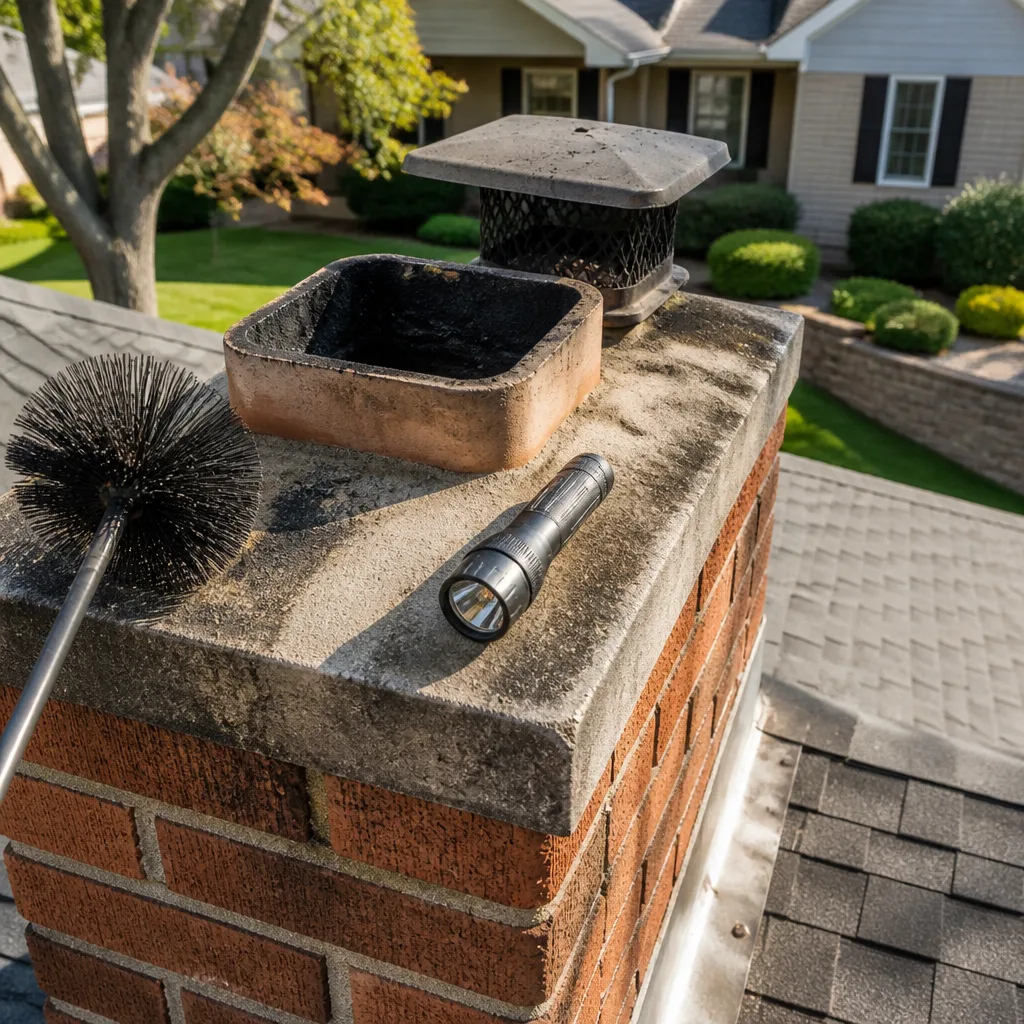
Smell is a starting point, not a diagnosis. A camera inspection shows you exactly what’s inside the flue and lets you see the evidence for yourself before anything is recommended. Chimney sweep service with a photo report gives you that visibility, whether the cause turns out to be creosote, a nest, or something structural.
Why the Newspaper Test Misleads You
Search for chimney troubleshooting and you’ll find instructions to light a rolled-up piece of newspaper and hold it near the damper to “test the draft.” The test seems simple, but it causes problems. A burning newspaper releases ash and embers that drift onto the smoke shelf or the top of the damper, where they can smolder or send soot back into the room. The flame also warms the air unevenly and creates a draft that isn’t representative of how your appliance actually burns. It’s a bad test with a real safety downside.
Here’s what to do instead. Before lighting anything, open the damper fully and look up with a flashlight to confirm the flue is clear. Then light your normal fire with dry, seasoned wood and watch the first several minutes. If smoke curls back into the room right after ignition and then clears, you’re looking at a cold flue. If it persists as the fire grows, you have a draft or blockage issue that needs professional attention. Log the symptoms: when it happens, what the weather’s like, whether fans are running. That log is more useful to a technician than any newspaper test.
For homes on Tacoma’s older residential blocks, where cast-iron dampers and masonry flues are common, the damper sometimes sticks halfway open. That alone can cause poor draw. A fireplace repair visit confirms whether the damper needs adjustment before you attribute the problem to creosote.
Symptom-to-Cause Matrix: DIY, Sweep, or Inspection?
Not every symptom requires the same response. Some are DIY-addressable, some call for a sweep, and some need a Level 2 camera inspection to see what’s going on inside the flue. Use this matrix to get oriented.
| Symptom | Likely Cause | Next Step |
|---|---|---|
| Smoke on startup, clears after a few minutes | Cold flue | DIY: pre-warm the flue before each fire |
| Smoke whenever a kitchen or bath fan runs | Negative pressure | DIY: crack a window near the appliance; professional: add combustion air |
| Steady smoke, gets worse with the fire | Blockage | Sweep with camera inspection |
| Musty, acrid smell on humid days | Creosote buildup | Sweep |
| Sharp smell, scratching sounds | Animal intrusion | Sweep and install a cap |
| Damp smell near firebox, crumbling mortar | Masonry decay / water entry | Level 2 inspection |
| Water stains on the ceiling or firebox | Crown or cap failure | Level 2 inspection and chimney cap & crown repair |
| Weak draw, worse in certain winds | Insufficient flue height | Level 2 inspection |
If the matrix points to a sweep or inspection, that’s the point where a professional visit saves money. If it points to a DIY fix, try that first and see if the symptom changes. The Tacoma Chimney Sweep team can take it from there if the DIY step doesn’t resolve things.
Tacoma’s Wet Climate and Masonry Spalling
Tacoma’s wet climate is hard on brick. Water soaks into the masonry surface, freezes during an occasional cold snap, and expands, pushing flakes and chunks off the brick face. This is spalling, and the first place you’ll see it is often the firebox, where moisture wicks up from the foundation and lingers. Spalling brick in the firebox is a warning sign that water has been getting in for a while, and it often precedes a liner problem.
Here’s how to check from the firebox. Look for flaking brick faces, crumbly mortar joints, or white chalky deposits (efflorescence) on the brick. Efflorescence is salt pushed out as water evaporates, and it’s a reliable indicator that moisture is moving through the masonry. If you see it inside the firebox or around the smoke chamber, that’s your cue to schedule a Level 2 inspection rather than a routine sweep.
Left unchecked, spalling works its way outward. Once a masonry chimney’s brick face fails, water finds its way to the clay tile liner, and the liner cracks. From there the water has a path to the attic and the interior. In Tacoma, where the rainy season is long and the dry months are short, catching spalling early is what separates a small repair from a full reline. If the firebox shows visible brick decay, get it inspected before the next burning season rather than after.
Caps, Crowns, and Water Entry
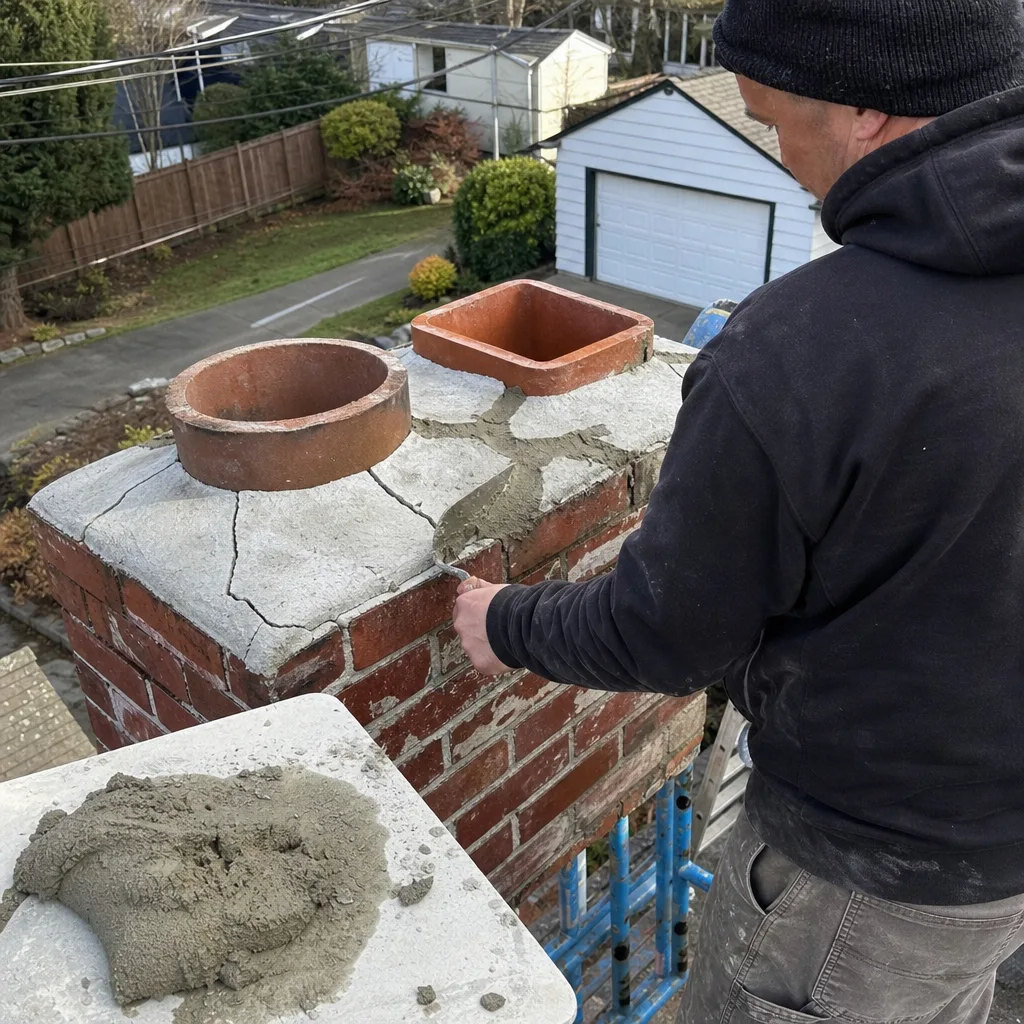
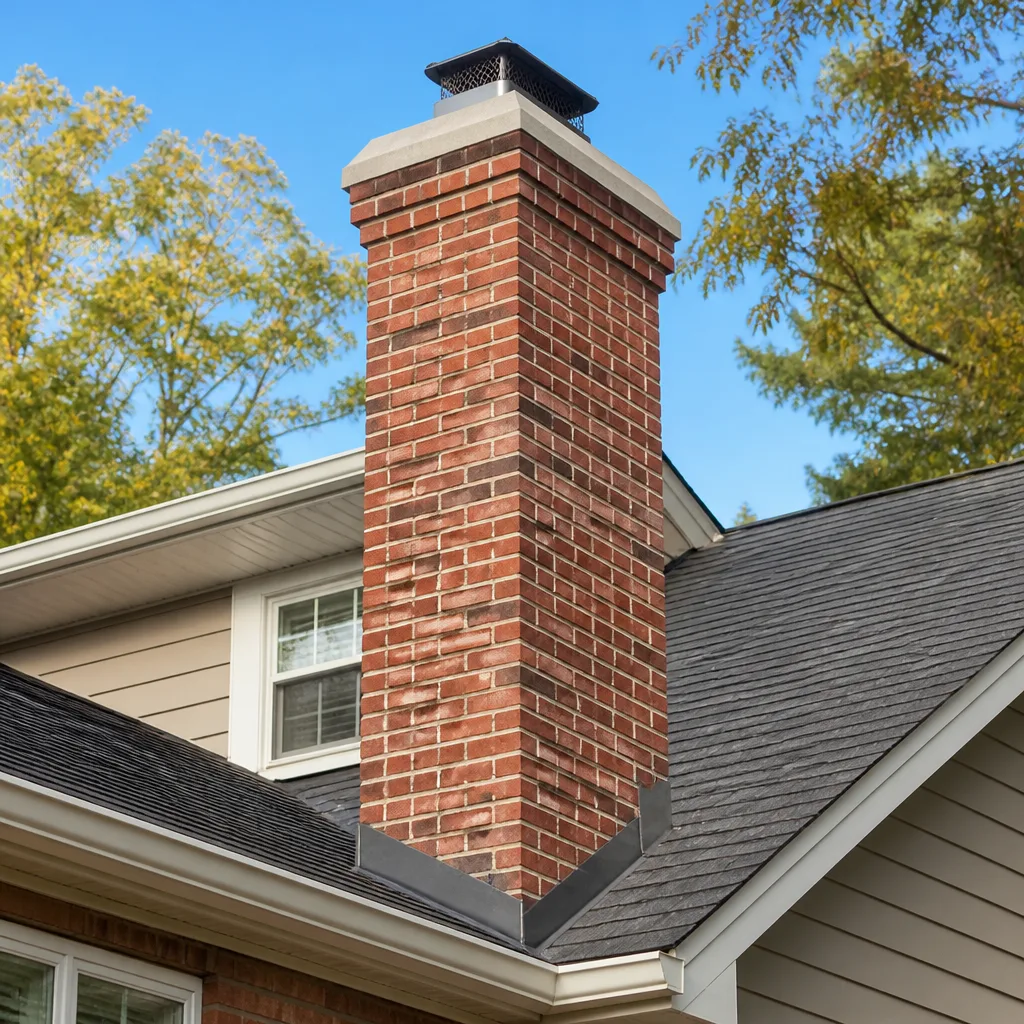
Water is the leading cause of chimney damage, and cap and crown failures are the most common entry points. The crown is the sloped concrete surface at the top of the chimney that sheds water away from the flue. The cap shelters the flue opening from rain and animals. If either has failed, water has a direct path down the flue and into the masonry.
Look for these warning signs from the ground:
- Cracks, chips, or missing pieces on the crown’s surface.
- A crowning slope that’s flat or worse, sloping toward the flue.
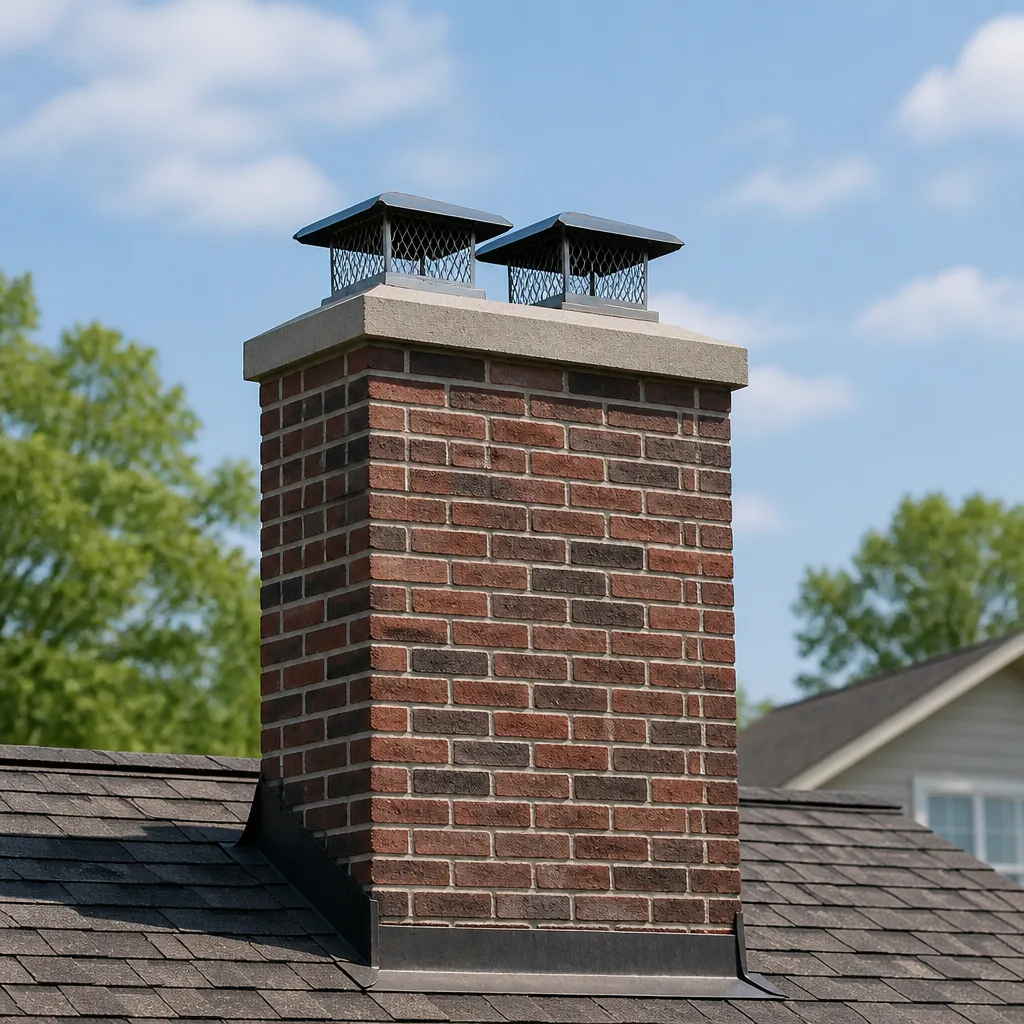
- A cap with rusted mesh, missing panels, or a loose fit.
- Water stains on the ceiling near the chimney.
- A metal cap that’s bent or has pulled loose in a windstorm.
A proper crown is pitched, sealed, and cured to shed water off the top of the chimney. A proper cap is fitted to the flue and fastened down. Both jobs use professional-grade materials, not the flimsy caps sold at big-box stores, which is why a trained chimney specialist should handle them. We install caps made by Gelco and Olympia Chimney, and crowns built to last against Tacoma’s rain. If your current cap or crown looks worn, have it checked before winter.
When a Liner Problem Is Really the Problem
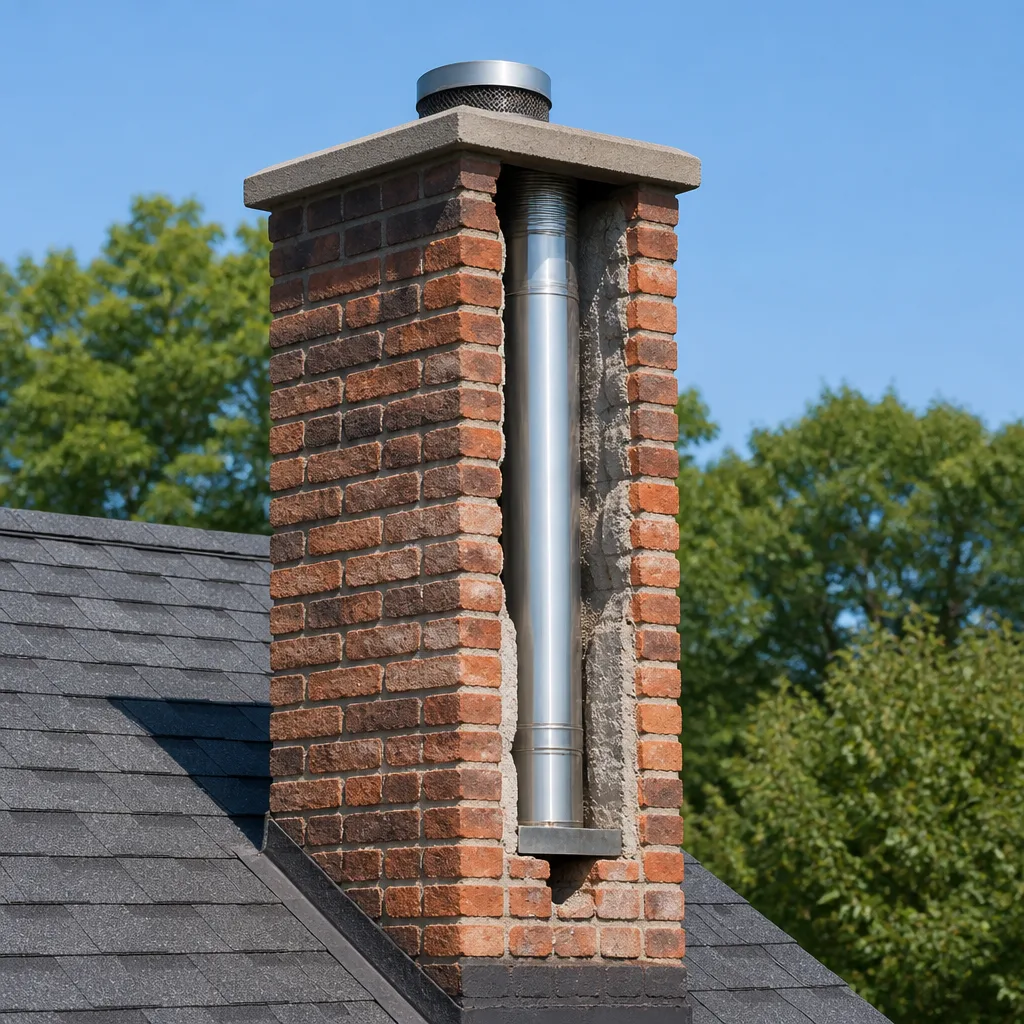
When you’ve ruled out draft, smells, and water entry and the symptoms still point inward, the flue liner is often the cause. A cracked clay tile liner lets combustion gases and moisture leak into the masonry and eventually the house. A liner that’s the wrong size for the appliance causes chronic weak draft. A flue with heavy glazed creosote can’t be properly cleaned without damaging the tiles.
Liner work falls into three broad repair paths:
- Resurface. A HeatShield application restores flue integrity by resurfacing the existing liner with a durable compound. This is a technically demanding process that many generalist sweeps can’t perform, and it’s a good option when the existing liner is structurally sound but has cracks or gaps.
- Relining. When the existing liner is deteriorated beyond resurfacing, a flexible liner system like DuraFlex is installed inside the flue. It’s a less invasive path than full demolition and rebuild, and it restores a safe, code-compliant flue.
- Full rebuild. A flue with failed structural masonry sometimes needs a partial or full rebuild, particularly where spalling has undermined the brick.
The right path depends on what the camera shows. Nothing gets recommended without visual evidence you can see for yourself, and if the repair can wait a season, we’ll tell you. The written estimate sets the final price, and the camera inspection and photo report are part of the job.
A Simple Seasonal Routine
Most chimney problems in Tacoma are cheaper to prevent than to fix. A simple routine through the year keeps the flue safe and gives you a baseline to compare against if something changes.
- Before the burning season, book a sweep and inspection. Late summer or early fall is the right time to get ahead of the rainy season. A camera inspection catches liner cracks and creosote buildup before you start burning.
- Check the cap and crown from the ground. Look for cracks in the crown and a loosened or damaged cap. Any visible damage warrants a professional look.
- Burn dry, seasoned wood. Wood with high moisture content produces more creosote. Season it under cover for at least a year.
- Keep the damper working properly. A damper that sticks or won’t close fully wastes heat and lets humid air into the flue in summer.
- Watch for changes in smell or draft. If a familiar fire suddenly smokes or smells different, that’s the signal to schedule an inspection.
Homes in Tacoma with wood-burning fireplaces used regularly through the winter will typically need a sweep once a year. Homes that burn occasionally may go a season or two between sweeps, but annual inspections are still worth doing to catch liner and masonry problems early.
Common Mistakes to Avoid
- Treating every smoke problem as a creosote problem. In a weatherized Tacoma home, negative pressure is just as common a cause. Sweeping a chimney that’s already clean doesn’t fix draft.
- Lighting a newspaper to test the draft. The test sends ash and embers where they don’t belong and doesn’t tell you how the chimney performs under a real fire.
- Ignoring smells in summer. A musty smell in July often means creosote has absorbed moisture or an animal has moved in. Deal with it before the burning season starts.
- Putting off crown repairs. A cracked crown lets water into the masonry, and in Tacoma’s wet climate that water does damage fast. Fix crowns before the rainy season.
- Installing a big-box cap. Cheap caps rust out, don’t fit tight, and often make animal intrusion worse. Professional-grade caps from Gelco or Olympia Chimney hold up.
- Assuming a cracked liner can wait. A liner that’s leaking combustion gases is a safety issue, not a maintenance item. Get it inspected promptly.
- Skipping the camera inspection. Sweeping alone doesn’t reveal liner cracks or spalling. Ask for a Level 2 inspection with photo evidence before any liner work is recommended.
See the difference
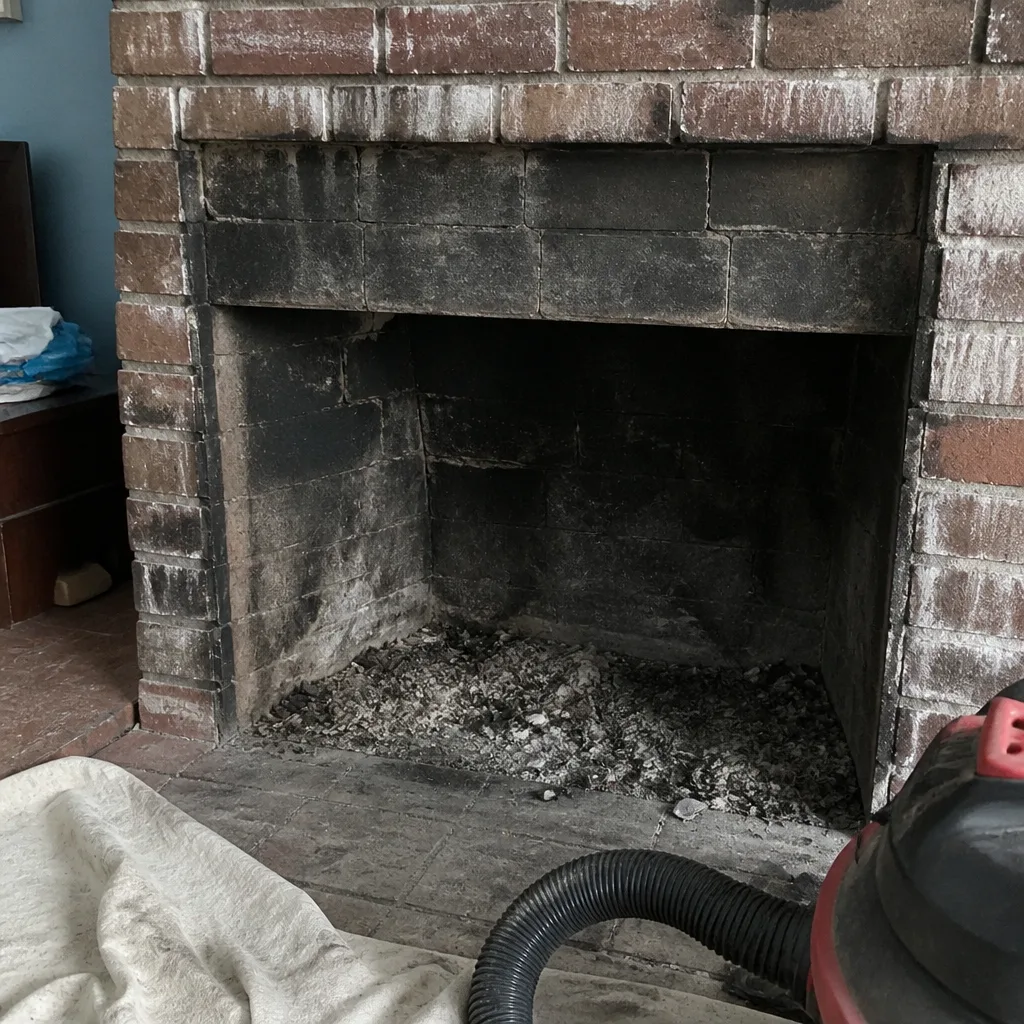 Before
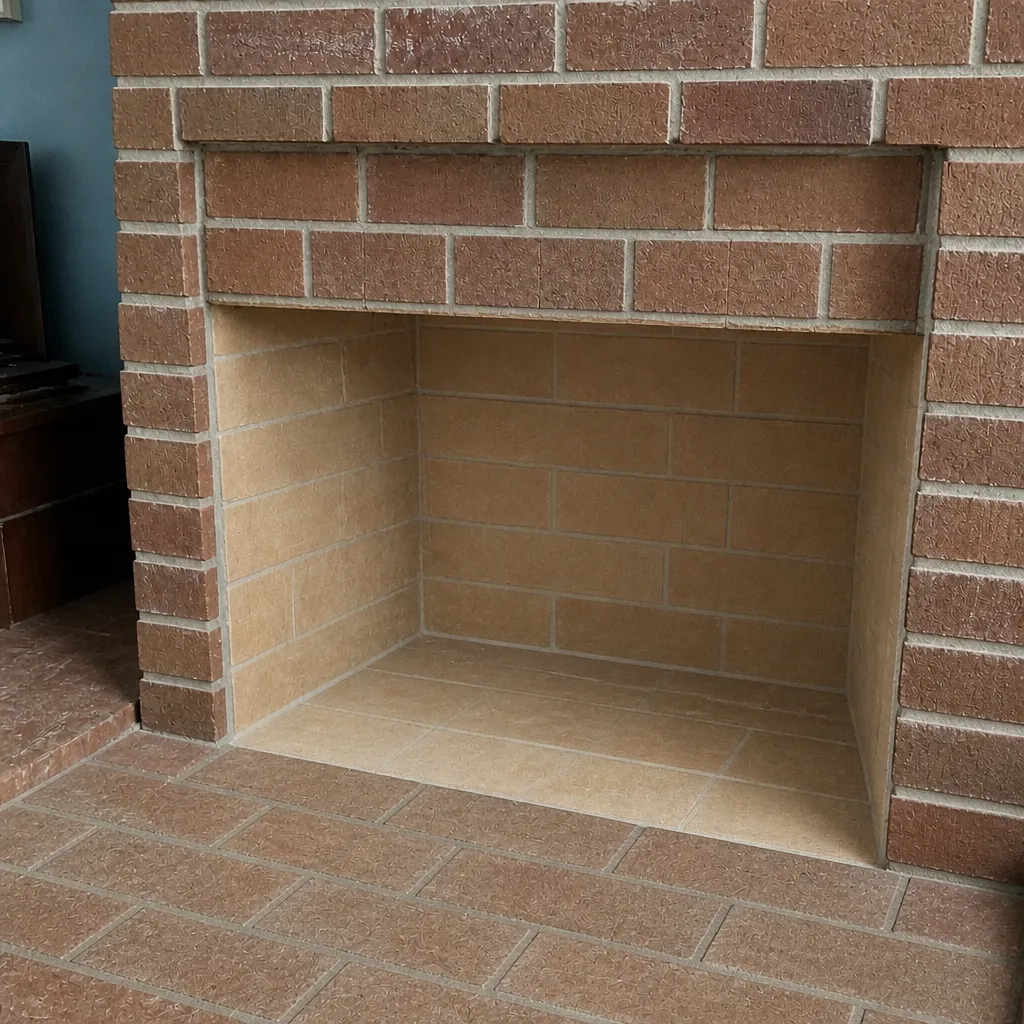 After
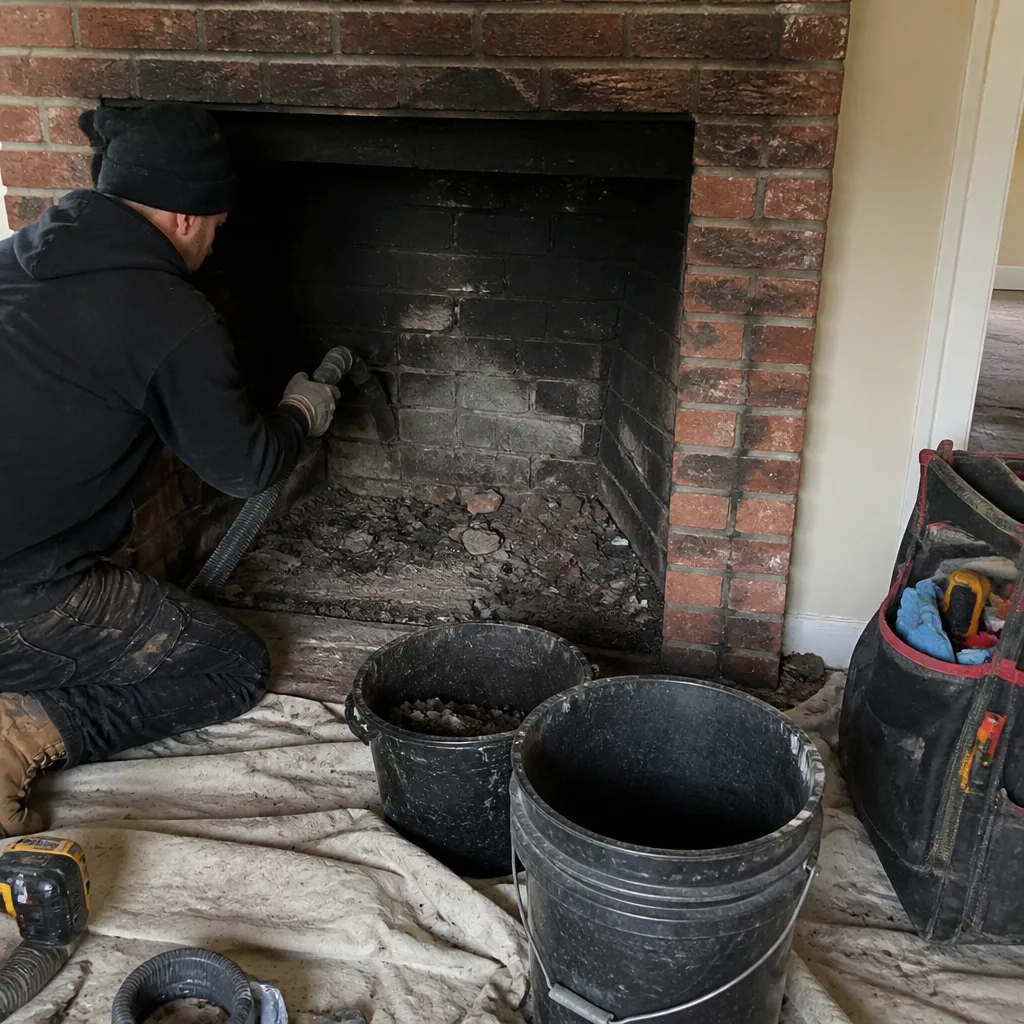 Before
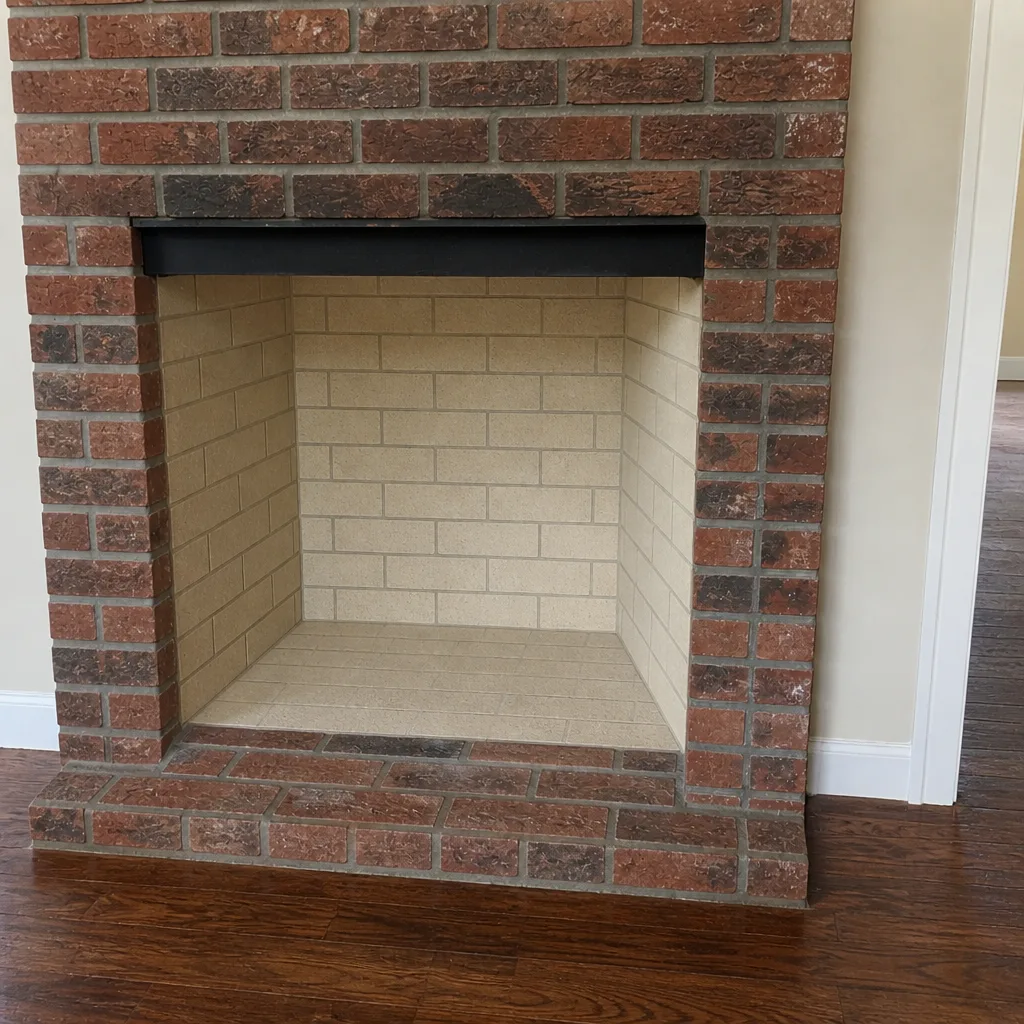 After
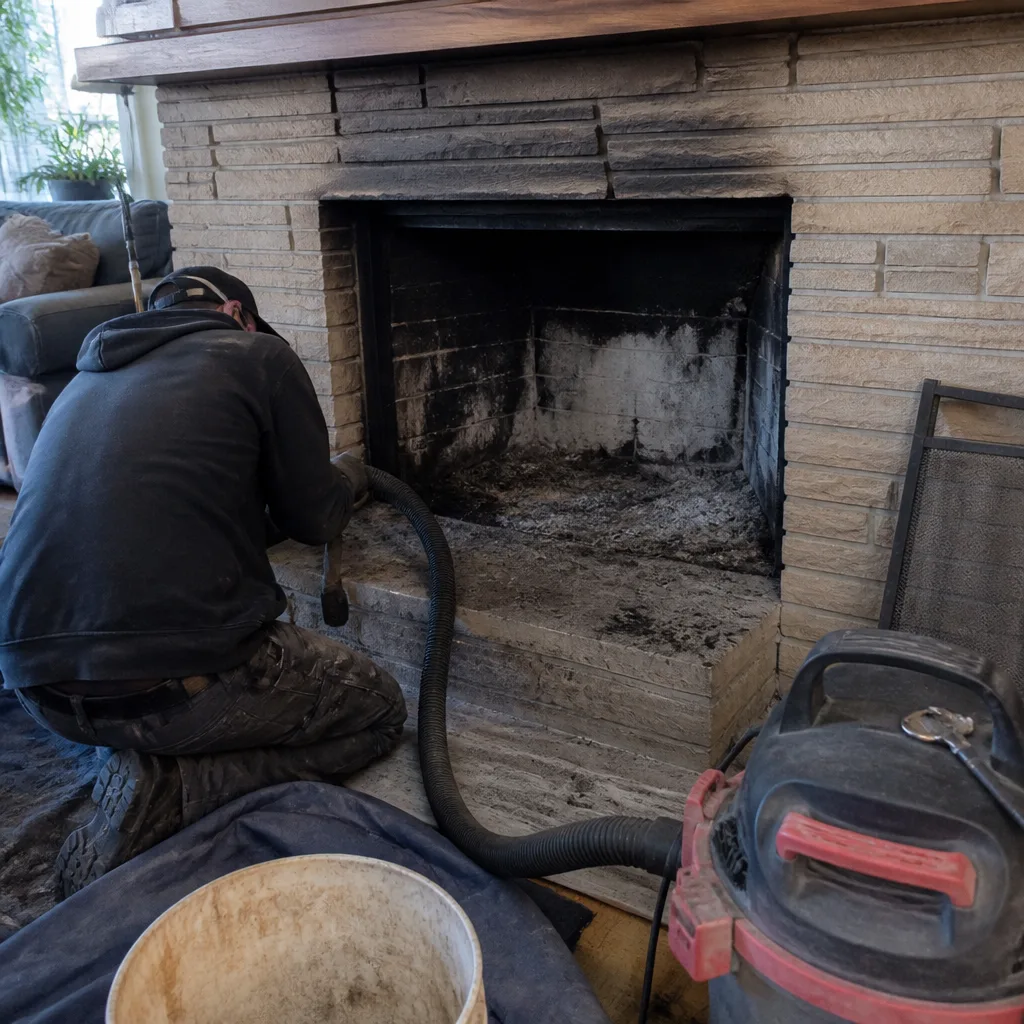 Before
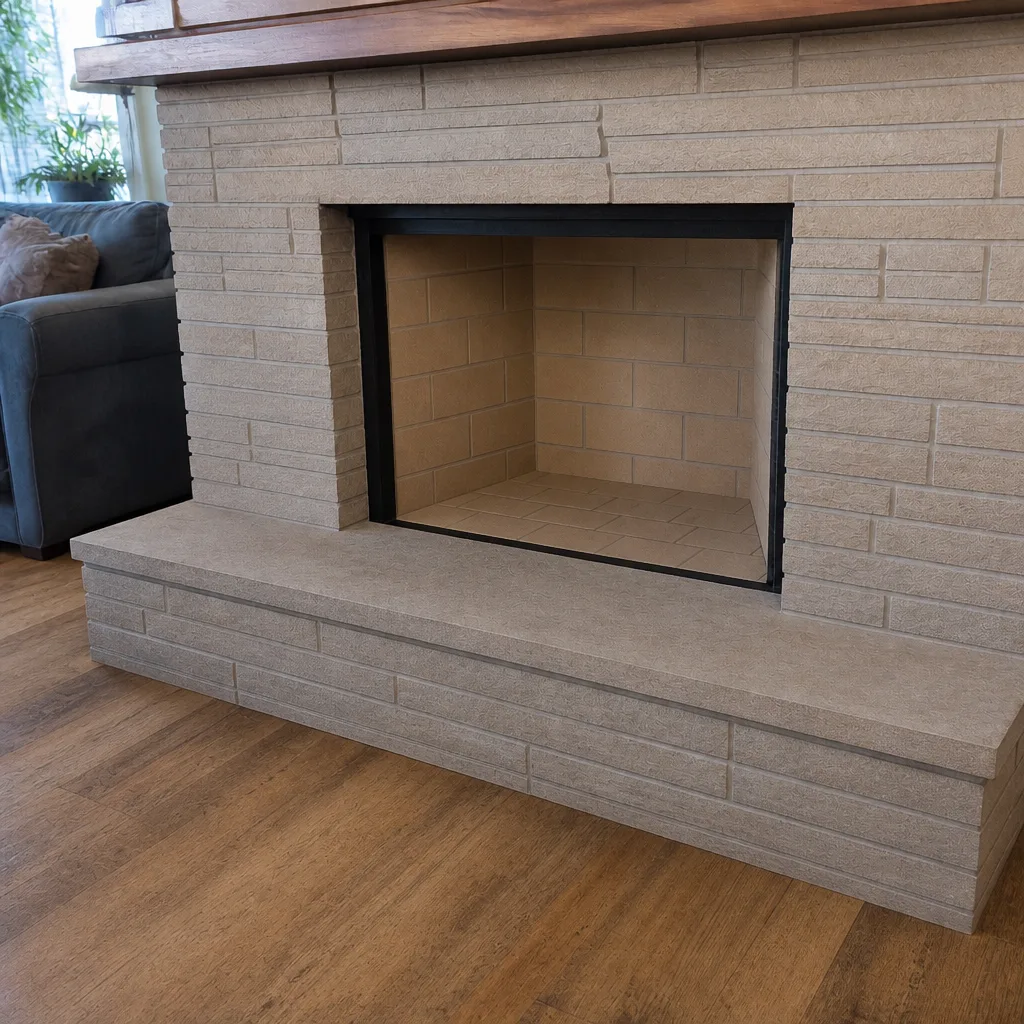 After
When to Call a Professional
Call a professional whenever smoke persistently backdrafts, whenever you smell gas or a strong creosote odor that doesn’t clear, whenever you see water stains or spalling brick, or whenever it’s been more than a year since a sweep. Any of those signals merit a visit rather than a DIY attempt. Our technicians have up to 14 years of experience with chimney-specific troubleshooting, and we can walk you through what to look for over the phone before anyone comes out. Tacoma Chimney Sweep offers free estimates in Tacoma. Call (833) 513-8117. We answer 24/7. Fast dispatch from 7am to 7pm, Sunday through Friday.
Frequently Asked Questions
If smoke clears after the first several minutes of burning, it’s usually a cold flue. If smoke persists and gets worse as the fire grows, it’s likely a blockage or creosote issue. If smoke appears whenever a fan runs or on windy days, it’s usually negative pressure. A camera inspection confirms the diagnosis. Call (833) 513-8117 for an exact quote.
Summer chimney smells usually come from creosote absorbing humidity and releasing it back into the room, or from animals nesting in the flue. A musty, acrid smell points to creosote. A sharp smell with scratching sounds points to animals. A sweep and cap will resolve either one. Call (833) 513-8117 for an exact quote.
Spalling brick in the firebox means water has been getting into the masonry and pushing the brick face off. It often precedes a liner problem. In Tacoma’s wet climate, spalling should be inspected before the next burning season rather than after. Call (833) 513-8117 for an exact quote.
A cracked liner is a safety issue and shouldn’t wait. Combustion gases can leak through a crack into the masonry and into the house, and water can follow the same path. Get it inspected with a camera and see the evidence before deciding. Call (833) 513-8117 for an exact quote.
Sweep once a year if you burn wood regularly through the winter, and inspect annually even if you burn occasionally. Tacoma’s wet climate makes annual inspections worth the effort to catch masonry and liner problems early. Call (833) 513-8117 for an exact quote.
Smoke after a sweep usually means the problem wasn’t creosote. Negative pressure, a cold flue, insufficient flue height, or a partially open damper can all cause smoke even in a clean flue. A Level 2 inspection narrows it down. Call (833) 513-8117 for an exact quote.
The Bottom Line
Most chimney problems in Tacoma have a specific, diagnosable cause. Draft failures, smells, spalling, and liner cracks each point to a different repair, and the cheapest way to fix the wrong one twice is to skip the diagnosis. Use the symptom-to-cause matrix to get oriented, avoid the newspaper test, and get a camera inspection with photo evidence before agreeing to any liner or masonry work. If the repair can wait, we’ll say so. When it can’t, restore, reline, or repair with professional-grade materials from a chimney-only specialist will always beat a generalist guess.
Call (833) 513-8117 for a free estimate. We answer 24/7. Fast dispatch from 7am to 7pm, Sunday through Friday.
Written by the team at Tacoma Chimney Sweep.