
Last updated November 24, 2026
 Sweep & inspection
 Caps & crowns
 Flue relining
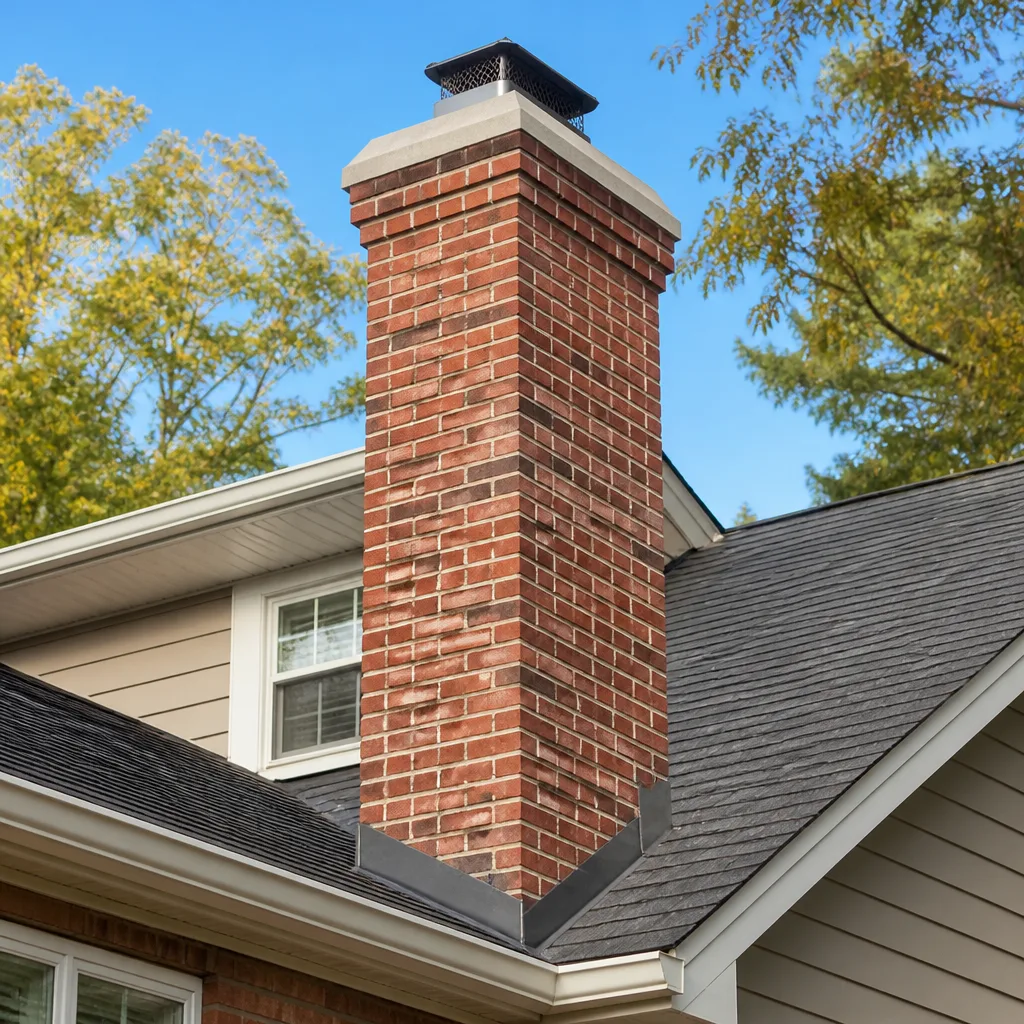 Masonry repair
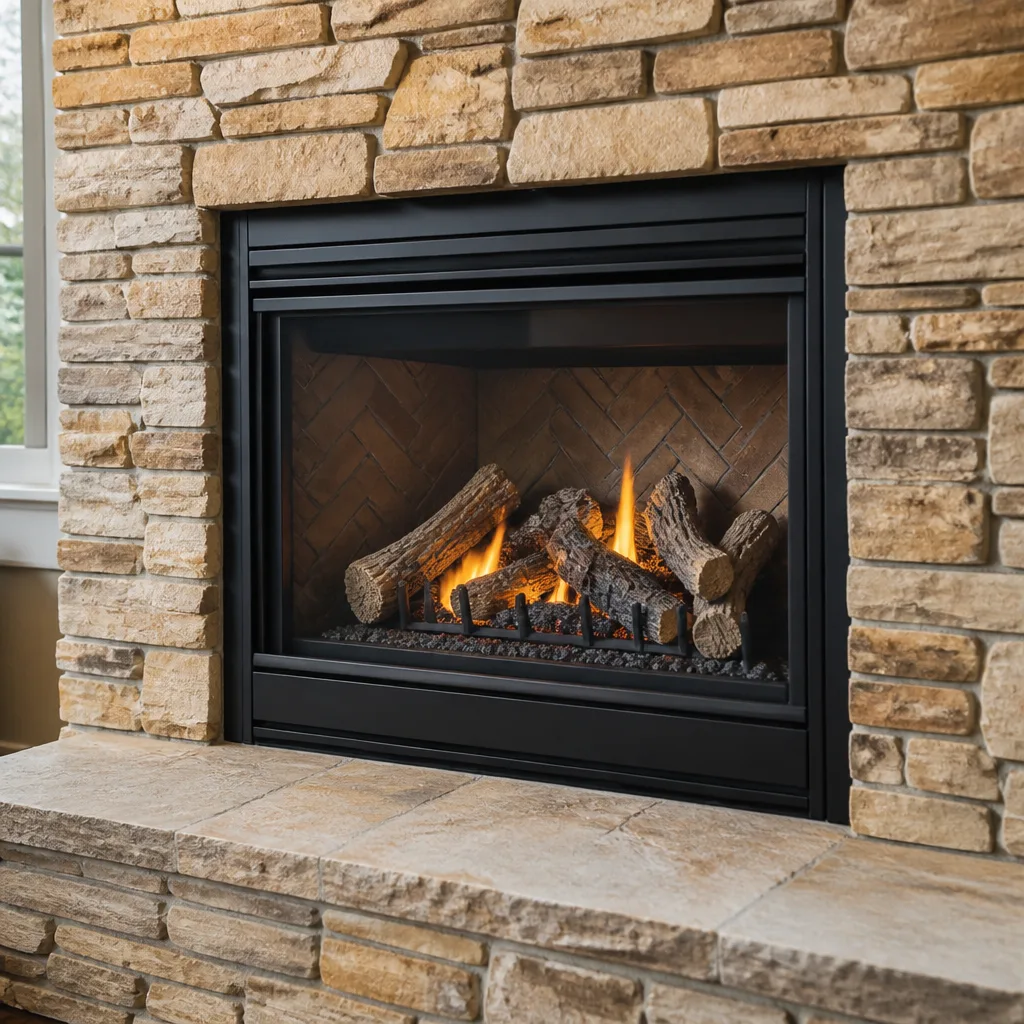 Gas fireplace service
Level 1 sweep and inspection to the NFPA 211 annual standard - flue, crown, cap, and flashing checked and photographed
Chimney sweep logs do not sweep chimneys. They loosen some creosote - which then falls where a brush and vacuum still have to collect it.
Choosing the Right Chimney Cleaning Brand: A Buyer’s Guide for Tacoma
Stand in the chimney aisle of a Tacoma hardware store and you’ll see caps stamped from the same gauge steel as the ones a chimney specialist installs. The resemblance stops at the shelf. Professional-grade caps carry tighter mesh, welded seams, and a design that sheds water instead of trapping it. Those differences rarely announce themselves on the package, but they show up fast in a climate that delivers steady rain from fall through spring and drops needles, leaves, and twigs down every open flue. This guide covers the product categories worth having an opinion about – caps, sealers, creosote treatments, and liner repair materials – and the specification details that separate a product that lasts from one that fails. You’ll learn how to read a contractor’s material choices and what to ask before anyone touches your chimney in Tacoma.
Quick Answer
The right chimney cleaning and repair products for Tacoma are professional-grade components chosen for your specific flue, not the most heavily marketed brand on a store shelf. A 20-gauge welded stainless cap with proper mesh, a vapor-permeable masonry sealer, a creosote treatment used as a brushing aid rather than a substitute, and a liner repair material matched to your flue’s condition – these matter far more than any single brand name. Ask any contractor to name the exact product and specification they plan to install, and treat a vague answer as a warning sign.
Styles & brands we work with
- Sweep & inspection
- Caps & crowns
- Flue relining
- Masonry repair
- Gas fireplace service
Table of Contents
- Why Brand Matters Less Than Specification in Tacoma
- Chimney Caps: Gauge, Weld, and Mesh Size
- Chimney Sealers: Vapor-Permeable vs. Film-Forming
- Creosote Treatments: What They Can and Can’t Do
- Liner Repair Materials: HeatShield, Fireguard, and Flexible Liners
- How to Evaluate a Contractor’s Material Choices
- The Professional Brands You’ll See on a Tacoma Job
- Questions to Ask Before You Buy
Why Brand Matters Less Than Specification in Tacoma
A brand is a promise about consistency, not a guarantee of fit. The same manufacturer can produce a cap that’s right for a dry climate and a sealer that fails under constant wetting. What actually determines whether a product works in Tacoma is the specification: the steel gauge, the weld type, the mesh opening, the vapor permeability of a coating, and whether the material suits your flue’s construction and condition. Two caps from two brands with identical specifications will perform nearly identically. Two caps from the same brand with different specifications won’t.
This is where most consumer-facing comparisons go wrong. They rank brands by reputation or price and skip the technical criteria that decide the outcome. In a wet Pacific Northwest environment, the deciding factors tend to be:
- Corrosion resistance. Sustained moisture accelerates rust on low-grade steel. Stainless steel grades and coating quality matter more here than in drier regions.
- Water shedding. Caps, crowns, and flashing details have to move water away from the flue, not just cover it.
- Breathability. Masonry needs to dry from the inside out. A sealer that traps moisture can do more harm than no sealer at all.
- Fit to the flue. A perfectly made cap that doesn’t match your flue dimensions is a liability.
Our technicians have up to 14 years of experience working on chimneys in this climate, and the lesson is consistent: the specification wins. A homeowner who learns to ask about gauge, weld, mesh, and permeability will make better decisions than one who simply buys the name they recognize. That’s the frame for everything below. As a Tacoma Chimney Sweep specialist, we’d rather you understand the criteria than memorize a brand list.
Chimney Caps: Gauge, Weld, and Mesh Size
A chimney cap does three jobs: it keeps rain out of the flue, it blocks animals and debris, and it sparks arrest. In Tacoma, where debris fall from surrounding evergreens is heavy and moisture is near-constant, the cap is often the first component to fail. The specification that predicts failure is usually the weld and the mesh, not the color or the shape.
Here’s what separates a cap that lasts from one that doesn’t:
- Steel gauge. Stainless caps are commonly specified at 24-gauge or 20-gauge. The 20-gauge cap is thicker, holds its shape better, and resists denting and deformation from debris and weather. A 24-gauge cap will do its job, but it has less margin in a wet, debris-heavy environment.
- Weld type. A welded seam is continuous metal. A crimped seam is folded and relies on the fold staying tight. Under years of wetting and freeze-thaw, crimped seams open, and an open seam is where rust and water intrusion start.
- Mesh size. Standard mesh openings let sparks and small embers through and can be bridged by fine debris. Tighter mesh keeps more out but needs more clearance around the flue to avoid restricting draft. Mesh clearance and opening size both matter; a cap with half the mesh clearance of a professional-grade unit will clog faster with needles and leaf litter.
- Stainless grade. Not all stainless is equal. A cap specified for exterior exposure and sustained moisture outperforms a general-purpose stainless cap over the long run.
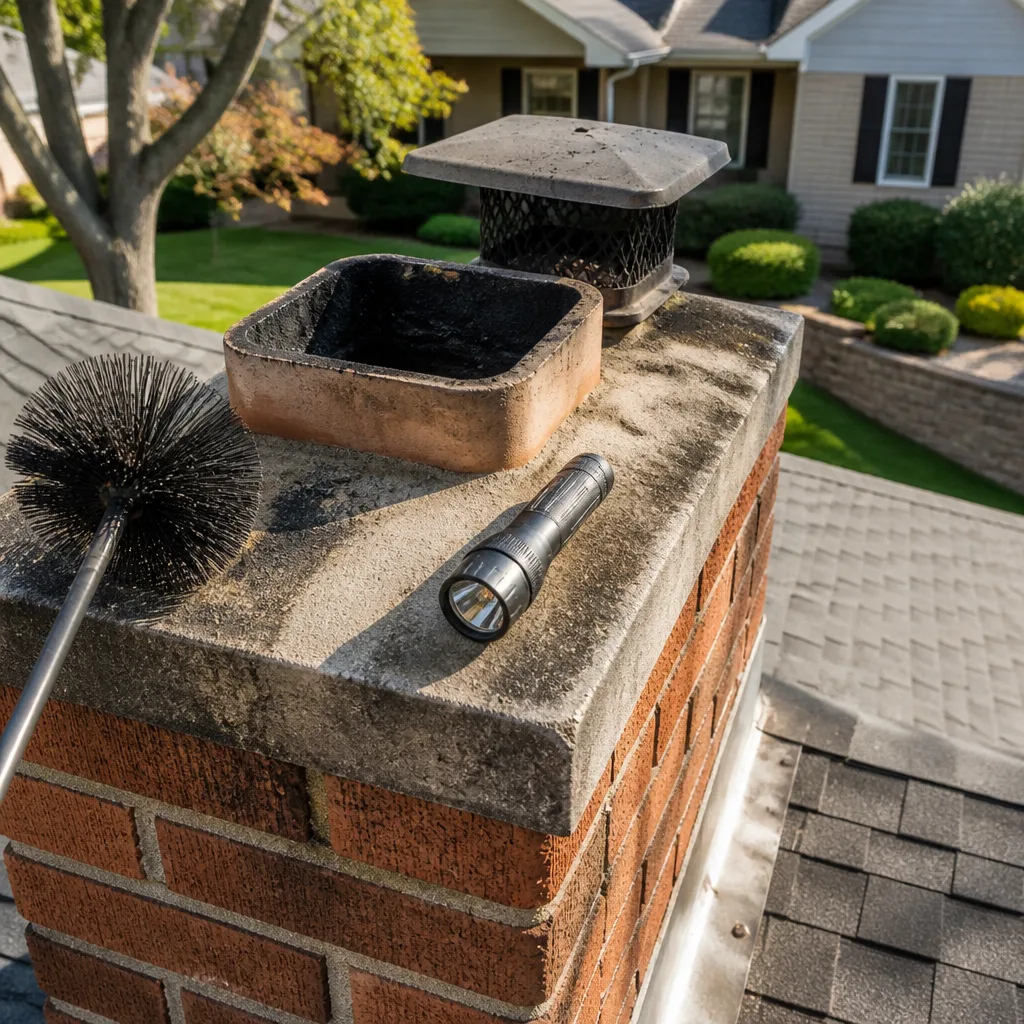
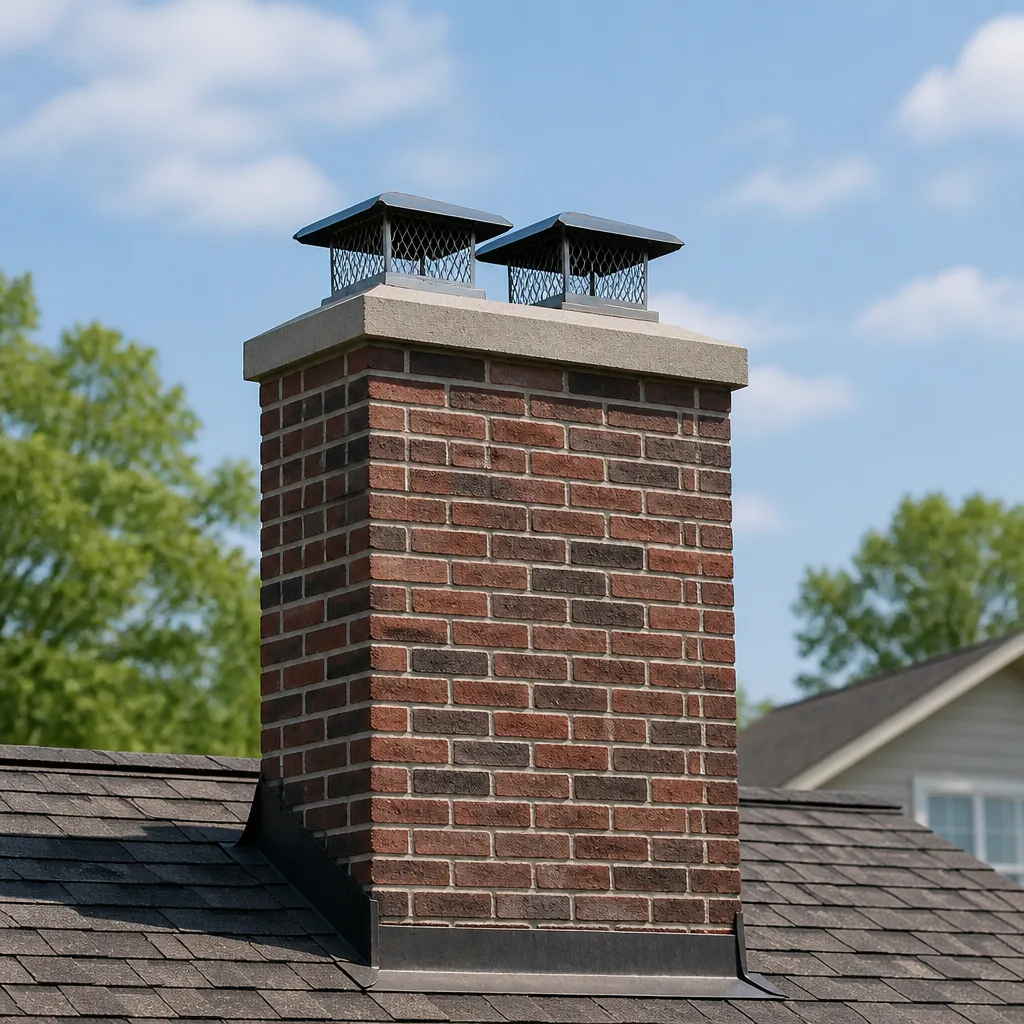
The practical test is simple. Ask what gauge the cap is, whether the seams are welded or crimped, and what mesh opening it uses. A specialist will answer in specifics. If you’re replacing a cap that’s rusted through or lost its mesh, that work often pairs naturally with a full chimney sweep so the flue gets cleared at the same visit. Cap and crown work is a core part of what we handle; you can read more about chimney cap & crown installation and repair if you’re weighing a replacement.
Chimney Sealers: Vapor-Permeable vs. Film-Forming
Sealers are the most misunderstood product in the chimney aisle. The instinct is to coat masonry to keep water out. The problem is that masonry also holds moisture from the inside, and a coating that blocks water from entering can trap moisture that’s already there. In a wet climate like Tacoma’s, that trapped moisture shows up as spalling, efflorescence, and deteriorated mortar.
The distinction that matters is vapor-permeable versus film-forming:
- Vapor-permeable sealers repel liquid water from outside while allowing water vapor to escape from inside the masonry. This is the appropriate choice for breathable masonry chimneys, because the wall can dry.
- Film-forming sealers create a continuous barrier on the surface. They can be appropriate on some substrates, but on breathable masonry they risk trapping moisture and causing the coating to blister and peel.
Brand reputation doesn’t resolve this. A well-known film-forming product applied to the wrong wall is still the wrong product. The question to ask is whether the sealer is vapor-permeable and whether it’s suited to your chimney’s masonry type, mortar, and exposure. Sealers are also not a fix for structural problems. If water is getting in through a failed crown, cracked mortar joints, or flashing, a sealer applied over the damage hides the symptom without addressing the cause. The right sequence is to repair the water path first, then protect the surface – which is one reason we treat sealing as part of a full assessment rather than a standalone purchase.
Creosote Treatments: What They Can and Can’t Do
Creosote is the residue left by wood smoke, and it accumulates in three broad forms: a light soot and flaky stage, a crusty and hardened stage, and a glazed, tar-like stage. The glazed stage is the most dangerous because it’s the most combustible and the hardest to remove. This is where marketing claims outrun reality. The chimney sweep removal process is mechanical; treatments are assistants, not substitutes.
What creosote treatments can legitimately do:
- Chemically convert hardened or glazed deposits into a form that loosens and brushes away more easily.
- Reduce the volume of stubborn residue so a subsequent sweep is more effective.
- Make a difficult brushing job more thorough when used correctly and given the right dwell time.
What they can’t do:
- Replace brushing. A treatment left alone doesn’t remove deposits from a flue; it changes their consistency for removal.
- Guarantee removal of heavy glazed creosote in a single application.
- Substitute for correcting the burning conditions – wet wood, restricted draft, cool flue temperatures – that created the creosote in the first place.
Treat creosote products as a professional tool applied as part of a cleaning, not a homeowner product you pour in and forget. The chemistry is real, but the outcome depends on the deposit stage, the product, and the follow-up brushing. If a product promises to eliminate the need for sweeping, that claim doesn’t hold up.
Liner Repair Materials: HeatShield, Fireguard, and Flexible Liners
Liner problems are where homeowners feel the most pressure to spend, and where material choice genuinely changes the cost and invasiveness of the repair. The framework is simple: restore, reline, or repair. Which one fits depends on the condition of the flue, and the material options line up behind those paths.
Restore (liner resurfacing). HeatShield is a resurfacing product used to restore the integrity of a damaged flue liner without full relining. It’s applied to the interior surface to rebuild a smooth, sound lining where the original has cracked or deteriorated but the flue structure is otherwise sound. Resurfacing is technically demanding, and not every sweep can perform it – capability here is a real signal of specialist depth. Fireguard is a related liner repair material used in similar resurfacing and repair contexts, and the choice between them depends on the flue’s condition and the repair approach.
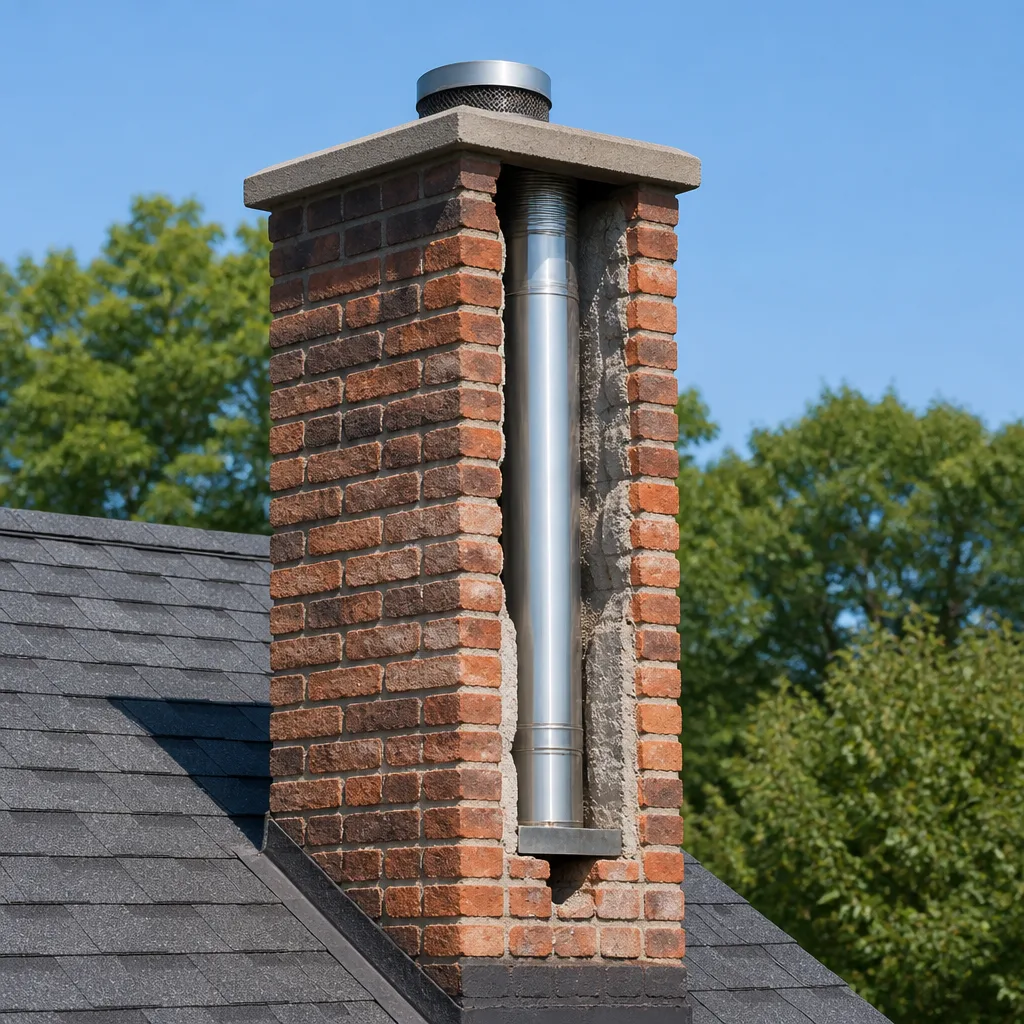
Reline (flexible liner systems). DuraFlex is a flexible stainless liner system used when the existing flue is deteriorated or non-compliant and resurfacing isn’t sufficient. A flexible liner can often be installed without full demolition of the chimney, which makes relining a less invasive and more cost-effective path than rebuilding. DuraFlex proficiency means the company can reline a failed flue rather than tear it down.
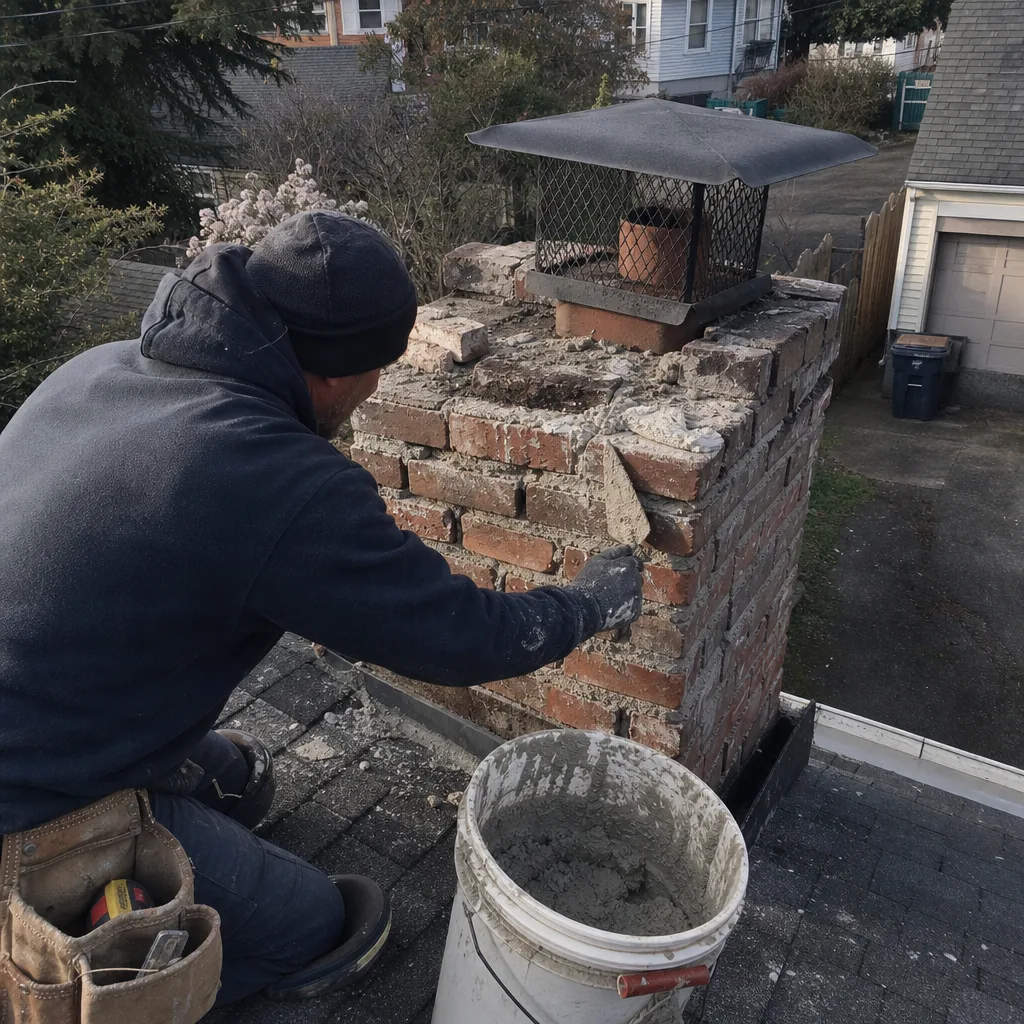
Repair (structural). When the problem is in the firebox, the masonry, or the crown, structural repair is the right path, and it’s separate from liner material choices. A dedicated chimney company handles this full cycle – inspection, cleaning, cap and crown, liner repair, and structural fireplace repair – without handing you to a second contractor mid-job.
The takeaway: liner materials are not interchangeable. HeatShield and Fireguard are resurfacing and repair materials; DuraFlex is a flexible relining system. Matching the material to the flue’s actual condition is the whole decision. Our team’s fireplace repair work and liner capabilities sit inside the same specialist scope, so the assessment and the repair aren’t split between trades.
How to Evaluate a Contractor’s Material Choices
The fastest quality signal in this trade is how a contractor talks about materials. A specialist who can name the brand and the specification of what they’re installing is operating differently from one who says “professional grade” and leaves it there. Here’s a practical way to sort them:
- Ask for the brand and the specification. For a cap: gauge, weld type, mesh. For a sealer: vapor-permeable or film-forming. For a liner: resurfacing or relining material, and why. A specialist answers in specifics because those specifics are the job.
- Ask why that product fits your flue. The right answer references your flue’s condition, construction, and exposure – not a generic recommendation.
- Ask what the alternative would be. A specialist can explain why a different material wouldn’t work in your case. Someone selling a single product can’t.
- Check whether they can do the full repair. A company that sweeps but can’t reline or repair structurally will either hand you off or stretch its scope. Single-trade depth means no handoff.
- Watch for big-box substitutions. Professional-tier materials are sourced by trained chimney specialists, not available at big-box stores. If the material in the quote is a consumer-grade product, the price may be lower but the specification is too.
- Ask for the inspection findings behind the recommendation. Material choices should follow from what the inspection showed, not precede it.
In our experience, the contractors who can’t answer questions one through three are the same ones who default to whatever’s on the shelf. The ones who can explain gauge, permeability, and resurfacing versus relining are usually the ones who do the work correctly.
The Professional Brands You’ll See on a Tacoma Job
You don’t need to memorize a brand list, but recognizing a few professional names helps you read a quote. Here are the ones that come up on chimney work, and what each is actually for:
- HeatShield – a liner resurfacing product used to restore flue integrity without full relining.
- DuraFlex – a flexible stainless liner system used for relining deteriorated or non-compliant flues.
- Gelco and Olympia Chimney – professional-grade chimney components and systems used in repair and installation work.
- Famco and Copperfield – professional-tier materials that show up in cap, crown, and related chimney work.
These are the kinds of products a chimney specialist sources because they’re specified for the work, not because they’re the easiest to stock. They aren’t the same as the consumer lines sold at big-box stores, and that distinction is often invisible in a quote that just says “new cap and liner.” When you’re comparing estimates, ask which of these – or which equivalent professional product – is specified, and why. A quote that names the material and its specification is doing the homework. A quote that doesn’t is asking you to trust a vague phrase.
One clarification that saves confusion: these products serve different roles. HeatShield restores; DuraFlex relines. If a contractor describes a resurfacing product as a full reline, or a flexible liner as a resurfacing job, the terminology is off, and that’s worth questioning before you commit.
Questions to Ask Before You Buy
Bring this list to any chimney conversation. The answers tell you more than any brochure.
- What specific product and specification are you installing, and why does it fit my flue?
- For a cap: what gauge, what weld type, and what mesh size?
- For a sealer: is it vapor-permeable, and is my chimney’s masonry breathable?
- For a creosote treatment: is it being used as a brushing aid, and what deposit stage is it addressing?
- For liner work: is this a resurfacing repair or a full reline, and what determines that?
- Can you do the structural repair if it’s needed, or will this require another contractor?
- What did the inspection show that led to this recommendation?
These questions are also a fair test of the company answering them. A dedicated chimney specialist will welcome the specificity. A generalist contractor doing chimney work on the side will find them harder to answer, because the specifications aren’t part of their regular vocabulary.
Common Mistakes to Avoid
- Buying a cap by price alone. A cheaper crimped cap may look identical on the shelf but will open at the seams within a few wet seasons. Ask about gauge and weld type before you buy.
- Applying a film-forming sealer to breathable masonry. In Tacoma’s wet climate, trapping moisture inside the wall accelerates spalling and mortar damage. Confirm the sealer is vapor-permeable and suited to your masonry.
- Treating a creosote product as a substitute for sweeping. These products loosen deposits for brushing; they don’t remove them. Relying on a treatment alone leaves the hazard in the flue.
- Assuming resurfacing and relining are the same job. HeatShield restores a damaged liner; DuraFlex relines a failed flue. Mismatching the material to the condition wastes money and may not fix the problem.
- Accepting “professional grade” as a description. That phrase means nothing without a brand and a specification. Ask for both.
- Skipping the inspection that justifies the work. Material choices should follow from what was found, not precede it. If the recommendation comes before the inspection, ask why.
- Letting a multi-trade contractor do chimney work on the side. A plumber or roofer filling a schedule gap may not have the material access or specification knowledge a dedicated chimney specialist does.
See the difference
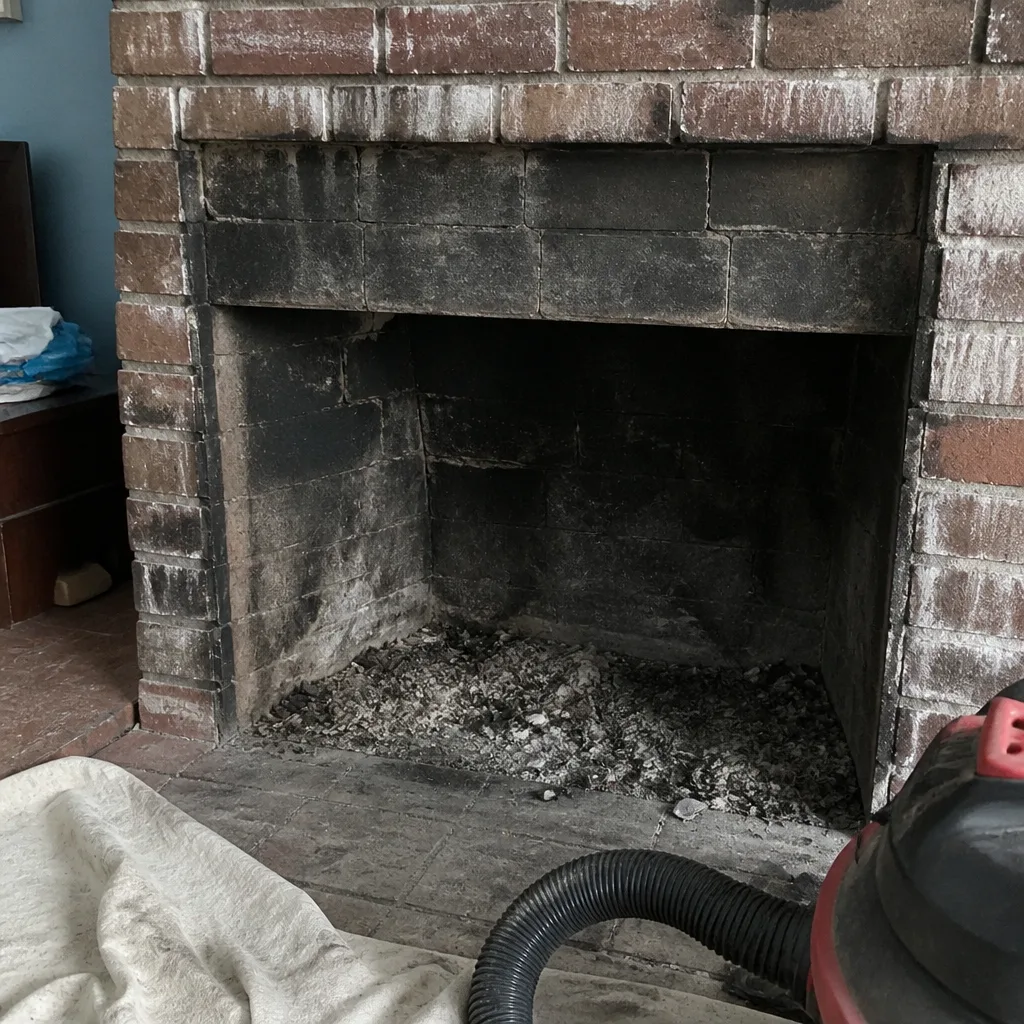 Before
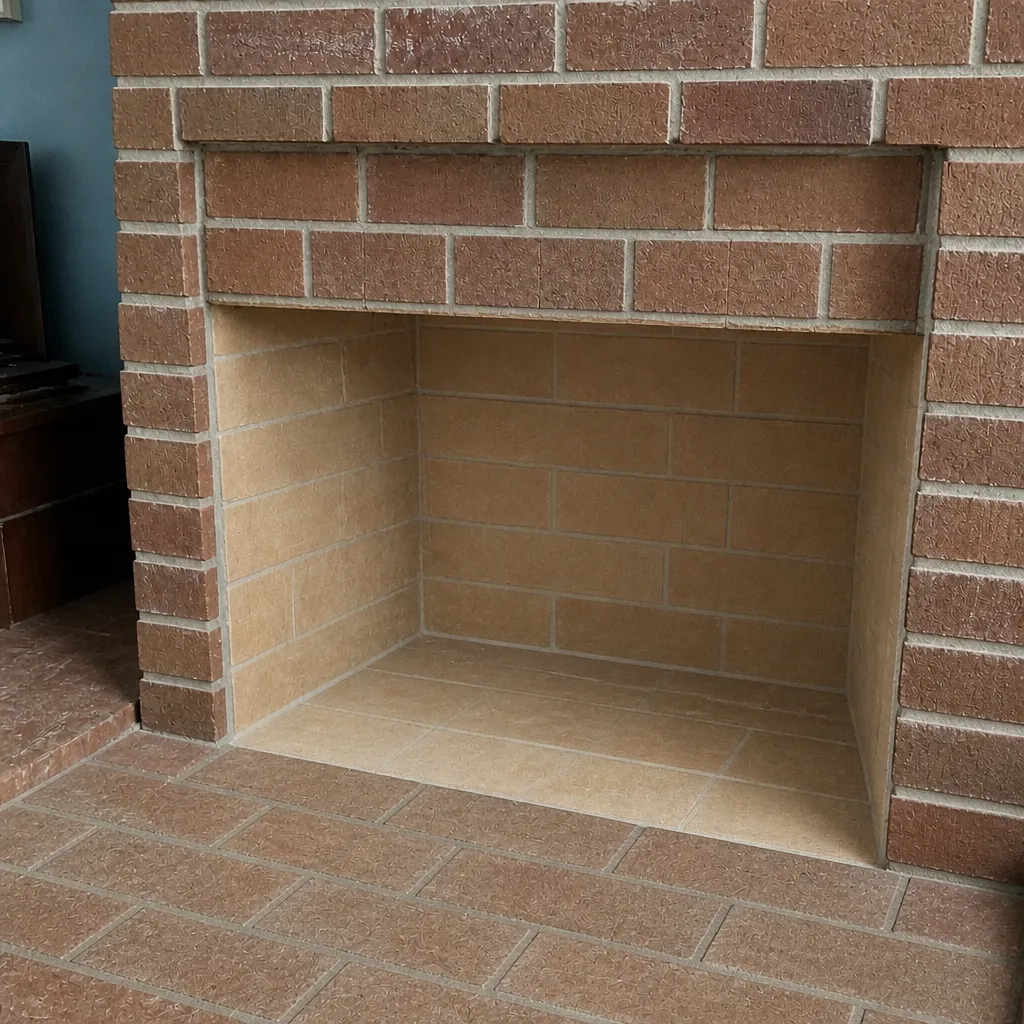 After
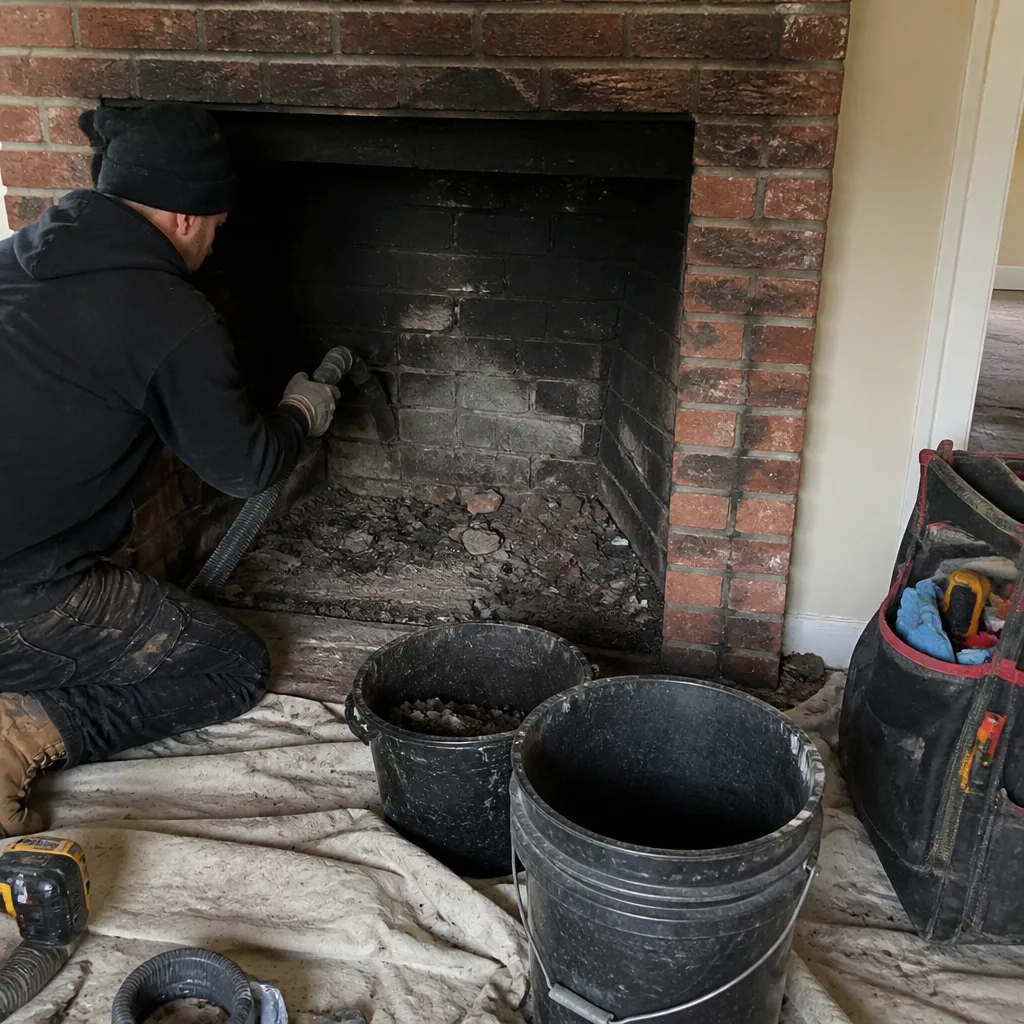 Before
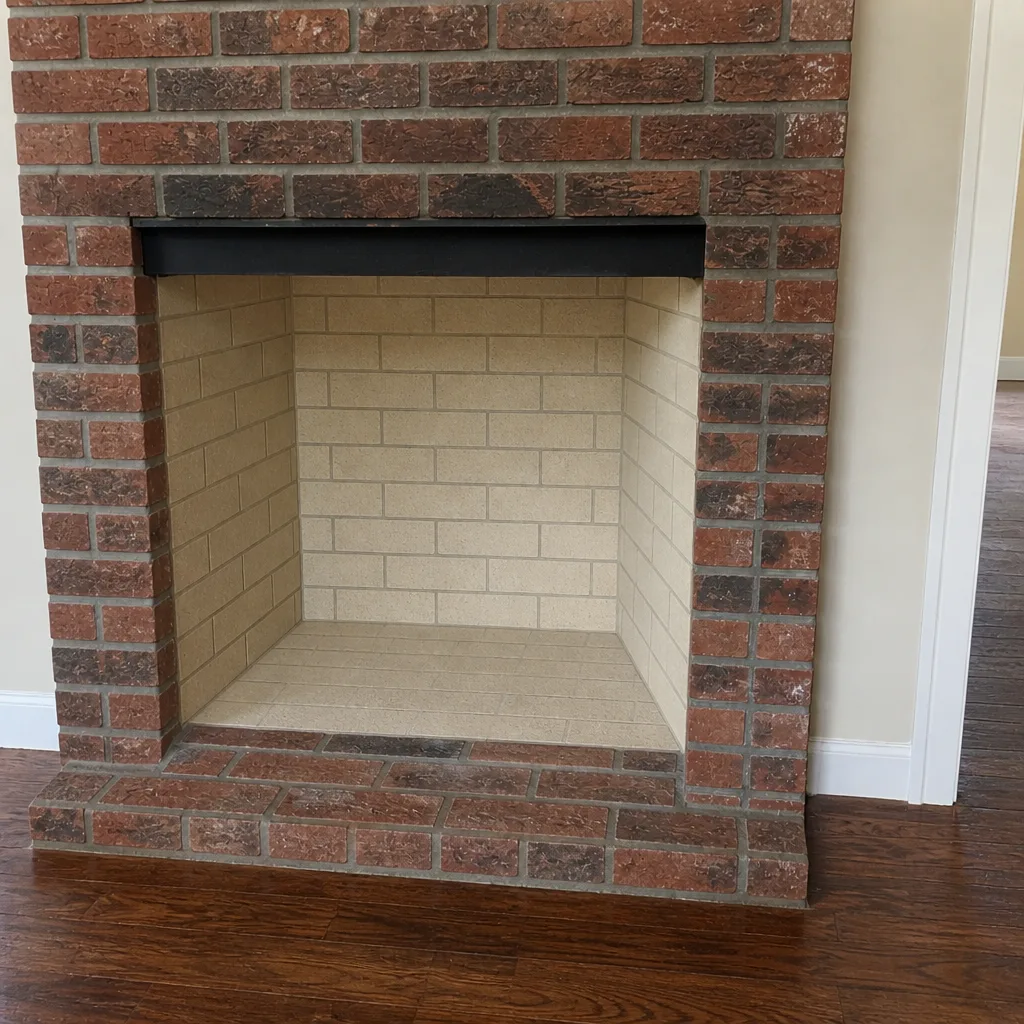 After
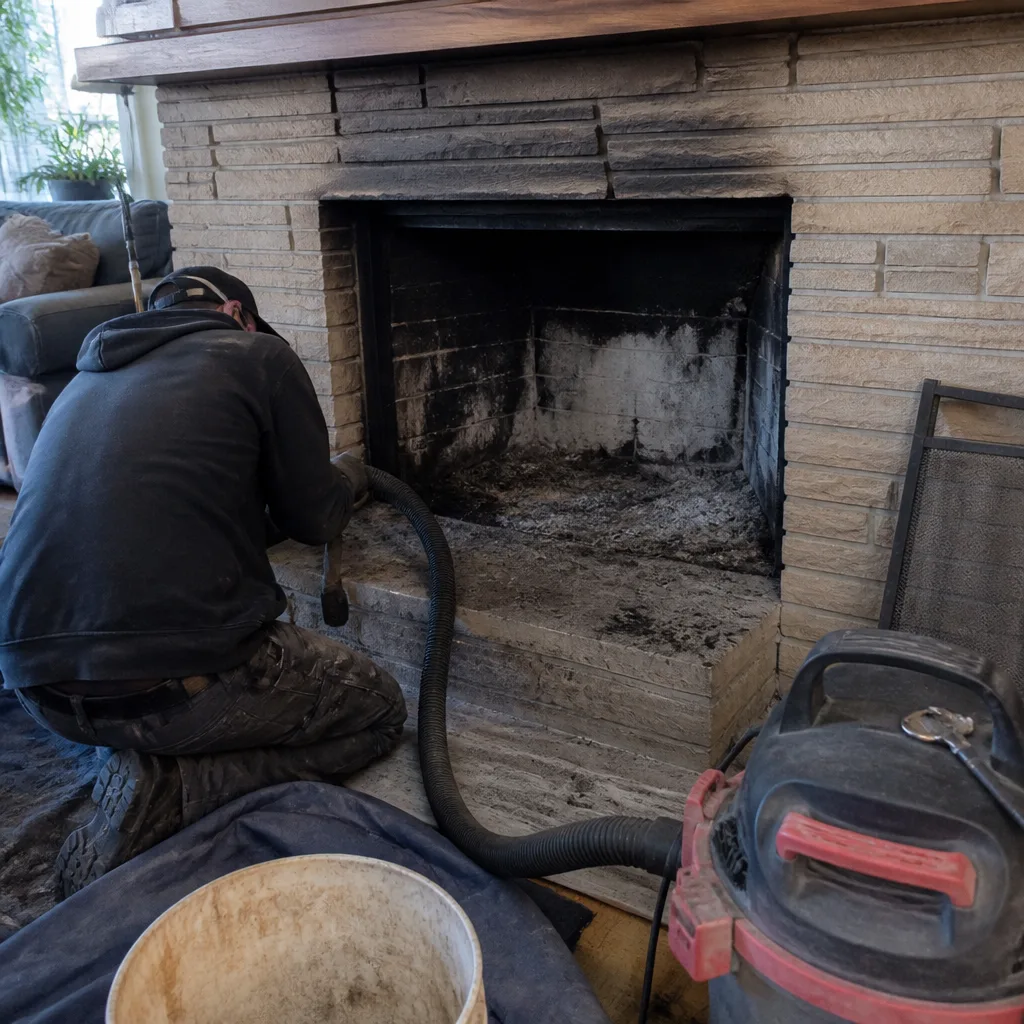 Before
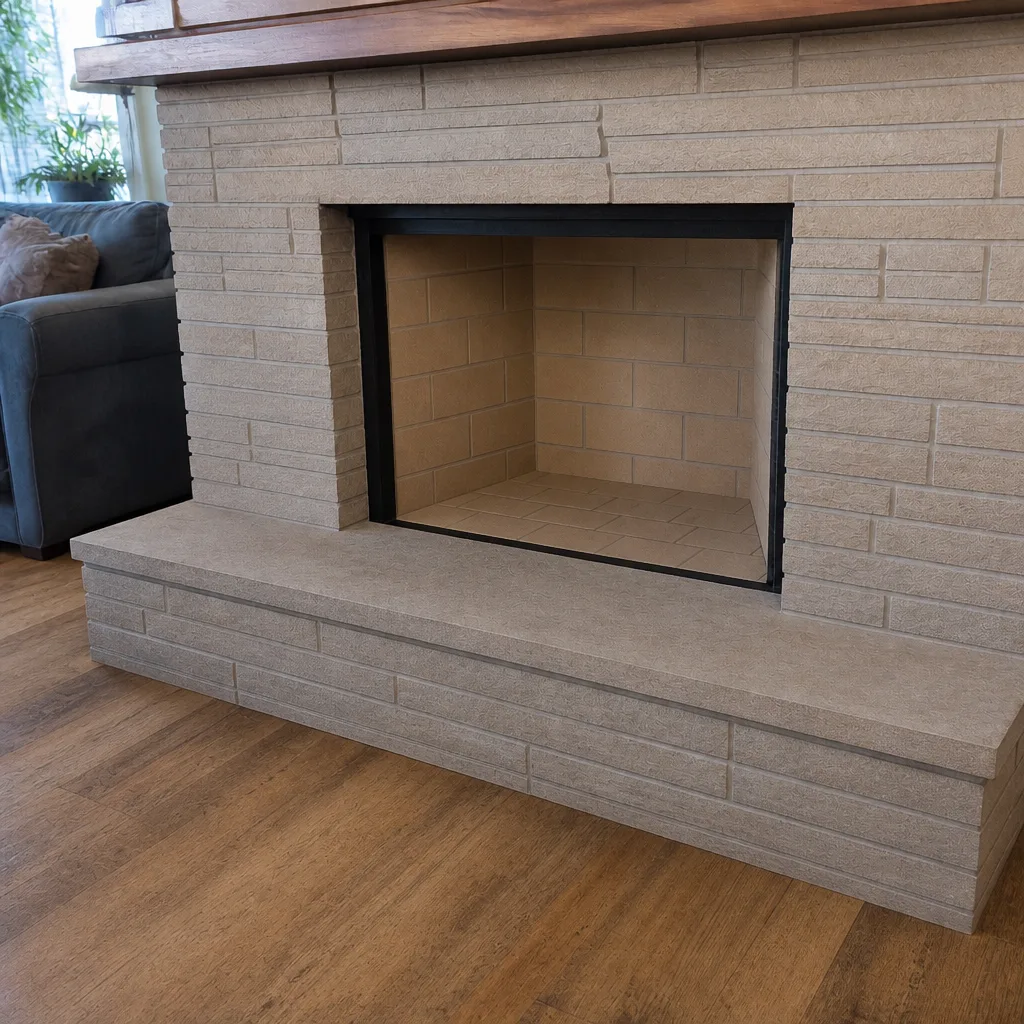 After
When to Call a Professional
Some material decisions can wait; some can’t. Call a professional if you’re buying a home in Tacoma and haven’t had the flue inspected, if you’ve noticed cracked or missing mortar, a damaged crown, or a cap that’s rusted through, or if you’ve had a chimney fire or a heavy creosote buildup. Call if you’re planning liner work and don’t know whether resurfacing or relining is the right path, or if a previous contractor recommended thousands of dollars of work without showing you the findings behind it. Call before the burning season if you haven’t had a sweep in several years. Tacoma Chimney Sweep offers free estimates in Tacoma – call (833) 513-8117. We answer 24/7. Fast dispatch from 7am to 7pm, Sunday through Friday.
Frequently Asked Questions
There isn’t one best brand; there’s a best specification for your flue. Professional-grade products from names like HeatShield, DuraFlex, Gelco, Olympia Chimney, Famco, and Copperfield are specified for chimney work and outperform consumer lines, but the brand matters less than whether the gauge, weld, mesh, permeability, and material type fit your chimney’s condition and Tacoma’s wet climate. Ask any contractor to name the product and specification, not just the brand.
Yes, generally. A 20-gauge stainless cap is thicker and holds up better against debris fall, denting, and sustained moisture than a 24-gauge cap, and it has more margin over the long run. Gauge is only part of it, though – welded seams and proper mesh clearance matter just as much, and a 24-gauge welded cap will outlast a 20-gauge crimped one.
They work as brushing aids, not as standalone removers. Creosote treatments chemically convert hardened or glazed deposits into a form that loosens and brushes away more easily, which makes a sweep more thorough. They don’t eliminate the need for mechanical brushing, and heavy glazed creosote may need more than one application. Treat them as a professional tool, not a homeowner shortcut.
For breathable masonry chimneys in a wet climate, a vapor-permeable sealer is the appropriate choice because it repels liquid water while letting moisture escape from inside the wall. Film-forming sealers can trap moisture in breathable masonry and cause spalling and blistering. Confirm the sealer’s permeability and match it to your chimney’s masonry type before applying.
HeatShield is a liner resurfacing product that restores the integrity of a damaged flue liner without full relining. DuraFlex is a flexible stainless liner system used to reline a deteriorated or non-compliant flue. Resurfacing suits a flue whose structure is sound but whose lining is damaged; relining suits a flue that needs a new liner system. The right choice depends on the inspection findings.
Ask them to name the brand and the specification of what they plan to install, and why it fits your flue. A specialist answers in specifics – gauge, weld type, mesh, permeability, resurfacing versus relining – and can explain why an alternative wouldn’t work. A vague answer like “professional grade” or “the good stuff” is the signal that the material choice isn’t being made with your flue in mind.
The Bottom Line
Brand choice matters less than material specification and application context. For Tacoma homeowners, that means a 20-gauge welded stainless cap with proper mesh, a vapor-permeable sealer suited to breathable masonry, a creosote treatment used as a brushing aid rather than a substitute, and a liner repair material – HeatShield for resurfacing, DuraFlex for relining – matched to your flue’s actual condition. The contractor test is simple: a specialist can name the brand and the specification of what they’re installing and explain why it fits your chimney. A vague answer is the warning. Learn the criteria, ask the questions, and let the inspection findings drive the decision. For a free estimate, call (833) 513-8117. We answer 24/7. Fast dispatch from 7am to 7pm, Sunday through Friday.
Written by the team at Tacoma Chimney Sweep.