
Last updated November 24, 2026
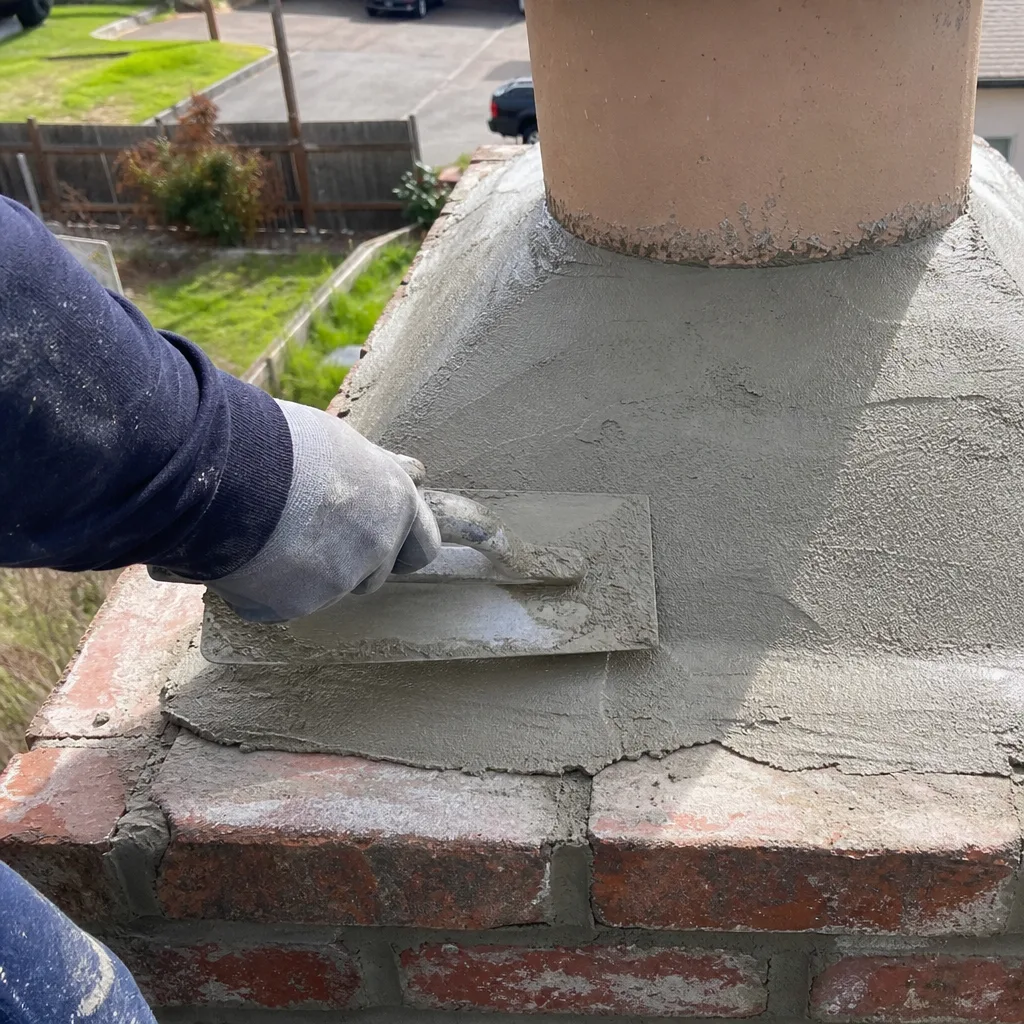
 Sweep & inspection
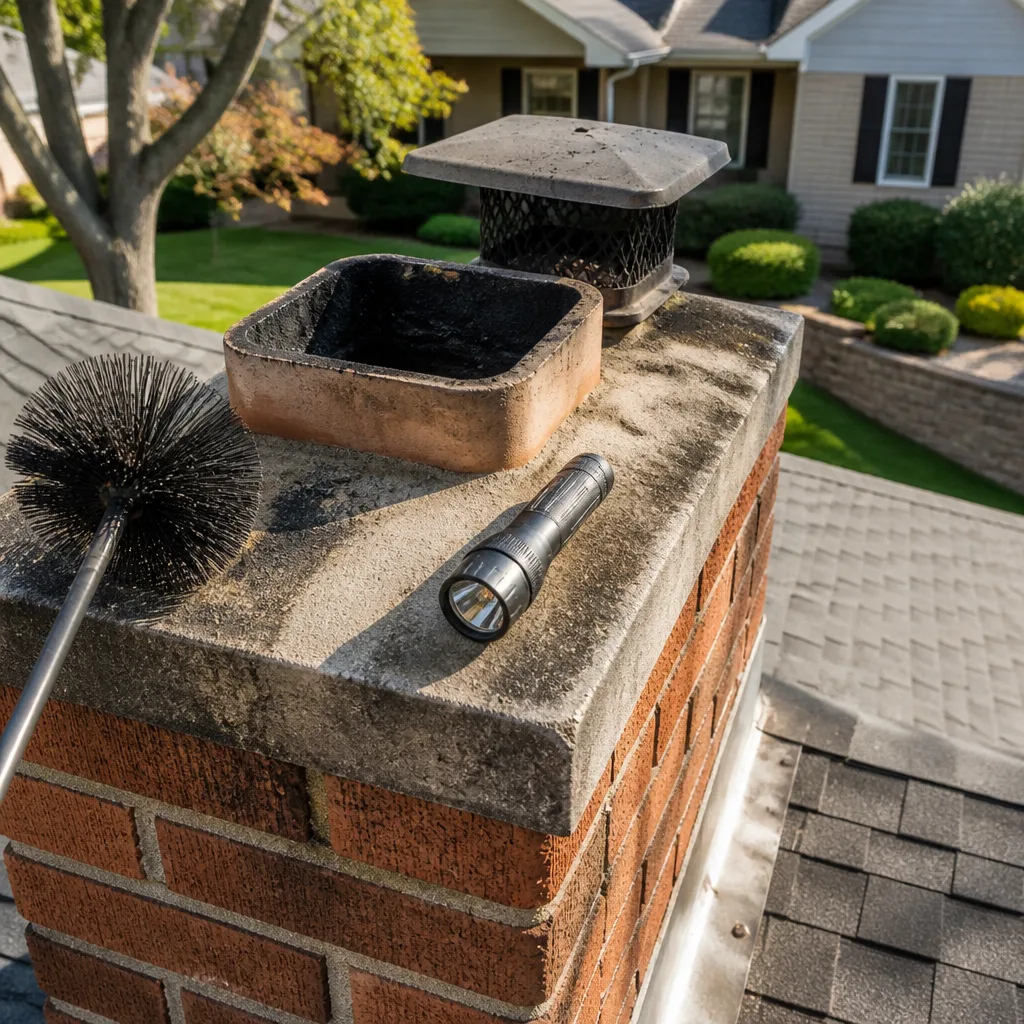
 Caps & crowns
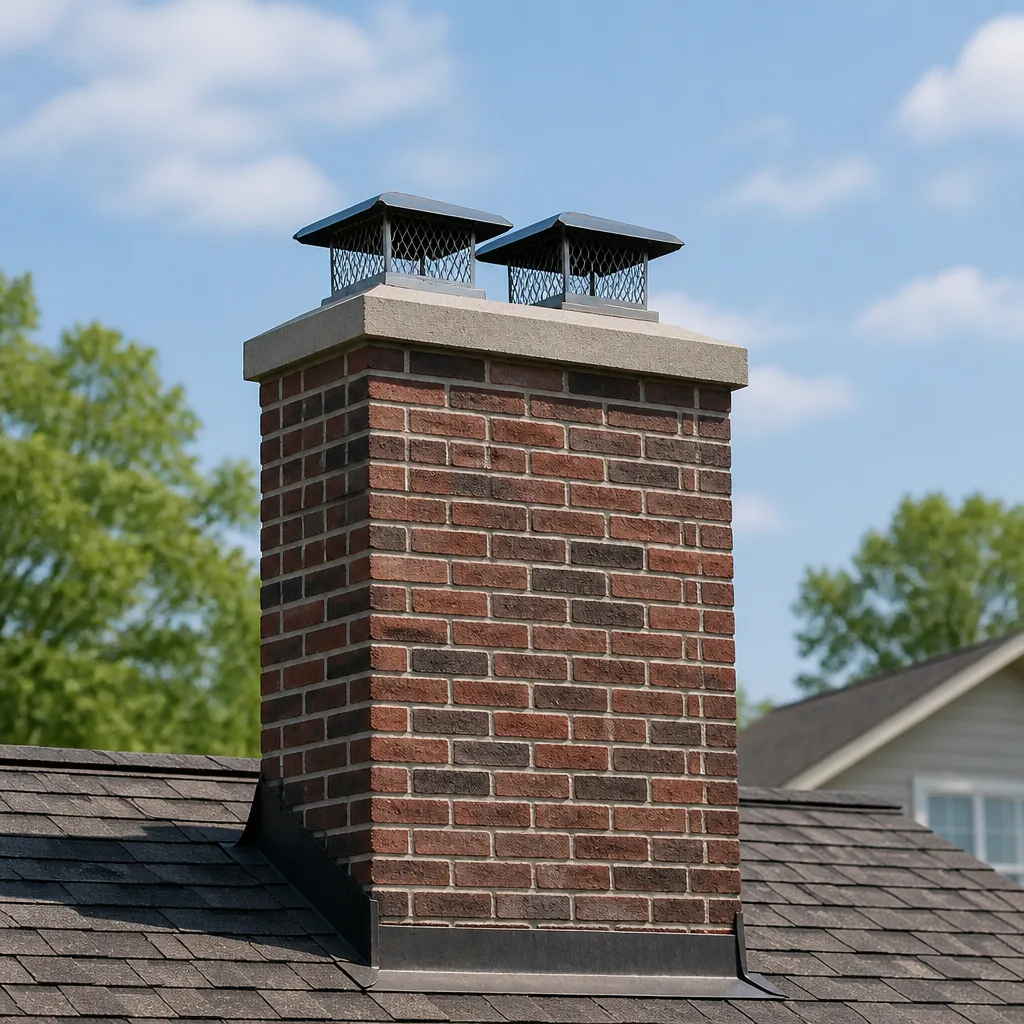
 Flue relining
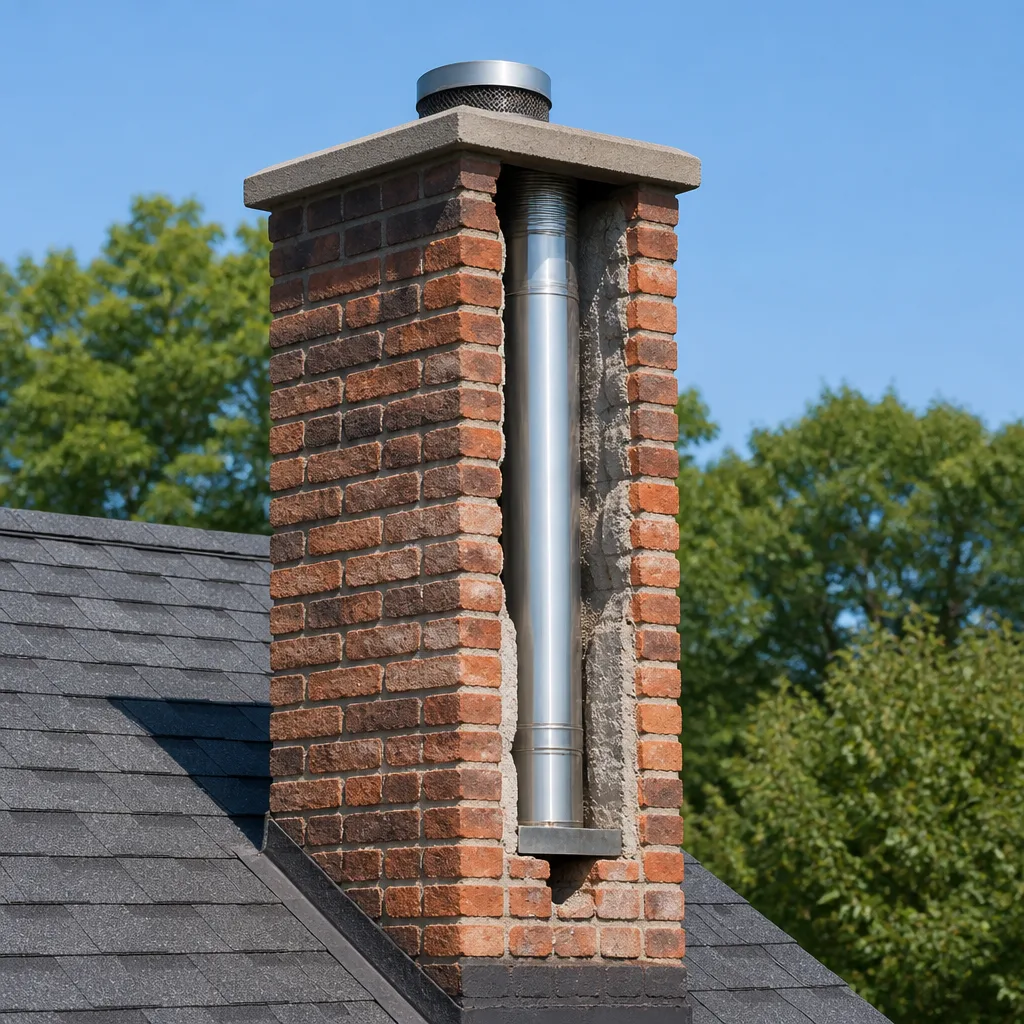
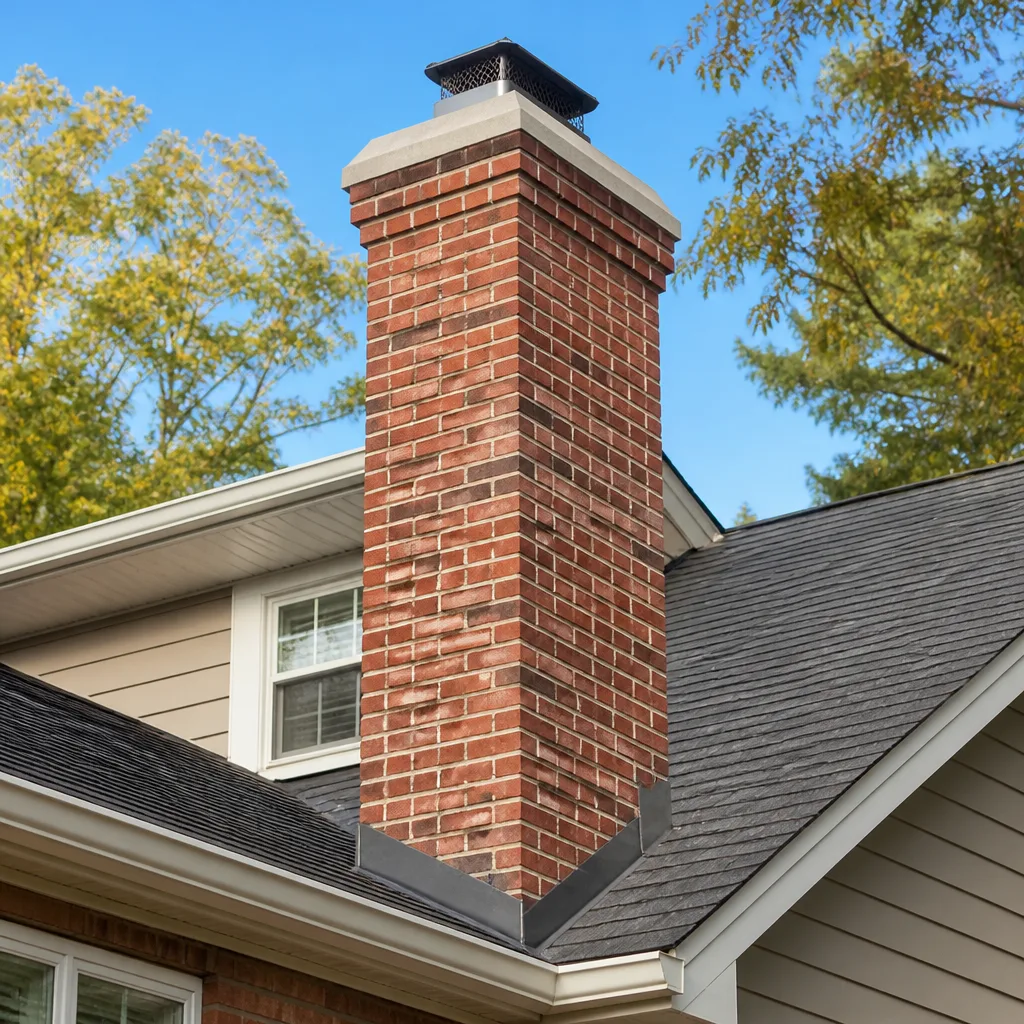 Masonry repair
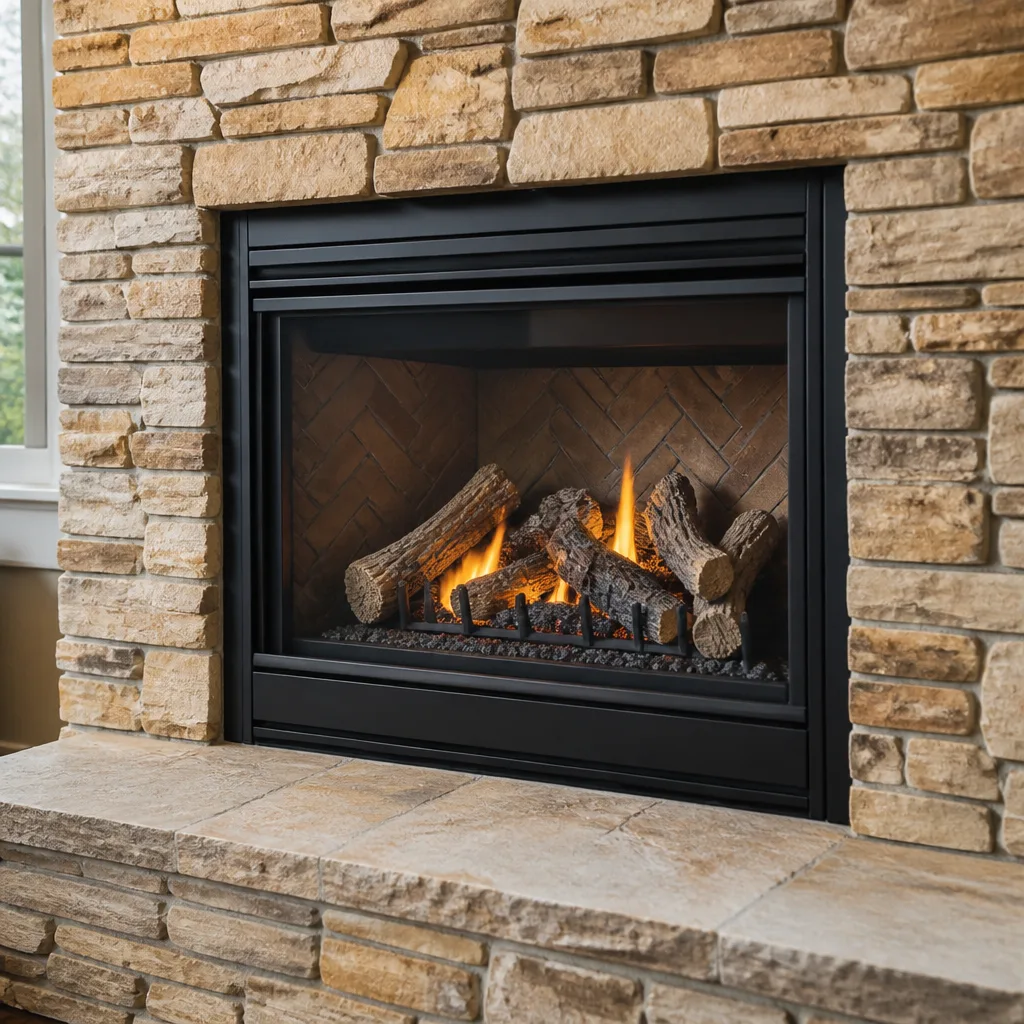 Gas fireplace service
Level 1 sweep and inspection to the NFPA 211 annual standard - flue, crown, cap, and flashing checked and photographed
Chimney sweep logs do not sweep chimneys. They loosen some creosote - which then falls where a brush and vacuum still have to collect it.
Chimney Cleaning Warning Signs: A Tacoma Homeowner’s Reference Guide
A smoky smell in your living room on a windy day isn’t a draft quirk. It’s often the first detectable sign of a blockage, damaged liner, or negative pressure problem that gets worse every time you light a fire. Most chimney warning signs show up inside the house long before anything structural fails. The trouble is that homeowners read them as minor annoyances instead of what they are: specific diagnostic signals. This guide translates what your chimney is telling you through each symptom, separates the ones that mean “schedule a cleaning soon” from the ones that mean “stop using this fireplace,” and shows you how to document what you’re seeing before a technician arrives in Tacoma.
Quick Answer
The most common chimney cleaning warning signs are a strong creosote smell, dark streaking on the exterior masonry, white chalky staining, brown ceiling or wall stains near the chimney chase, smoke spilling into the room, and a fire that burns poorly no matter how dry the wood. Any of these means it’s time for a professional inspection and likely a sweep. Smoke rollback, a CO detector alarm, or visible creosote glaze inside the flue means stop using the fireplace until a technician inspects it.
Styles & brands we work with
- Sweep & inspection
- Caps & crowns
- Flue relining
- Masonry repair
- Gas fireplace service
Table of Contents
- The Symptom-to-Cause Map: What Each Warning Sign Actually Means
- White Staining (Efflorescence) on Your Chimney: What It Tells You
- Black Streaking and Brown Ceiling Stains: Different Problems, Different Fixes
- Interior Odors and Why Tacoma’s Rainy Season Makes Them Worse
- Distinguishing Weather-Related Flare-Ups from Active Structural Problems
- “Schedule a Cleaning Soon” vs. “Do Not Use This Fireplace”
- Gas Fireplace Insert Warning Signs: A Completely Different List
- How to Document Warning Signs Before Your Technician Arrives
The Symptom-to-Cause Map: What Each Warning Sign Actually Means
Your chimney doesn’t fail silently. It gives you a sequence of clues, and each clue points to a specific part of the system: the flue, the liner, the crown, the cap, or the firebox. Reading them correctly is the difference between a routine chimney sweep and an emergency repair. Here’s the reference map we use when a homeowner describes symptoms over the phone.
- Strong smoky or tar-like smell, especially in warm weather: creosote buildup in the flue, or a downdraft pulling odor back into the house.
- White, chalky powder on exterior brick: efflorescence, which points to water moving through the masonry.
- Black vertical streaking on the outside of the chimney: soot escaping past a failed liner, cap, or crown seal.
- Brown or tan rings on the ceiling or wall near the chase: water infiltration, usually from a cracked crown or failed flashing.
- Smoke rolling into the room when you light a fire: blockage, a liner that’s collapsed or separated, or negative pressure in the house.
- A fire that smokes and burns sluggishly with dry wood: restricted draft, often from partial blockage or a dirty flue.
- Flakes of creosote or soot on the firebox floor: the flue is shedding, which usually means glazed creosote is breaking apart.
None of these are cosmetic. Each one is the chimney telling you which component is failing. If two or more appear together, the odds of an active problem climb fast, and that’s when we recommend a certified inspection rather than a sweep alone. The full system runs from the firebox to the crown, so a symptom at the top often has a cause at the bottom.
White Staining (Efflorescence) on Your Chimney: What It Tells You
White staining on a chimney is efflorescence: mineral salts left behind when water moves through the masonry and evaporates on the surface. It’s not mold, it’s not paint, and it’s not harmless. Efflorescence is a reliable early signal that moisture is getting into the brick or mortar and working its way out. Left alone, freeze-thaw cycles in a Tacoma winter spall the brick face and open the mortar joints further.
The moisture has to come from somewhere. On most homes we look at, it traces back to one of these:
- A cracked or pitted concrete crown that no longer sheds water away from the flue.
- Failed flashing where the chimney meets the roof line.
- Missing or damaged mortar joints that let rain soak into the brick.
- A chimney cap that’s gone or was never installed, allowing direct rain entry into the flue.
Efflorescence that wipes away and doesn’t return is usually a one-time event after a wet stretch. Efflorescence that keeps coming back after you clean it is active water intrusion, and it will not fix itself. That’s the point where a technician should look at the chimney cap & crown, the flashing, and the masonry together, because fixing only one of them leaves the water path open. In our experience, catching efflorescence early is one of the cheapest repairs a homeowner can make, since a crown repair costs a fraction of rebuilding a chimney top that’s already spalled.
Black Streaking and Brown Ceiling Stains: Different Problems, Different Fixes
Black streaking and brown ceiling stains get lumped together because both look like “something’s leaking,” but they come from opposite directions and need different repairs. Black vertical streaks on the exterior of the chimney are soot. Soot only escapes the flue if the liner is compromised, the cap is damaged, or the crown seal has failed. A properly sealed system keeps combustion byproducts inside the flue where they belong.
Brown or tan rings on the ceiling or wall near the chimney chase are water. They usually appear after heavy rain, and the source is almost always above: a cracked crown, failed flashing, or a chimney cap that’s letting rain straight down the flue. Water stains near the chimney chase are also a sign to check the attic and the framing around the chase, since moisture that reaches the ceiling has usually passed through the structure first.
Here’s the distinction that matters:
- Black streaks = combustion byproducts escaping. This is a liner and cap problem, and it’s a safety issue because it means the flue isn’t containing what it should.
- Brown stains = water entering. This is a crown, flashing, or cap problem, and it’s a structural issue because ongoing moisture destroys masonry and framing.
When a chimney shows both, the two problems often reinforce each other. A cracked crown lets water in, the water degrades the liner, and the liner starts leaking soot past it. That’s why we inspect the whole assembly rather than guessing at one symptom in isolation.
Interior Odors and Why Tacoma’s Rainy Season Makes Them Worse
A smoky smell inside the house is the single most reported warning sign, and it’s also the most misread. Homeowners often write it off as a draft quirk or “just how the chimney smells.” In reality, an interior odor is the flue telling you that creosote has built up to the point where it’s releasing volatile compounds, or that the chimney is under negative pressure and pulling air back down.
Tacoma’s wet season pushes these odors to the surface. When the air outside is damp and cool and the house is warm and sealed tight, the chimney becomes a pressure path. Odors that were barely noticeable in August become obvious in November. The same rainy stretch that raises indoor humidity also softens creosote deposits and lets them off-gas more freely, and it can drive water into masonry that then smells musty for weeks.
Three odor patterns worth knowing:
- Smoky smell only on windy days: often a downdraft, sometimes a cap or pressure issue.
- Smoky smell all the time, fire or no fire: creosote buildup, and it needs a sweep.
- Musty, earthy smell: moisture in the masonry or the chase, which points to a water entry problem rather than a creosote problem.
We hear Tacoma homeowners describe all three, and the right response depends on which one you’re smelling. A sweep handles the creosote case. A cap and crown inspection handles the downdraft and musty cases. Getting the category right is why we ask about timing and weather before we book anything.
Distinguishing Weather-Related Flare-Ups from Active Structural Problems
Tacoma’s climate puts a lot of stress on chimney exteriors, and some symptoms flare up with the weather and settle back down. Others persist no matter what the sky is doing. Knowing which is which saves homeowners from panicking over a seasonal blip and, more importantly, from ignoring a real problem because it happened to rain that week. Here’s how we separate the two.
Likely weather-related:
- Efflorescence that appears after a wet stretch and fades or wipes away clean.
- A faint musty smell in the firebox after heavy rain, gone once the chimney dries out.
- Minor smoke spill on the windiest days only, with no smell the rest of the time.
Likely structural or active:
- Brown ceiling stains that grow or reappear after every rain, even light ones.
- Efflorescence that returns within weeks of cleaning.
- Soot streaks that get darker over the season, not lighter.
- Odors that persist in dry weather, or that show up with no fire lit.
- Any smoke rollback into the room, on any day, under any conditions.
The useful rule: weather-related symptoms come and go with the weather. Structural problems keep showing up whether it rains or not. If a sign keeps returning, it’s structural. If you’re unsure which category you’re in, that’s a good reason to book an inspection with camera documentation so you can see the flue for yourself rather than guess.
“Schedule a Cleaning Soon” vs. “Do Not Use This Fireplace”
This is the distinction that matters most for safety. Some warning signs mean “book a sweep before the burning season.” Others mean “stop lighting fires until a technician inspects the system.” Getting the two confused is how homeowners end up with a chimney fire or a carbon monoxide scare. Here’s the split we give homeowners over the phone.
Schedule a cleaning or inspection soon:
- A persistent smoky smell when the fireplace isn’t in use.
- Visible soot or creosote flakes inside the firebox.
- A fire that burns sluggishly with well-seasoned wood.
- Light efflorescence or a single small water stain.
- It’s been more than a year since the last professional sweep.
Stop using the fireplace until a technician inspects it:
- Smoke rolling back into the room when you light a fire.
- Your carbon monoxide detector alarms near the fireplace or chimney.
- You can see glazed, shiny creosote inside the flue.
- Black soot streaks appearing on the exterior masonry.
- Any sign of a chimney fire: a loud roaring sound, a hot chimney, or puffs of smoke from the top.
- Loose or missing mortar, or brick that’s moved or fallen.
If you’re in the second list, don’t light another fire until someone qualified has looked at the system. Creosote ignition and carbon monoxide are the two risks that turn a warning sign into a dangerous event, and neither one gives much notice.
Gas Fireplace Insert Warning Signs: A Completely Different List
Gas fireplace warning signs don’t look anything like wood-burning signs, and most homeowner guides ignore that fact entirely. There’s no creosote to smell, no soot streaks on the exterior, and no firebox full of ash. A gas insert gives you a different set of clues, and several of them are squarely in the “stop using it” category because they involve combustion gas and carbon monoxide.
Watch for these gas insert signals:
- Condensation or fogging on the glass that doesn’t clear once the fireplace warms up. That’s usually a venting or combustion problem, not a glass problem.
- A persistent sharp or sulfur-like smell when the fireplace is running. Gas has an added odorant precisely because leaks are invisible, so any smell near the unit deserves an inspection.
- Soot on the logs or the glass. A gas flame should burn clean, so soot means the air-to-fuel mix or venting is off.
- A hot or discolored vent cap, or a vent that’s visibly loose. This points to a venting failure.
- Headaches, nausea, or a CO alarm when the fireplace runs. Stop using it and get the system inspected.
Gas fireplaces also need their own version of a sweep: the venting and the log set get checked and cleaned to keep combustion clean. Homeowners who move into a Tacoma home with a gas insert often assume it needs less attention than a wood system. In practice, an annual inspection is just as important for carbon monoxide safety. When a gas unit needs structural work, we treat it the same way we treat a wood system: repair the system, not just the symptom, using professional-grade components like Olympia Chimney venting where a vent section needs replacement.
How to Document Warning Signs Before Your Technician Arrives
Photographing what you’re seeing before a technician arrives makes the diagnostic conversation shorter and more useful, and it means you’re not starting from zero when someone asks what the chimney’s been doing. A technician can only inspect what’s there at the visit. Your photos can show the pattern over weeks, which is exactly what separates a weather flare-up from an active leak.
Here’s the sequence we recommend:
- Photograph the exterior of the chimney from ground level, straight on, capturing the full height including the cap and crown. Take one in dry weather and one after rain.
- Photograph any interior staining near the chimney chase, the ceiling, and the wall. Put a coin or tape measure in the frame for scale.
- Photograph the firebox interior with a flashlight, including the damper and the smoke shelf, to show creosote or soot deposits.
- Note the timing. Write down when each symptom appears: after rain, on windy days, only when the fireplace is running, or all the time.
- Log the smell. Describe whether it’s smoky, musty, or sharp, and when it’s strongest.
- Record any detector events. Date and time of any CO alarm or smoke alarm near the fireplace.
- Keep a note of the last professional sweep if you know it, and any repairs from the home’s records if you bought recently.
Bring those photos and notes to the call. We can usually pre-diagnose the likely cause from a good photo set and arrive prepared with the right inspection tools. That saves a second visit and gets you to a decision faster. If a repair is needed, the technician will show you the camera footage of the flue and the cap so you can see the evidence rather than take our word for it.
Common Mistakes to Avoid
- Treating a smoky smell as a normal quirk. It’s one of the earliest signals of creosote buildup or a pressure problem, and it gets worse each time you light a fire. Book a sweep before the burning season, not after the smell fills the room.
- Assuming a gas insert needs no service because it’s “clean.” Gas inserts still need annual inspection for venting and carbon monoxide safety. Skipping it leaves a real risk unexamined, and general homeowner guides rarely mention it.
- Cleaning off efflorescence and calling it done. If the white staining keeps coming back, water is still getting in. Wiping the surface hides the symptom and lets the masonry degrade underneath.
- Burning wet or unseasoned wood to “use up” a cord. In Tacoma’s damp climate, wood that’s been sitting outside absorbs moisture fast and deposits far more creosote. Seasoned wood burns cleaner and keeps the flue in better shape.
- Ignoring a single brown ceiling stain after one heavy rain. One stain can be the start of an active leak. If it grows or returns, the crown or flashing needs a look before the framing suffers.
- Doing the inspection from the ground with binoculars and calling it certified. A true inspection includes the flue interior, the smoke chamber, and the damper, which you can’t see from the driveway. If you don’t have a camera report, you don’t have a real inspection.
- Waiting for smoke rollback before calling. Smoke rolling into the room is a stop-use sign, not a schedule-later sign. If you’re at that point, don’t light another fire until someone’s inspected the system.
See the difference
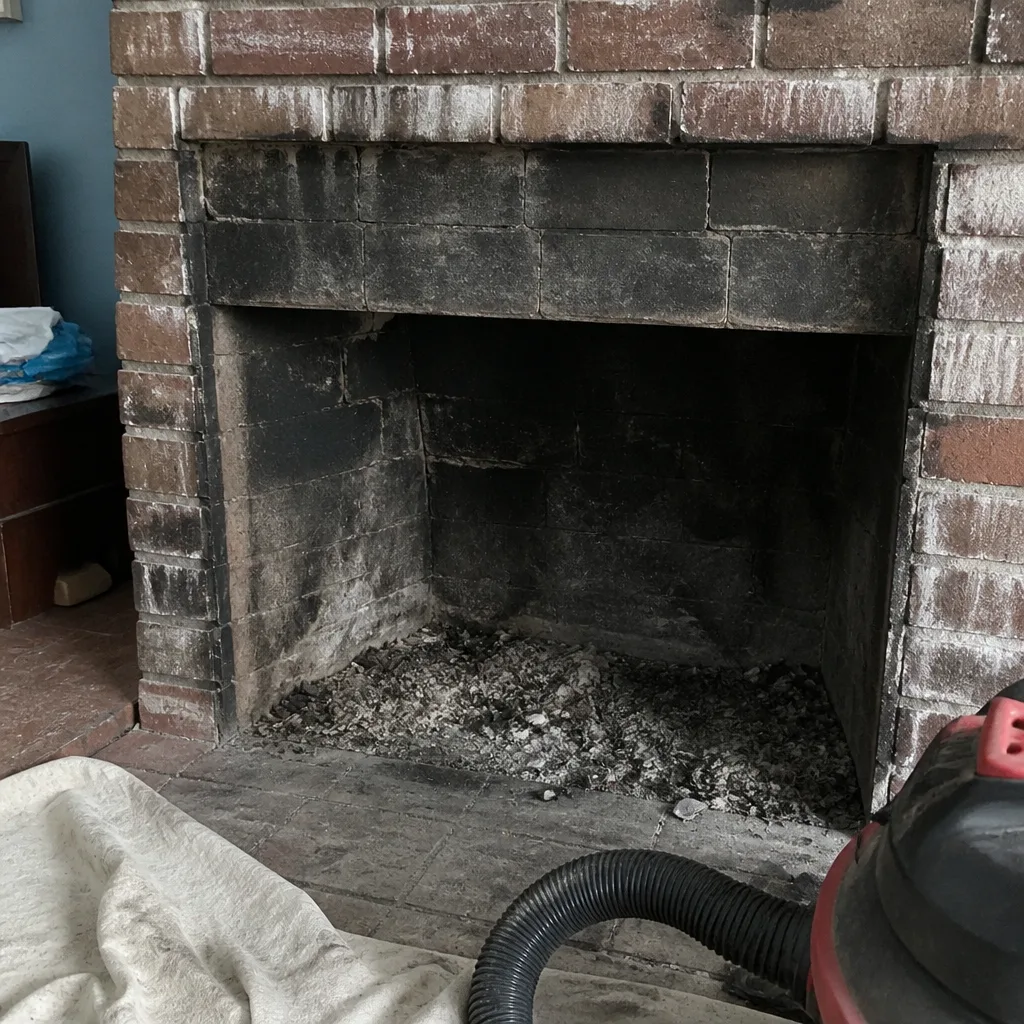 Before
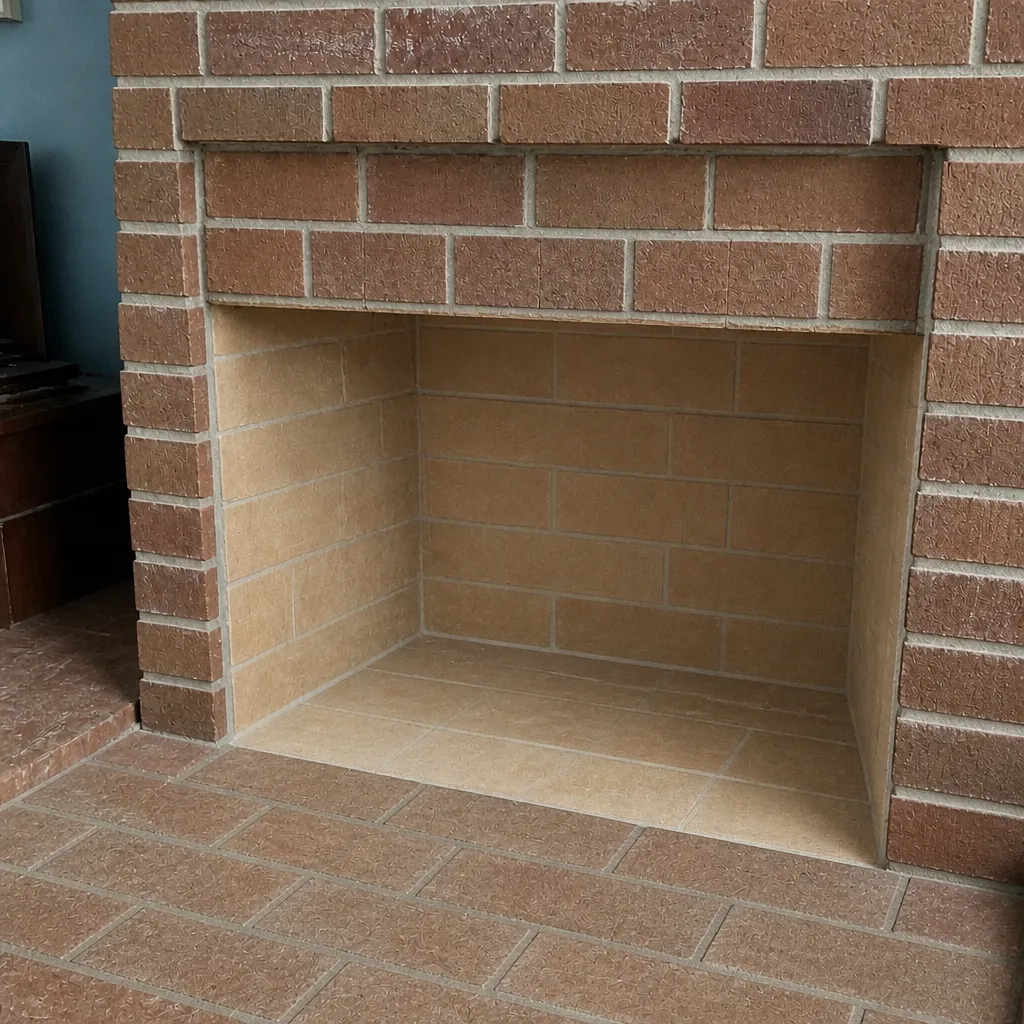 After
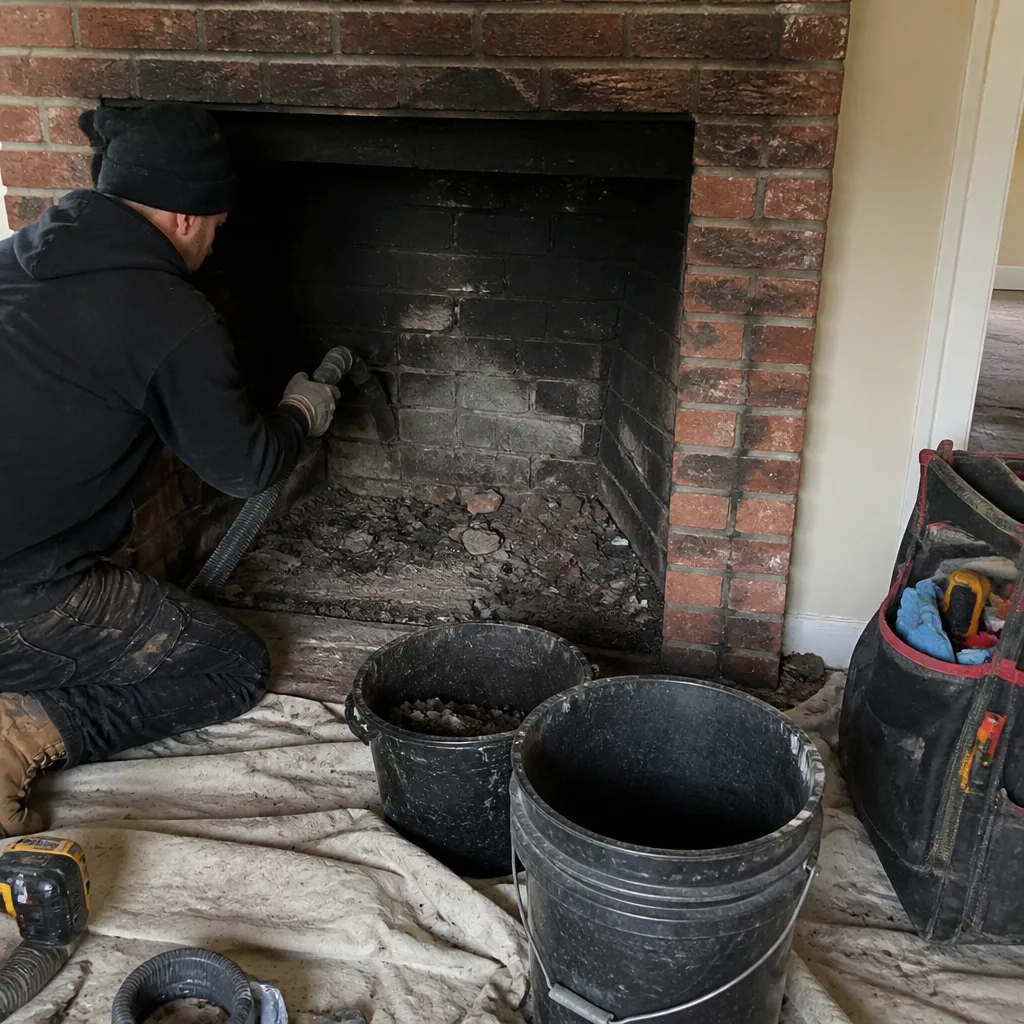 Before
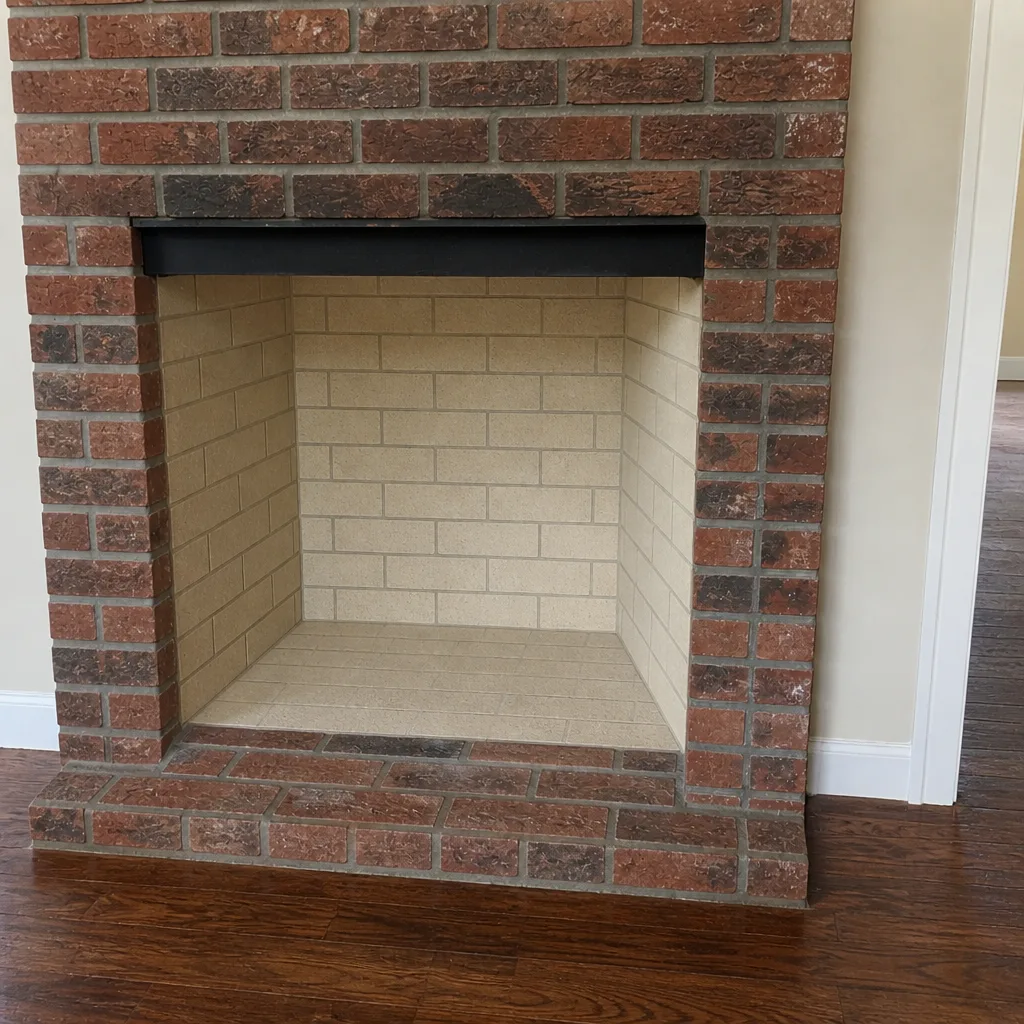 After
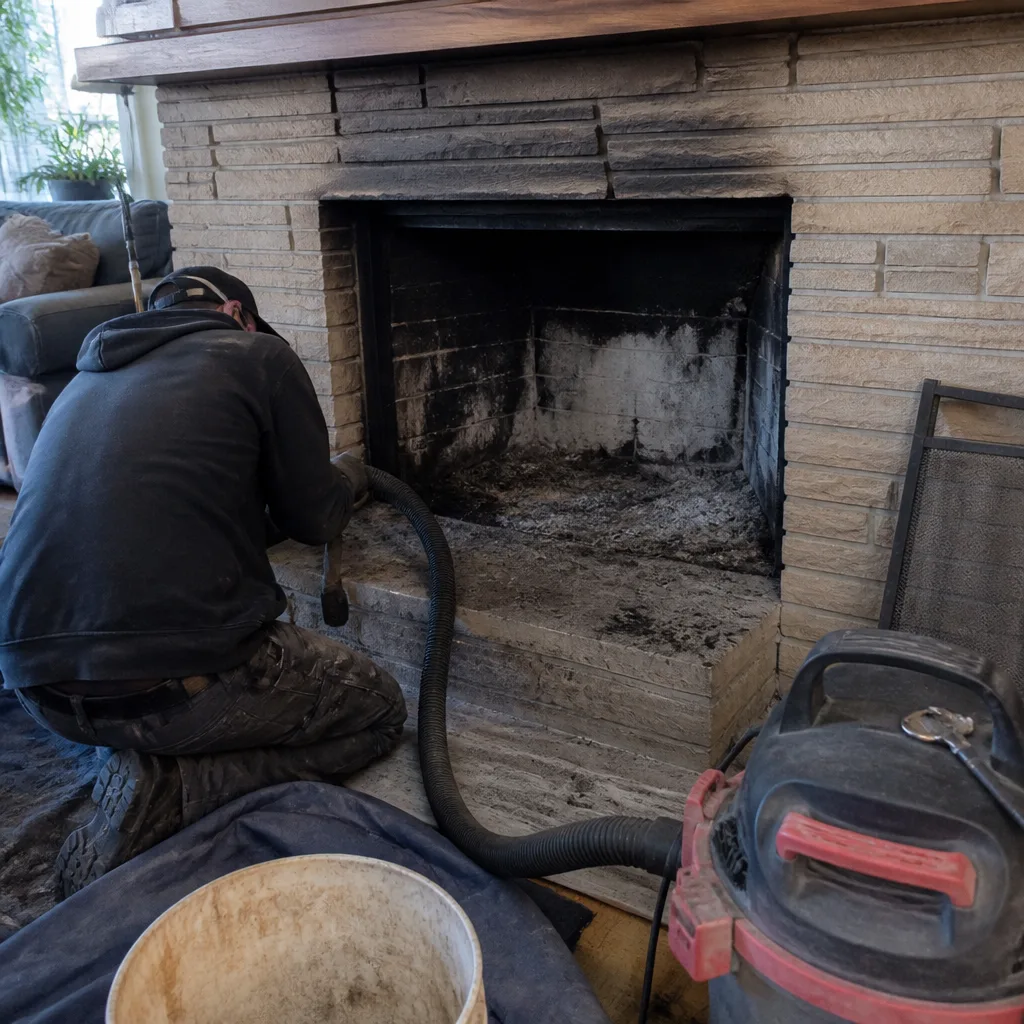 Before
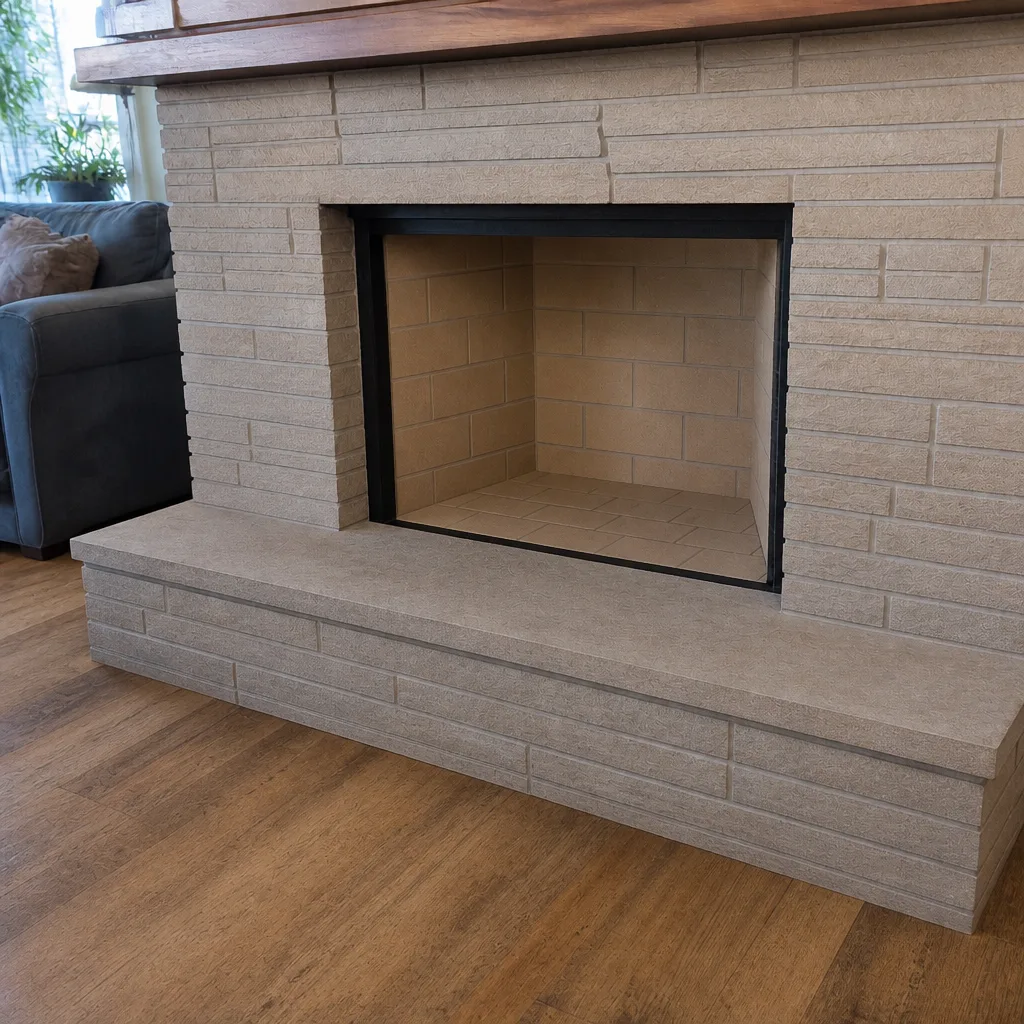 After
When to Call a Professional
Call a chimney professional if any of these apply: you’ve seen black sooting on the exterior, you’ve had smoke rollback into the room, your CO detector has alarmed near the fireplace, you’ve noticed a growing water stain near the chase, you’re smelling a persistent creosote odor, or you can’t remember the last time the system was swept. Also call if you just bought a Tacoma home and don’t have records of a chimney inspection, since the previous owner’s maintenance history is unknown. If a repair turns out to be needed, ask for camera footage so you can see the flue before deciding. Our technicians have up to 14 years of experience and carry the full cycle of service: inspection, cleaning, cap and crown, liner work, and fireplace repair. An estimate is free, and the written estimate sets the final price.
Frequently Asked Questions
A wood-burning chimney should be swept at least once a year, and more often if you burn frequently or notice creosote buildup. The annual sweep is the baseline; the inspection that comes with it is what catches the structural problems before they grow. If you’ve moved into a Tacoma home without a service record, treat the first year as a full inspection year. Call (833) 513-8117 for an exact quote on a sweep and inspection.
No. A faint smoky smell on a windy day can be a temporary downdraft, but a smell that returns or persists with no fire lit is almost always creosote buildup or a venting problem. If you can’t tell which category you’re in, that alone justifies an inspection. Call (833) 513-8117 to book one; estimates are free.
Yes, white efflorescence by itself is a water intrusion signal, not a stop-use signal. It means the crown, flashing, or cap is letting water in and should be inspected, but the flue isn’t compromised by the staining alone. Don’t ignore it, though; masonry damage compounds. Call (833) 513-8117 to schedule an inspection of the crown and flashing.
A sweep is the physical cleaning of the flue and firebox. An inspection is the assessment of the whole system, from firebox to crown, including the flue interior and the cap. They’re usually done together on a routine visit because the camera inspection is most useful on a clean flue. Tacoma Chimney Sweep provides both under one roof, along with cap and crown work, liner repair, and structural repair. Call (833) 513-8117 for an estimate.
Yes. Gas inserts have their own warning signs, and carbon monoxide safety makes the annual inspection just as important as it is for a wood system. Soot on the logs, glass fogging that won’t clear, or a sulfur smell all deserve a look. Call (833) 513-8117 to schedule a gas insert inspection.
Sometimes nothing. Often, small problems get a full season to grow: a minor crown crack becomes a water intrusion, a thin creosote layer becomes glazed, and a slow liner failure becomes a soot streak on the exterior. Skipping a year doesn’t cause damage by itself, but it means the next inspection is more likely to find a repair rather than a cleaning. Call (833) 513-8117 before the burning season; estimates are free.
The Bottom Line
Your chimney gives you a specific set of clues before anything fails. A smoky smell, white staining, black streaks, brown ceiling stains, and sluggish fires are all diagnostic, not cosmetic, and each one points to a particular part of the system. Learn to read them early and you can book a chimney sweep or inspection on your terms rather than dealing with an emergency. When in doubt, get the camera report and see the flue for yourself. From the firebox to the crown, the whole system is what we look at.
Tacoma Chimney Sweep is a chimney-only specialist, and we work with professional-grade materials from HeatShield, Gelco, Olympia Chimney, and Famco for liner resurfacing, venting, and structural repair. If you’re seeing any of the warning signs in this guide, don’t wait for the next burning season. Call (833) 513-8117 for a free estimate. We answer 24/7. Fast dispatch from 7am to 7pm, Sunday through Friday. A call outside dispatch hours is booked into the next opening.
Written by the team at Tacoma Chimney Sweep.